Across Centuries and Stanzas: The Shared Soul of Poetry
Poetry, Indian literature motifs, Sangam literature, Sanskrit poetry, Prakrit poetry, Gathasaptasati, Hala Satavahana, Kalidasa Meghaduta, Jayadeva Gita Govinda, Indian classical poetry, bee motif in poetry, nayika bheda, abhisarika nayika, Indian aesthetics, shringara rasa, dhvani theory, Hindi doha, Bihari Lal poetry, Tamil Sangam poetry, Bhakti poetry, Indian literary traditions, Sanskrit and Tamil literature, classical Indian literature, Indian poetic motifs, ancient Indian poetry, Prakrit literature, Sanskrit classics, Subramania Bharati, Indian cultural unity, Hindustani classical music lyrics, Girija Devi, Indian linguistic heritage, Aryan Dravidian debate, Vedic and non Vedic traditions, Indian philosophy and literature, Indian civilization studies, traditional Indian music, classical Indian aesthetics, rasa theory, Indian love poetry, comparative Indian literature, medieval Indian poetry, Sanskrit drama, Indian literary history, Indian languages and culture, poetic symbolism in India, literary continuity in India, Indian heritage and literature, cultural unity in diversity, Indian poetic imagery, classical music compositions, Sanskrit Prakrit connections, Tamil and Sanskrit traditions, Indian literary criticism, ancient to modern Indian poetry, Indian art and culture, traditional Indian motifs, Indian devotional poetry, romantic imagery in Indian literature

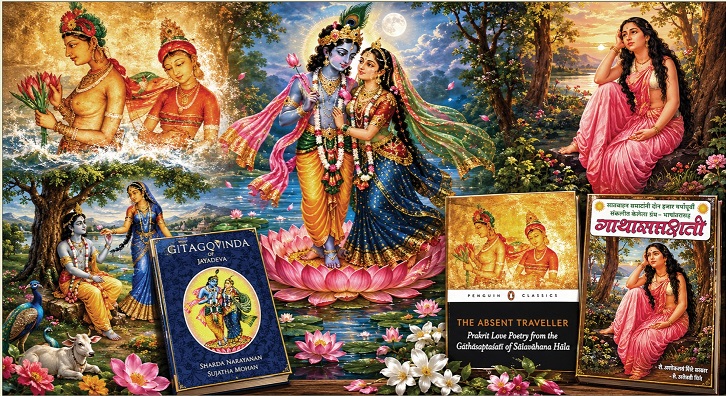
Lucknow: There are several motifs that are common to literature of all languages in India, through all the epochs, that are used to signify the same sentiments, from Sangam age in Tamil literature to modern Tamil poetry, from ancient Prakrit poetry to Sanskrit classical poetry. One such motif is the bee that is often addressed by the pining nāyikā (or sometimes the nāyaka) to express one’s longing, almost as if in the hope that the bee, which is free to soar to any place, would convey the message to the…

Read More

Book Fair in Lucknow Witnesses Book Launches Amidst Poetry and Honor

Lucknow Book Fair, Ravindralay Charbagh, book lovers, Indian art, sculpture, painting, architecture, dance, music, temples, palaces, symbolism, diversity, free entry, book discounts, Indian Art Publications, Indian aesthetics, Rajasthani miniatures, Harappan art, ancient inscriptions, Basohli paintings, Shubhi Publications, Indian Theatre Traditions, Vanishing Temple Art, classical dance forms, Kathak, Odissi, Bharatanatyam, Jai Book stall, Yankel Ginzburg, Angel Book stall, Rajkamal Publications, yoga, naturopathy, Reiki healing, Dr. Kamal Kishore, energy healing, book launch, Dr. Premswaroop Srivastava, Stairs to Heaven, Shivpal Sanwaria, environmental awareness, Prithvi Innovation, poetry collection, Kamlesh Tripathi, Rhythm in Poems, Pranita Lele, Tiny Twisted Yarns and Verse, Jyotsna Kaur Habibullah, Farida Jalees, Ranu Uniyal, Anand Vardhan Singh, literary figures, Ghazal recital, Sahityakar Sansad, Naman Publications, poetry session, Ramprakash Bekhud, Shobha Dixit Bhavana, Muneer Nazar, Abhishek Sahaj, Dr. Suresh, Munendra, Revant, organ donation, PGI, State Organ and Tissue Transplant Organization, health camp, literature, cultural activities, social awareness.

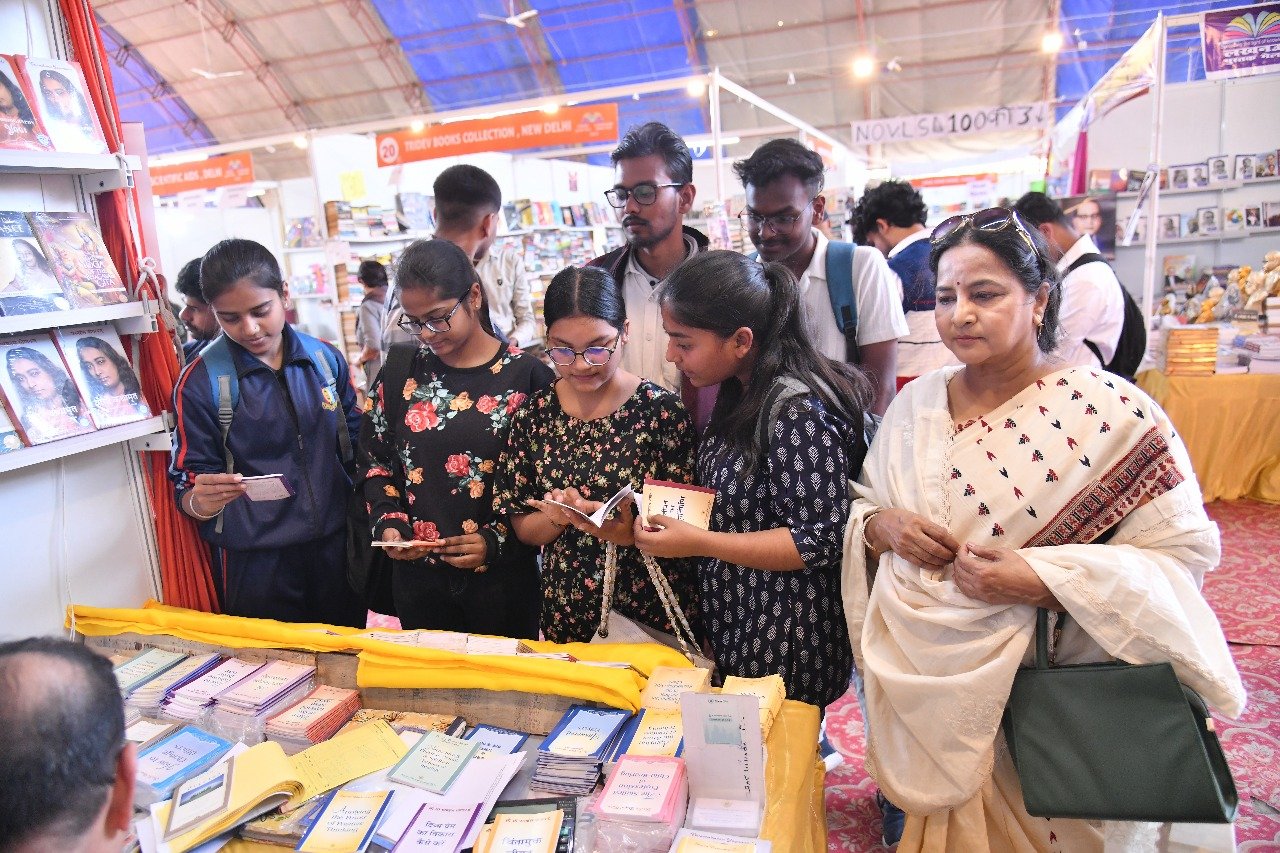
Lucknow: The Lucknow Book Fair, which commenced on March 1 at Ravindralay, Charbagh, is approaching its conclusion. As the fair nears its end, it has witnessed a massive turnout of school and college students, along with avid book lovers. The fair is set to conclude on Sunday. Indian art has always placed significant emphasis on both external beauty and internal aesthetics. Festivals and celebrations hold a special place in the country’s traditions, alongside the rich legacy of sculpture, painting, architecture, dance, and music. This heritage extends to the construction of…

Read More