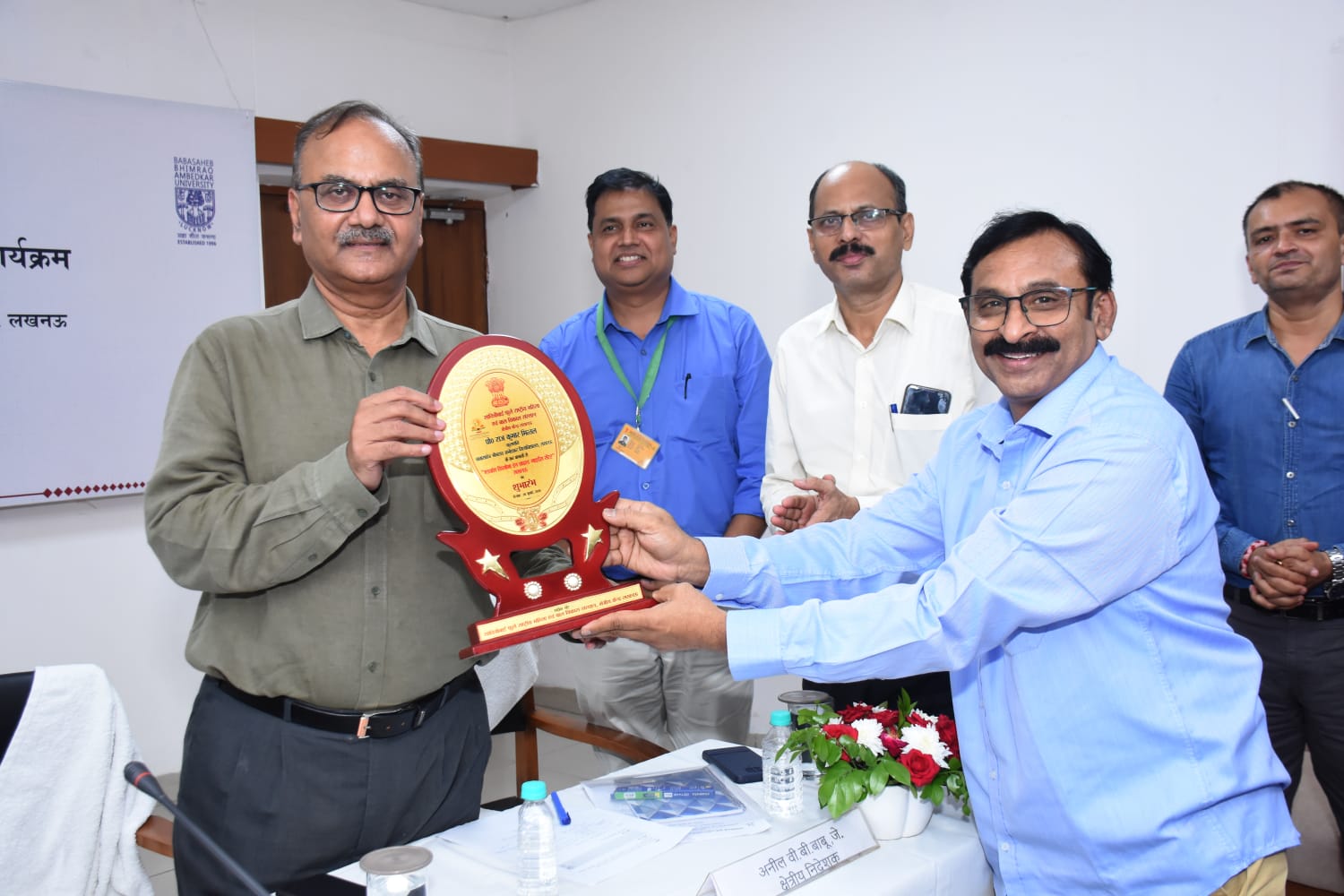
Lucknow: Babasaheb Bhimrao Ambedkar University (BBAU), Lucknow, in collaboration with the Savitribai Phule National Institute of Women and Child Development (SPNIWCD), Regional Centre, Lucknow, inaugurated the Advanced Diploma in Child Guidance and Counselling (ADCGC) on July 28. The programme aims to develop skilled professionals in the fields of child and adolescent mental health, psychosocial development, and counselling services. The inaugural session was presided over by the Vice-Chancellor of the University, Prof. Raj Kumar Mittal. Dr. P. K. Srivastava, Medical Superintendent, Balrampur Hospital, attended as the Chief Speaker. Also present on the occasion were Prof. S. Victor Babu, Dean of Academic Affairs, Prof. U. V. Kiran, Dean, School of Home Sciences, Prof. Shalini Agrawal, Head of the Department of Human Development and Family Studies and Nodal Officer of the programme and Dr. Anil V. B. Babu, Director, SPNIWCD, Regional Centre, Lucknow.
Addressing the gathering, Vice-Chancellor Prof. Raj Kumar Mittal stated that children and adolescents today are increasingly facing mental health issues, stress, behavioural challenges, emotional instability, and growing social pressures. He observed that changing lifestyles, the expanding influence of digital technology, academic competition, and evolving family and social environments have significantly impacted the holistic development of children. In such a scenario, the need for trained child guidance and counselling professionals has become more critical than ever, as they can understand children’s psychological and emotional needs and provide timely guidance and counselling. He emphasised that the mental and emotional well-being of children forms the foundation of a strong society and a developed nation. Achieving this objective requires the collective efforts of educational institutions, healthcare services, parents, and society at large. Prof. Mittal further remarked that the Advanced Diploma programme introduced by BBAU would create new opportunities for professionals working in the fields of education, healthcare, psychology, and child protection.
Prof. S. Victor Babu, Dean of Academic Affairs, highlighted that a coordinated approach integrating education, psychology, healthcare, and social work is essential for the holistic development of children. Appreciating this collaborative initiative, he expressed confidence that the programme would make a significant contribution towards strengthening quality child counselling services in the country.
Delivering the keynote address, Dr. P. K. Srivastava, Medical Superintendent, Balrampur Hospital, Lucknow, stated that India requires a large number of trained counsellors to strengthen child and adolescent mental health services. Stressing the importance of coordinated efforts between healthcare and educational institutions, he said that timely counselling and psychosocial support are the foundation of a brighter future for children.
Dr. Anil V. B. Babu, Director, Savitribai Phule National Institute of Women and Child Development, Regional Centre, Lucknow, described the diploma programme as a significant initiative towards strengthening child mental health, child protection, and family counselling services. He noted that the programme would prepare trained professionals capable of providing effective services in schools, hospitals, rehabilitation centres, child protection institutions, and community organisations.
Prof. U. V. Kiran, Dean of the School of Home Sciences, highlighted the increasing psychological and behavioural challenges faced by children and adolescents. She emphasised that early identification, scientific counselling, and family-based interventions are essential for ensuring the healthy and balanced development of children.
Presenting the course framework, Prof. Shalini Agrawal, Head, Department of Human Development and Family Studies and Nodal Officer of the programme, explained that the curriculum combines theoretical learning with practical training, supervised fieldwork, case studies, and internships, enabling students to gain hands-on experience in real-life situations.
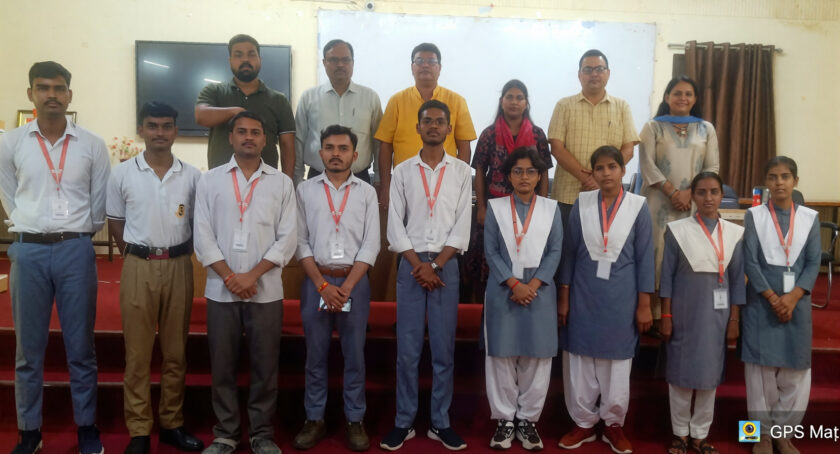
The programme witnessed the enthusiastic participation of senior faculty members, medical professionals, experts, research scholars, and students from the University and the collaborating institute.
---------------------------------------------------------------------------------------------------