Cairo: Egypt is where history comes alive on a monumental scale. Home to one of the world’s oldest civilizations, this remarkable nation offers an unparalleled journey through more than 5,000 years of human achievement. Towering pyramids, magnificent temples, royal tombs and the life-giving Nile River have shaped Egypt’s identity for millennia, earning it a place among the world’s most extraordinary travel destinations.
Stretching from the Mediterranean coast to the deserts of the south, Egypt combines awe-inspiring archaeological treasures with bustling cities, vibrant markets, pristine Red Sea beaches and a rich culinary heritage. Whether exploring the grandeur of ancient pharaohs or experiencing contemporary Egyptian culture, visitors discover a destination where every landscape tells a timeless story.

Best Time to Visit
The most comfortable period to explore Egypt is between October and April, when daytime temperatures range between 20°C and 28°C across Cairo and the Nile Valley. Cooler evenings make sightseeing particularly enjoyable, while pleasant weather enhances Nile cruises and archaeological excursions. The peak tourist season falls between December and February, when popular attractions are busiest. Summer months can be extremely hot, especially in Luxor and Aswan, where temperatures frequently exceed 40°C, although Red Sea resorts remain popular throughout the year.
Gateway to Ancient Civilisation
Most international travellers begin their Egyptian adventure in Cairo, the nation’s vibrant capital and one of Africa’s largest cities. Modern highways, domestic flights and river cruises connect Cairo with the country’s principal historical destinations, making it convenient to explore Egypt from north to south.
Cairo and the Great Pyramids
No visit to Egypt is complete without standing before the legendary Pyramids of Giza, the only surviving Wonder of the Ancient World. The Great Pyramid of Khufu, built more than 4,500 years ago, continues to astonish visitors with its immense scale and extraordinary engineering. Nearby, the enigmatic Great Sphinx silently guards the plateau, remaining one of the world’s most recognisable monuments.
A short drive away lies Saqqara, home to the Step Pyramid of Djoser, widely regarded as the world’s first monumental stone structure and a milestone in architectural history.
Adding a modern dimension to Egypt’s ancient heritage is the spectacular Grand Egyptian Museum, located near the Giza Plateau. Housing more than 100,000 artefacts, including the complete treasures of Tutankhamun, it provides one of the most comprehensive collections of ancient Egyptian civilisation ever assembled.
Within Cairo itself, Islamic Cairo reveals centuries of architectural splendour through magnificent mosques, medieval streets and the bustling Khan el-Khalili Bazaar, where visitors browse handcrafted jewellery, spices, perfumes and traditional souvenirs. Equally fascinating are Coptic Cairo and the historic churches that preserve Egypt’s early Christian heritage.
A dinner cruise along the Nile offers panoramic views of Cairo’s illuminated skyline while showcasing traditional music and folklore performances.
Luxor: The World’s Greatest Open-Air Museum
Often described as the world’s greatest open-air museum, Luxor showcases the splendour of ancient Egypt’s New Kingdom.
The magnificent Karnak Temple Complex impresses visitors with colossal columns, towering obelisks and vast ceremonial halls dedicated to the god Amun. Nearby, Luxor Temple, beautifully illuminated after sunset, offers a remarkable glimpse into ancient religious life.
Across the Nile lies the legendary Valley of the Kings, where generations of pharaohs, including the famous Tutankhamun, were buried in richly decorated tombs hidden beneath desert cliffs. The spectacular Temple of Hatshepsut, dramatically built into towering limestone cliffs, stands as one of Egypt’s greatest architectural masterpieces, while the Colossi of Memnon continue to watch over the ancient necropolis.
Cruising the Eternal Nile
A Nile cruise between Luxor and Aswan remains one of the world’s classic travel experiences. Sailing leisurely through the fertile Nile Valley allows visitors to witness timeless villages, palm groves and riverside landscapes much as travellers did centuries ago.
Along the journey, the beautifully preserved Temple of Edfu, dedicated to Horus, and the unique Kom Ombo Temple, shared by the gods Sobek and Horus, reveal the remarkable artistry of ancient Egyptian civilisation.
Aswan and Abu Simbel
Further south, Aswan offers a tranquil atmosphere where traditional feluccas glide gracefully across the Nile. The elegant Philae Temple, dedicated to the goddess Isis, was painstakingly relocated to protect it from rising waters after the construction of the Aswan High Dam.


Nearby Nubian villages introduce visitors to one of Egypt’s oldest living cultures through colourful homes, music and traditional hospitality.
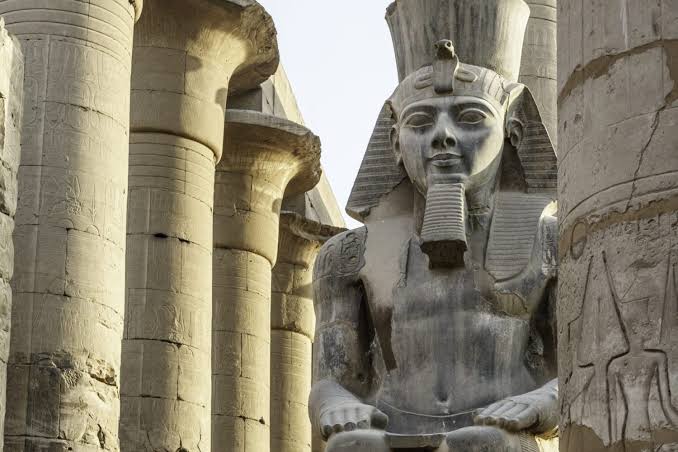
One of Egypt’s most unforgettable excursions is the journey to Abu Simbel, where the monumental rock-cut temples of Ramses II stand as masterpieces of engineering and artistic achievement. Their precise solar alignment continues to fascinate archaeologists and travellers alike.
The Red Sea Escape
Beyond its archaeological wonders, Egypt boasts some of the world’s finest marine destinations. Resorts such as Hurghada and Sharm El Sheikh attract visitors with crystal-clear waters, vibrant coral reefs and exceptional diving and snorkelling opportunities. Those seeking a more relaxed extension may also explore Alexandria, where Mediterranean charm meets Greco-Roman heritage.
A Culinary Journey Along the Nile
Egyptian cuisine reflects thousands of years of tradition. The national favourite, koshari, combines rice, lentils, pasta, tomato sauce and crispy onions into a hearty meal. Other staples include ful medames, ta’ameya (Egyptian falafel), grilled Nile fish, molokhia, stuffed vegetables and freshly baked bread.
Street food enthusiasts can savour hawawshi, flaky fiteer pastries and refreshing sugarcane juice, while rooftop restaurants overlooking the Nile provide memorable dining experiences accompanied by panoramic city views.
Travel Essentials
Most visitors can obtain an e-visa or visa on arrival before exploring Egypt. Domestic flights offer the fastest connections between Cairo, Luxor and Aswan, while guided tours significantly enrich visits to archaeological sites by providing historical context.
Comfortable walking shoes, lightweight clothing, sunscreen, hats and reusable water bottles are essential for exploring monuments under the Egyptian sun. Modest attire is recommended when visiting religious sites, and bottled drinking water should be used throughout the journey.
Accommodation ranges from luxury hotels overlooking the Nile and boutique heritage properties to comfortable river cruise vessels and budget-friendly guesthouses, making Egypt accessible to travellers with varying budgets.
Suggested Seven to Ten-Day Itinerary
Days 1–3: Cairo, the Pyramids of Giza, Saqqara, the Grand Egyptian Museum, Islamic Cairo and a Nile dinner cruise.
Days 4–7: Fly to Luxor, explore Karnak Temple, Luxor Temple, the Valley of the Kings and begin a Nile cruise visiting Edfu, Kom Ombo and Aswan.
Days 8–10: Discover Philae Temple, Abu Simbel and Nubian villages before extending the journey to the Red Sea resorts or the Mediterranean city of Alexandria.
A Journey Through the Ages
Egypt offers far more than ancient monuments. It presents an immersive journey into one of humanity’s greatest civilisations, where every temple, tomb and riverside village reveals another chapter of an extraordinary past. From witnessing sunrise over the Pyramids of Giza and sailing peacefully along the Nile to exploring vibrant bazaars and diving among colourful coral reefs, Egypt delivers experiences that remain etched in memory long after the journey ends.
For travellers seeking history, culture, adventure and timeless beauty, Egypt remains one of the world’s most captivating destinations—a land where the legacy of the pharaohs continues to inspire generations.












 https://www.youtube.com/watch?si=RtToJsBhYBatUrym&v=mOuYNSdhjHA&feature=youtu.be