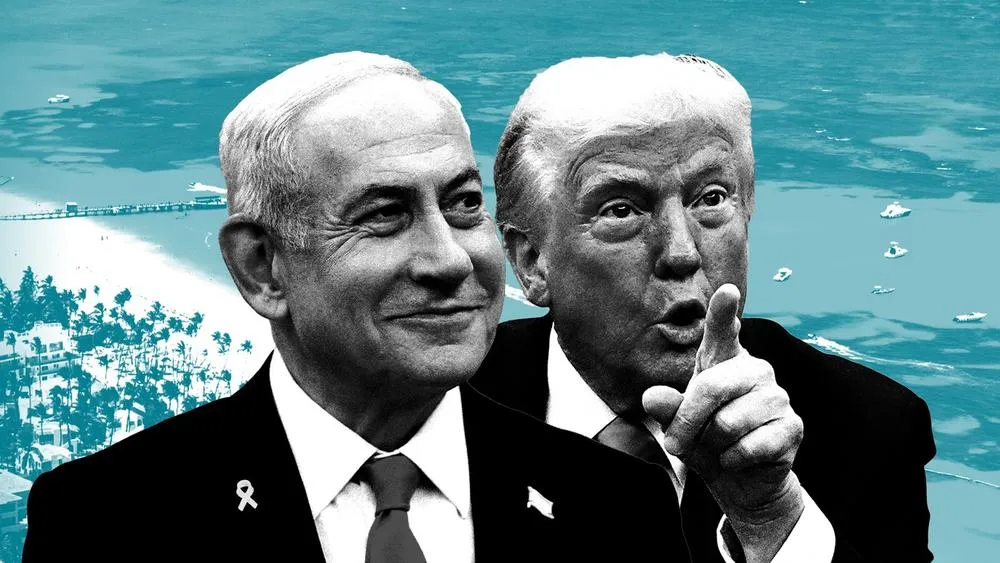
Washington/Tel Aviv: Israeli Prime Minister Benjamin Netanyahu reportedly put plans for a major military operation in Beirut on hold following direct intervention from U.S. President Donald Trump, highlighting Washington’s growing efforts to prevent a wider conflict in the Middle East.
The development surfaced on Monday after Trump publicly stated that he had urged the Israeli leader to avoid launching a large-scale strike on the Lebanese capital. According to the U.S. president, Israel subsequently adjusted its military plans and stepped back from a potentially significant escalation.

Diplomatic Push Amid Rising Regional Tensions
The reported conversation came at a particularly sensitive time for the region. Growing military activity along the Israel-Lebanon border, coupled with concerns over Iran’s role in the conflict, has raised fears of a broader confrontation that could destabilize the Middle East.
In recent days, reports suggested that Iran was reassessing ongoing diplomatic engagement with Washington in response to Israeli military operations in Lebanon. Analysts warned that further escalation could complicate already fragile diplomatic efforts and increase tensions across the region.
Prior to the reported intervention, Netanyahu had reiterated Israel’s position that military action would continue against what it describes as Hezbollah-linked infrastructure if attacks on Israeli territory persisted.
Trump Claims Role in Defusing Immediate Crisis
Speaking publicly after the reported exchange, Trump said he personally appealed to Netanyahu to refrain from carrying out a major operation in Beirut. He also claimed to have communicated with individuals linked to Hezbollah leadership, encouraging restraint on both sides.
According to Trump, both parties indicated a willingness to temporarily halt attacks, creating space for de-escalation. While there has been no independent confirmation of any formal arrangement, the remarks reflected ongoing diplomatic efforts to prevent hostilities from spiraling further.
The U.S. president expressed hope that the pause could evolve into a longer-term reduction in violence, although the situation on the ground remains fluid.
Reports Suggest Tense Conversation
Media reports in the United States indicated that the conversation between Trump and Netanyahu may have been unusually direct. According to accounts citing unnamed officials, Trump strongly pressed the Israeli leader to reconsider any large-scale military action that could trigger wider regional consequences.

While neither the White House nor the Israeli government officially commented on the specifics of the discussion, reports of a tense exchange quickly attracted attention among diplomats and foreign policy observers.
The episode underscores the delicate balance Washington faces as it seeks to support Israel’s security interests while simultaneously preventing a broader regional conflict that could draw in multiple actors.
Iran Talks Remain Uncertain
Trump also addressed speculation surrounding negotiations with Iran, stating that the United States had not received any formal indication that diplomatic talks had been suspended.
While acknowledging ongoing uncertainty, he emphasized the importance of keeping diplomatic channels open and suggested that setbacks in negotiations would not automatically lead to a wider military response from Washington.
His comments come as policymakers continue assessing the consequences of recent military exchanges and their impact on regional stability.
Fragile Ceasefire Under Pressure
The latest developments unfold against the backdrop of a ceasefire that remains under significant strain. Recent military exchanges involving Israeli, Iranian and allied forces have heightened concerns that the current pause in hostilities could unravel if tensions continue to rise.
Reports indicate that Israeli operations in Lebanon have continued in various forms, reflecting the volatile security environment despite ongoing diplomatic efforts.
For now, international attention remains focused on whether diplomacy can prevent another escalation. With multiple regional flashpoints active simultaneously, leaders across the Middle East and beyond face mounting pressure to preserve stability and avoid a conflict that could have far-reaching consequences.