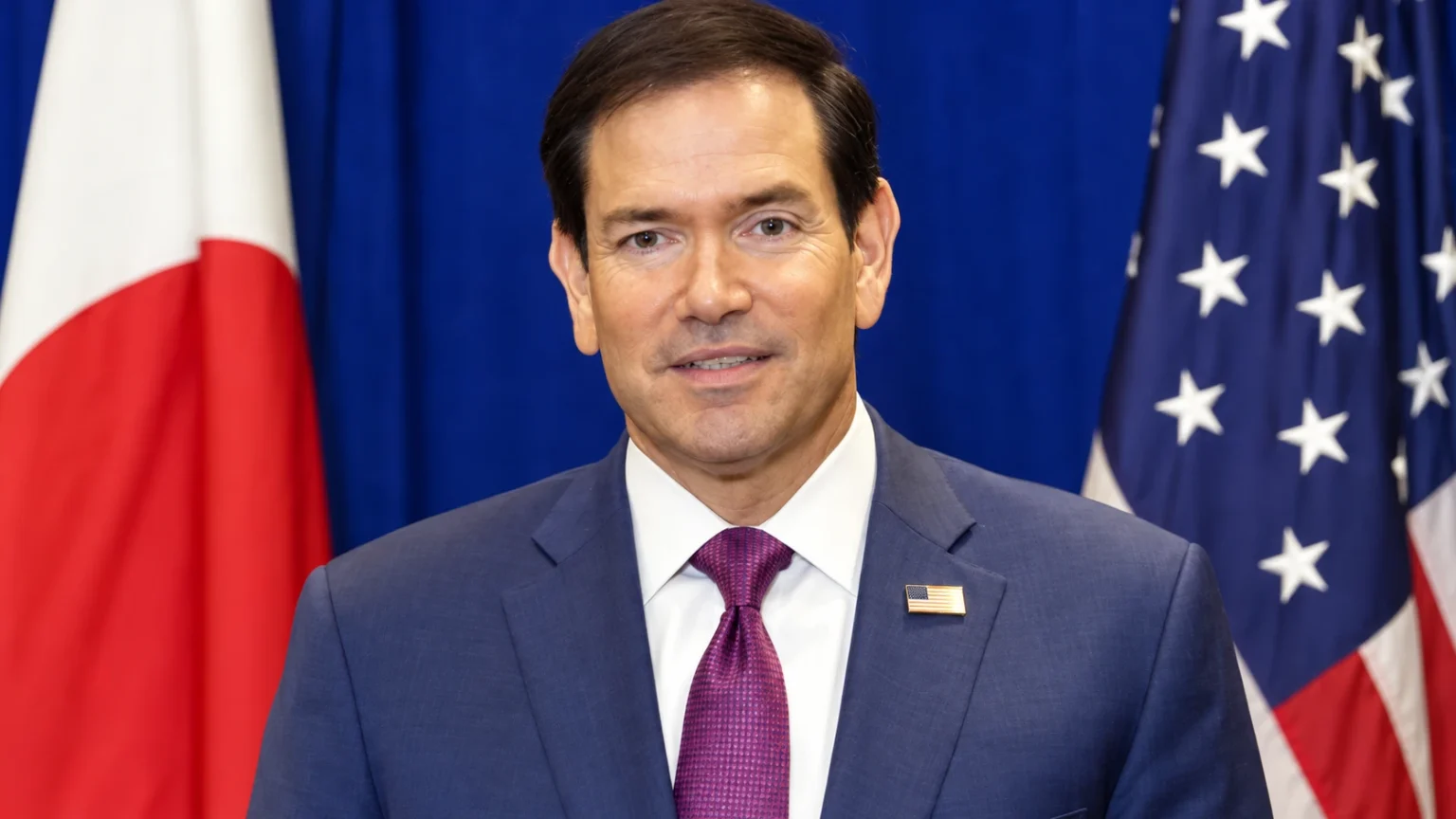
WASHINGTON: US Secretary of State Marco Rubio has defended President Donald Trump’s decision to engage directly with Chinese President Xi Jinping, saying sustained communication between Washington and Beijing remains important despite disagreements over trade, technology, critical minerals, supply chains and security.
Rubio made the remarks during the United Nations General Assembly in New York as preparations continued for Xi’s September 23–25 visit to the United States. The visit marks another high-level meeting between the two leaders as both governments seek to manage differences while keeping economic and diplomatic channels open.

Rubio stressed that dialogue should not be interpreted as an indication that the two countries have resolved their disputes. He pointed to the history of US-Soviet communication during the Cold War as an example of rival powers maintaining diplomatic contact even amid serious disagreements.
The secretary of state said the size of the US and Chinese economies, their military capabilities and the range of issues connecting the two countries make direct communication particularly significant.
Trade and economic matters are expected to remain central to the discussions. US Treasury Secretary Scott Bessent has been engaged in talks with Chinese officials, while Washington and Beijing have also been working on arrangements concerning tariffs and the broader trade relationship. Reuters reported that the two sides were discussing an extension of their existing trade truce ahead of Xi’s visit.
Supply-chain security is another major concern for Washington. Rubio said the United States is seeking to diversify sources of critical materials and other strategic goods while working with allies such as Japan and South Korea. The three countries have also strengthened consultations on economic security and technology cooperation.


The talks could also touch on wider international issues, including the conflicts involving Iran and Ukraine, although Rubio declined to provide a detailed agenda. He said sensitive diplomatic discussions were often more productive when negotiators were allowed to engage privately rather than publicly outlining every issue in advance.
US-China discussions are taking place against a backdrop of continuing strategic competition. Washington has simultaneously been reassuring Japan, South Korea and Taiwan about its security commitments, underscoring that engagement with Beijing has not ended disagreements over regional security.
The two governments are also expected to have further opportunities for high-level engagement later in the year, including around the Asia-Pacific Economic Cooperation forum and the G20 summit.
Rubio said Washington routinely raises cases involving Americans detained overseas with foreign governments, although he did not identify a specific case that Trump might raise with Xi.
The latest diplomatic engagement highlights the complexity of the US-China relationship, where economic interdependence continues alongside disputes over trade, technology, strategic supply chains and security. The outcome of the leaders’ discussions could influence relations between the world’s two largest economies as both sides seek to manage competition while keeping diplomatic channels open.












 https://www.youtube.com/watch?si=RtToJsBhYBatUrym&v=mOuYNSdhjHA&feature=youtu.be