Khartoum: Sudan is confronting a deepening public health crisis as multiple disease outbreaks spread across regions already devastated by conflict, displacement and damaged healthcare systems. Humanitarian agencies and United Nations officials warn that ongoing violence is severely hampering emergency response efforts, leaving millions at growing risk.

According to the United Nations Office for the Coordination of Humanitarian Affairs, health teams in West Kordofan state are responding to a suspected outbreak of acute watery diarrhea, commonly associated with cholera. More than 100 suspected infections have reportedly been recorded in the El Nuhud area within a single week, alongside dozens of related deaths.
The World Health Organization and its partner organizations are working with local authorities to expand emergency treatment services, improve disease surveillance and promote access to safe drinking water and sanitation. Aid workers say poor hygiene conditions and limited medical infrastructure are increasing the danger of wider transmission.
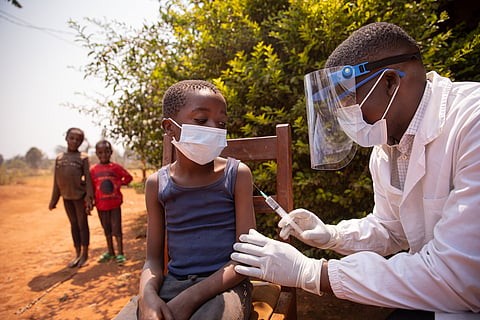
Meanwhile, suspected mpox cases have emerged in Central Darfur and South Darfur, where humanitarian agencies say more than 300 possible infections and several deaths have been identified in recent days. Vaccination campaigns targeting cholera and measles are also underway in vulnerable communities as health workers attempt to contain the outbreaks.
Overcrowded displacement camps, shortages of medical supplies and restricted humanitarian access continue to complicate disease control efforts across the Darfur region. Many communities remain cut off from regular healthcare due to insecurity and damaged roads.


Northern Sudan has also witnessed a surge in dengue fever cases. Officials in Northern and River Nile states reported that suspected infections have risen sharply over the past month, with cases in some areas more than tripling. Emergency mosquito-control operations and awareness campaigns are being launched to reduce transmission risks.
The worsening health situation comes amid continuing violence across several parts of the country. Humanitarian officials recently reported drone strikes near Dilling in South Kordofan that killed civilians and damaged a healthcare facility, destroying critical medical equipment and emergency supplies.
Aid organizations warn that repeated attacks on civilian infrastructure are undermining relief operations and putting healthcare workers at serious risk. Humanitarian agencies have repeatedly called for protected aid corridors and greater respect for international humanitarian law to ensure medical assistance can reach affected populations safely.
Despite difficult conditions, relief agencies say humanitarian support has reached more than 1.6 million people across Sudan during the first months of the year. However, the United Nations continues to warn that current funding and resources remain far below what is needed to address the scale of the crisis.
As conflict and disease outbreaks intensify simultaneously, international agencies fear Sudan’s humanitarian emergency could worsen further without urgent global support and sustained access for relief operations.












 https://www.youtube.com/watch?si=RtToJsBhYBatUrym&v=mOuYNSdhjHA&feature=youtu.be