Ten Distinguished Artists from Nine States to Create a Visual Narrative of Ayodhya’s Cultural Memory
Participating Artists to Become Ambassadors of Ayodhya’s Cultural Identity
“Colours of Ayodhya is the Beginning of a Major Cultural Movement in Awadh” — Manjula Jhunjhunwala
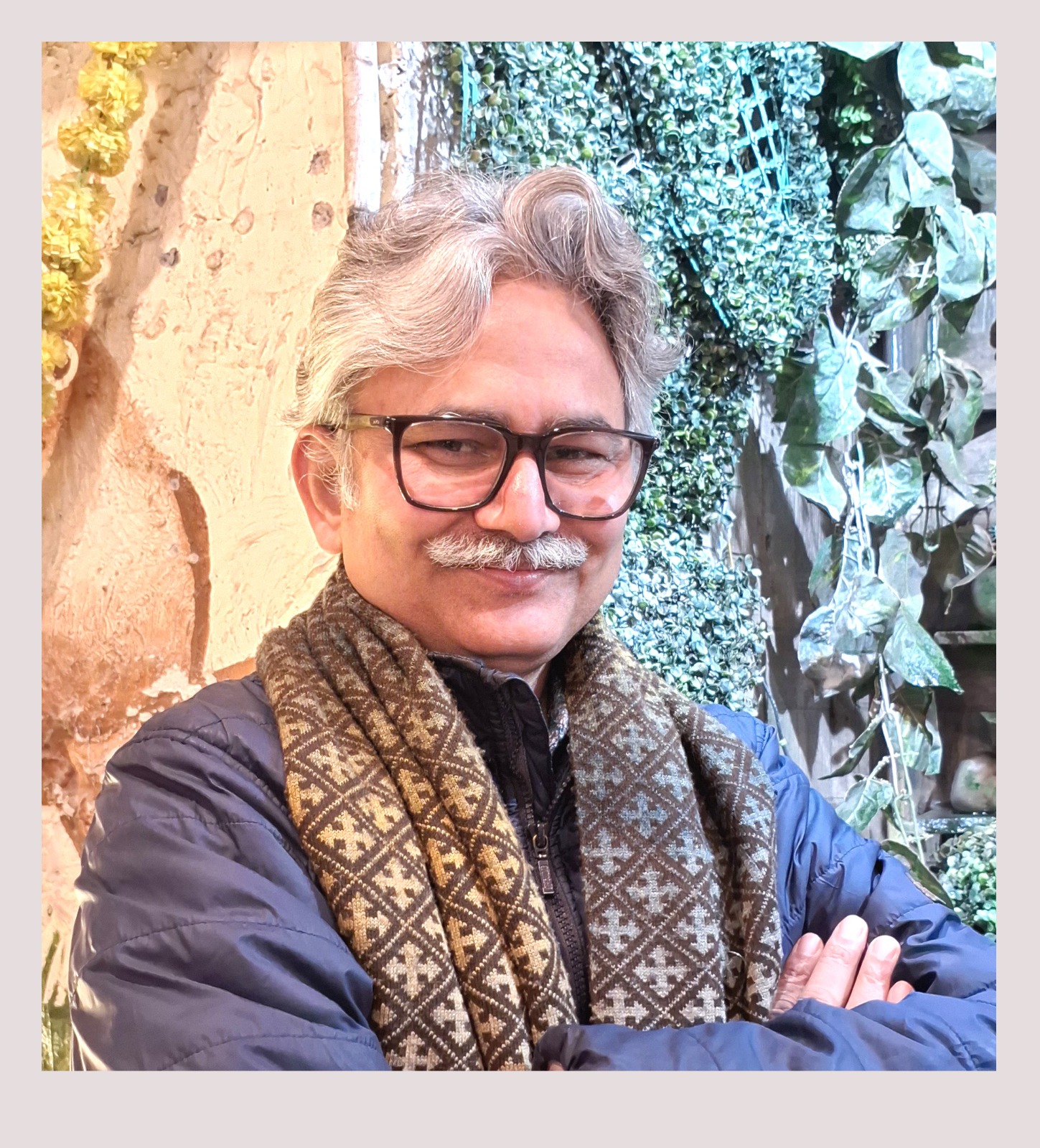
“Colours of Ayodhya Offers an Opportunity to Experience Ayodhya Through New Artistic Perspectives” — Dr. Awadhesh Misra
In the cultural history of India, certain cities transcend their geographical existence and emerge as living symbols of time, memory, and civilization. Ayodhya is one such city. Its identity extends far beyond that of a sacred pilgrimage destination; it is a repository of Indian culture, philosophy, literature, folk traditions, and human values that has shaped the collective consciousness of the nation for millennia. As Ayodhya undergoes a remarkable transformation through modern infrastructure, international-scale development projects, and growing global visibility, it stands at a significant moment in its history—one that offers an opportunity to present its rich cultural plurality and creative heritage within broader national and international contexts.
It is with this vision that Kala Dirgha, International Journal of Visual Arts and JBNS Society, Ayodhya, are jointly organizing the All India Artists’ Camp “Colours of Ayodhya” from 15 to 19 June 2026. Conceived as far more than an art camp, the initiative seeks to explore, interpret, and articulate the cultural spirit of Ayodhya through the language of contemporary Indian art.
For many years, cultural observers have felt that a city celebrated across the world for its spiritual and religious significance should also become a vibrant center for visual arts, performing arts, literature, and cultural dialogue. Just as Varanasi has become synonymous with music and culture, Jaipur with literature and the arts, Santiniketan with creative thought and education, and Kochi with contemporary artistic practice, Ayodhya too possesses the potential to evolve into a major center of cultural engagement. Colours of Ayodhya represents an important step in that direction.
According to the camp’s patron, Mrs. Manjula Jhunjhunwala, the current phase of Ayodhya’s renaissance should not be confined to physical and infrastructural development alone. “The true identity of a city,” she observes, “is shaped by the vitality of its cultural life. Ayodhya possesses immense cultural capital. What is needed today is to connect that heritage with contemporary forms of expression. Colours of Ayodhya is a meaningful initiative toward that goal. We wish to see Ayodhya occupy as prominent a place in the national discourse on art, literature, and culture as it does in the spiritual imagination of India.”
The cultural personality of Ayodhya is vast, layered, and multifaceted. Through the enduring narrative of the Ramayana, the city has become part not only of India’s cultural memory but also of the civilizational consciousness of many countries across Southeast Asia and beyond. Its traditions of Ramleela, folk music, oral storytelling, temple architecture, festivals, and community life stand as living expressions of India’s cultural continuity. It is a land where values such as dignity, compassion, justice, sacrifice, and public welfare have been woven into the social fabric over centuries.
From a literary perspective, Ayodhya has remained one of the most fertile sources of inspiration in the Indian imagination. From Maharishi Valmiki’s Ramayana to Goswami Tulsidas’s Ramcharitmanas, generations of poets, writers, and thinkers have drawn inspiration from the city’s cultural memory. Countless works in Hindi, Awadhi, Sanskrit, Urdu, and other Indian languages have reinterpreted Ayodhya’s symbolic and cultural significance in diverse ways. Even today, the city continues to inspire writers, scholars, artists, and researchers with the same intensity that it did centuries ago.


The cultural identity of the broader Awadh region has also been shaped by remarkable personalities whose contributions have enriched national life. In music, Begum Akhtar brought the refinement, sensitivity, and aesthetic elegance of Awadh to international recognition. In the same tradition, the legendary pakhawaj maestro Baba Pagaldas of Ayodhya occupies a place of great reverence. He revitalized and elevated the ancient tradition of pakhawaj performance, earning it renewed national recognition and respect. For him, music was not merely an art form but a path of spiritual discipline and self-realization. His extraordinary talent, ascetic lifestyle, and unwavering devotion to Indian classical music transformed him into a legendary figure within the cultural landscape of India.
In literature and poetry, luminaries such as Bashir Badr, Waseem Barelvi, and Kunwar Narayan gave new dimensions to the humanistic and cultural consciousness of the region. Their writings continue to resonate across generations and geographical boundaries. In the realm of social and political thought, Dr. Ram Manohar Lohia offered transformative perspectives on democracy, social justice, and equality, enriching the intellectual heritage of modern India. Together, these figures have ensured that Ayodhya and Awadh are understood not merely as geographical entities but as dynamic centers of creativity, thought, and cultural evolution.
According to the camp’s curator, Dr. Awadhesh Misra, “Colours of Ayodhya is, in essence, a bouquet woven from the diverse cultural fragrances of India. It will bring together artistic traditions from different regions of the country on a common platform. When artists from varied cultural backgrounds encounter Ayodhya through their own creative sensibilities, they reveal dimensions of the city that often remain unnoticed. Art enables us to see familiar realities through entirely new perspectives.”
The camp will bring together ten distinguished artists representing nine Indian states. Participants include Padma Shri Shyam Sharma from Bihar; Ramchandra Kharatmal and Douglas John from Maharashtra; Dr. Ram Viranjan from Haryana; Kanu Patel from Gujarat; Arpitha Reddy from Telangana; Trupti Joshi from Madhya Pradesh; Sukanta Das from West Bengal; Manash Ranjan Jena from Odisha; and Dr. Awadhesh Misra from Uttar Pradesh, who also serves as the camp’s curator.
Each participating artist brings a distinctive visual language and creative philosophy. Some draw inspiration from folk culture and community life; others explore spirituality, memory, and cultural symbolism; still others engage with the complexities of contemporary existence through innovative visual forms. The convergence of these diverse artistic perspectives will transform the camp into a celebration of India’s cultural plurality and creative vitality.
The organizers believe that one of the most enduring outcomes of the camp will be the role these artists play after returning to their respective regions. Through exhibitions, lectures, publications, and artistic engagements, they will carry the experience of Ayodhya to wider audiences across India. In this sense, they will become informal cultural ambassadors of the city, contributing to a deeper understanding of its heritage and contemporary relevance.
During the camp, artists will visit Ayodhya’s major cultural and historical landmarks. They will engage closely with the Sarayu riverfront, temples, ghats, local communities, religious rituals, and cultural practices, translating their experiences into visual expressions. The programme will also include art talks, panel discussions, cultural presentations, and interactions with local artists, fostering a meaningful dialogue between national and regional artistic communities.
Significantly, this initiative seeks to expand the perception of Ayodhya beyond the realm of historical memory and religious devotion by connecting it with contemporary cultural energies and creative possibilities. It represents an important step toward positioning Ayodhya as a city where tradition and modernity, spirituality and artistic inquiry, memory and imagination coexist in meaningful harmony.
Colours of Ayodhya is not merely a five-day event; it marks the beginning of a long-term cultural vision. It possesses the potential to secure for Ayodhya a distinctive place on both the national and international art map in the years to come. The colours that emerge on the banks of the Sarayu will not remain confined to canvas alone; they will radiate outward as expressions of a renewed cultural identity, enriching the broader landscape of Indian artistic and civilizational consciousness.













 https://www.youtube.com/watch?si=RtToJsBhYBatUrym&v=mOuYNSdhjHA&feature=youtu.be