Tibet: Towering above the rest of Asia, Tibet has long captivated travelers with its breathtaking landscapes, spiritual heritage, and unique cultural identity. Often referred to as the “Roof of the World,” the region combines dramatic mountain scenery, sacred lakes, ancient monasteries, and centuries-old traditions that continue to thrive amid a rapidly changing world.
Situated on the vast Tibetan Plateau, Tibet offers an experience unlike any other destination. Snow-capped peaks stretch across the horizon, crystal-clear skies dominate the landscape, and spirituality remains deeply woven into everyday life.

Lhasa: The Spiritual Heart of Tibet
The journey for most visitors begins in Lhasa, Tibet’s capital and cultural center. Located at an altitude of approximately 3,650 meters, the city is renowned for its blend of historic landmarks and living Buddhist traditions.
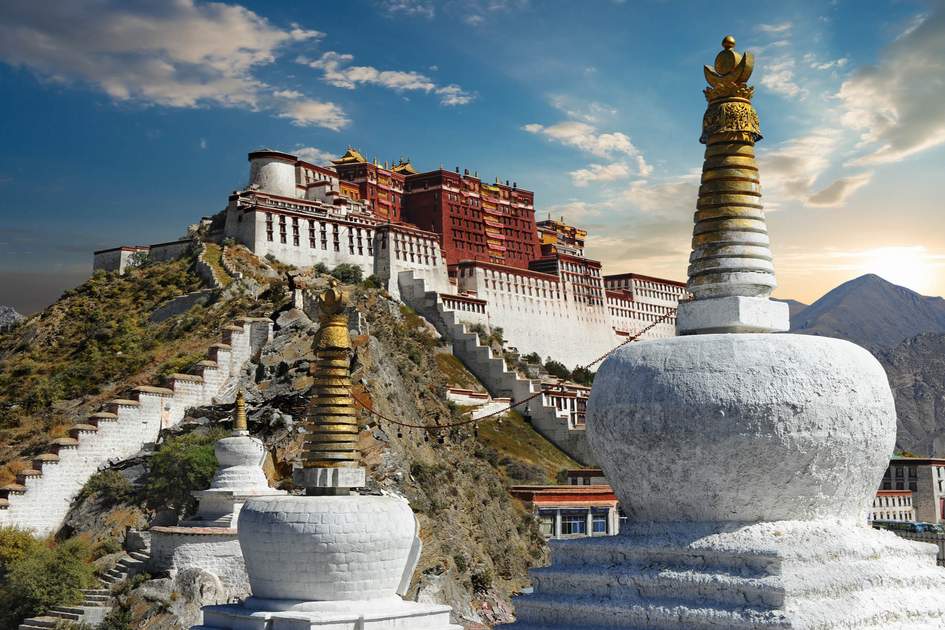
Dominating the skyline is the iconic Potala Palace, the former winter residence of the Dalai Lamas. Rising majestically above the city, the palace stands as one of Tibet’s most recognizable symbols. Its labyrinth of chapels, murals, sacred relics, and ornate halls offers visitors a glimpse into centuries of Tibetan religious and political history.
Another significant landmark is the Jokhang Temple, considered the most sacred temple in Tibetan Buddhism. Pilgrims from across the region gather here throughout the year, performing rituals and prayers while circling the temple along the bustling Barkhor pilgrimage route. The surrounding market streets are filled with traditional handicrafts, prayer flags, jewelry, and cultural artifacts that reflect Tibet’s rich heritage.
Lhasa is also home to renowned monastic institutions such as Sera Monastery and Drepung Monastery. These centers of Buddhist learning continue to preserve ancient traditions, including the famous monastic debates that attract visitors from around the world.
Sacred Lakes and Natural Wonders
Beyond Lhasa, Tibet’s landscapes reveal some of the most spectacular natural scenery on Earth.
Among the region’s most revered sites is Yamdrok Lake, a sacred body of water known for its striking turquoise color and dramatic mountain backdrop. Considered one of Tibet’s holy lakes, it remains an important spiritual destination for local communities.
Further north lies Namtso Lake, often referred to as the “Heavenly Lake.” Situated at an elevation exceeding 4,700 meters, it is one of the world’s highest saltwater lakes. Surrounded by snow-covered peaks and vast grasslands, Namtso offers a remarkable example of Tibet’s untouched natural beauty.
The region’s remote landscapes are also home to traditional nomadic communities whose lifestyles have remained closely connected to the land for generations.
The Route to Mount Everest
One of Tibet’s most celebrated travel experiences is the overland journey to Mount Everest.
The route passes through dramatic mountain passes, valleys, and historic towns, including Shigatse, Tibet’s second-largest city. Here, visitors can explore Tashilhunpo Monastery, the traditional seat of the Panchen Lama and one of the region’s most important religious centers.

The journey culminates at Everest Base Camp on the Tibetan side, where travelers are rewarded with panoramic views of the world’s highest peak. Standing at approximately 5,200 meters above sea level, the site offers an unforgettable perspective of Mount Everest rising above the surrounding Himalayan landscape.
Prayer flags flutter across the windswept terrain, creating a scene that reflects both the grandeur of nature and the spiritual traditions of the region.
Culture, Cuisine, and Daily Life
Tibet’s cultural identity remains one of its greatest attractions. Religion plays a central role in community life, influencing festivals, customs, architecture, and daily routines.
Traditional Tibetan cuisine is designed to suit the demands of high-altitude living. Popular dishes include momos (steamed dumplings), thukpa (noodle soup), tsampa (roasted barley flour), and various yak-based products. Butter tea remains a staple beverage, valued for its warmth and energy-providing qualities.
Throughout the year, festivals bring communities together in colorful celebrations featuring music, dance, religious ceremonies, and traditional performances. Events such as Saga Dawa and the Shoton Festival provide visitors with opportunities to witness Tibet’s vibrant cultural traditions firsthand.
Planning a Visit
Travel to Tibet requires advance planning. International visitors generally need both a valid Chinese visa and a Tibet Travel Permit, which must be arranged through authorized tour operators. Independent travel is not permitted, and visitors typically travel with licensed guides and organized tour groups.
The most favorable periods for travel are generally from April to June and from September to November, when weather conditions are relatively stable and mountain views are often at their clearest.
Given the region’s high elevation, acclimatization is essential. Visitors are advised to remain hydrated, take adequate rest upon arrival, and allow sufficient time for their bodies to adjust to the altitude.
A Destination of Enduring Appeal
Tibet remains one of the world’s most extraordinary destinations—a land where towering mountains, sacred traditions, and timeless landscapes coexist in remarkable harmony.
Whether drawn by spiritual curiosity, cultural exploration, or the allure of the Himalayas, visitors often leave with a deeper appreciation for the resilience of its people and the enduring power of its natural environment.
In an increasingly fast-paced world, Tibet offers a rare opportunity to experience stillness, reflection, and a profound connection to history, faith, and nature. It is a destination that continues to inspire awe, reminding travelers that some of the world’s greatest treasures are found not only in places, but in the enduring spirit of the cultures that inhabit them.