New Delhi: India is reportedly moving closer to completing the delivery of its original order of Russian-made S-400 air defence systems while simultaneously exploring the possibility of significantly expanding its long-range air defence capabilities.
According to defence-related reports, India has received the fourth battery of the S-400 Triumf under the 2018 agreement signed with Russia. The contract, valued at approximately $5.4 billion, includes a total of five S-400 batteries, with the final unit expected to be delivered in the coming months.

The delivery schedule was affected by disruptions linked to the Russia-Ukraine conflict, which impacted defence production and supply chains. Despite these challenges, Moscow has continued efforts to fulfill its commitments to India.
Expansion Plans Under Consideration
Defence observers indicate that India is evaluating the acquisition of five additional S-400 batteries, a move that could double the country’s inventory from five to ten units. If approved, the expansion would represent one of the most significant upgrades to India’s air defence network in recent years.
Military planners view advanced air defence systems as increasingly important amid evolving regional security challenges and the growing sophistication of aerial threats, including fighter aircraft, drones, cruise missiles, and ballistic missiles.
Strategic Importance of the S-400
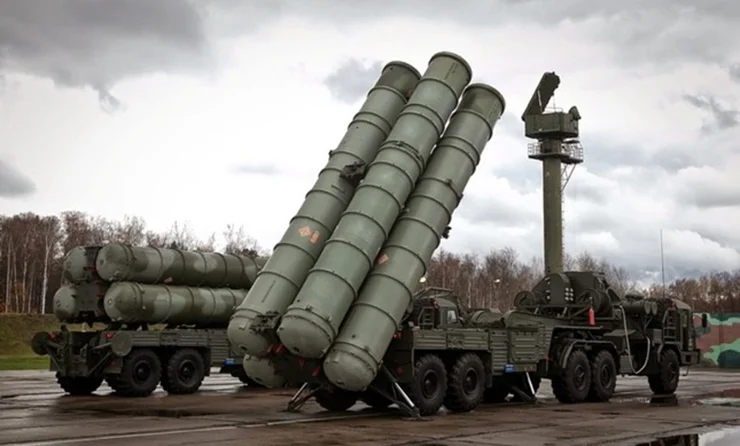
The S-400 is regarded as one of the world’s most advanced long-range air defence systems. It is capable of tracking and engaging multiple targets simultaneously at varying ranges and altitudes.
Each battery typically includes command and control units, surveillance and engagement radars, and mobile missile launchers equipped with different interceptor missiles designed to counter a wide range of threats. The system’s layered defence capability enables operators to engage targets at long, medium, and short ranges.
Indian defence officials have repeatedly highlighted the importance of integrating such systems into the country’s broader air defence framework to enhance protection of strategic assets and sensitive regions.

Strengthening India’s Air Defence Network
The planned expansion would complement India’s existing Integrated Air Command and Control System (IACCS), creating a more comprehensive and networked air defence architecture. Experts believe additional S-400 batteries could enhance coverage along key strategic sectors, including the northern borders and coastal regions.
The deployment would also support India’s efforts to maintain a credible defensive posture while improving its ability to respond to multiple aerial threats simultaneously.
Bridging the Gap Until Indigenous Systems Mature
The S-400 acquisition is also viewed as a bridge capability while India continues developing indigenous air defence technologies under the Atmanirbhar Bharat initiative. Advanced domestic projects, including Akash-NG and Project Kusha, are expected to strengthen self-reliance in the coming years.
Until those systems reach full operational maturity, the S-400 is expected to remain a cornerstone of India’s long-range air defence strategy.
Looking Ahead
If the additional procurement moves forward, the Indian Air Force could significantly enhance its defensive capabilities by the end of the decade. Defence analysts note that a larger S-400 fleet would provide greater flexibility in protecting critical infrastructure, military installations, and population centres while strengthening India’s overall air defence readiness.
Although no official announcement has yet been made regarding a new order, reports of potential expansion underscore the continuing importance of advanced air defence systems in India’s evolving security strategy.