Lucknow, 9 August, 2026: Neurological disorders are emerging as one of the biggest public health challenges in India, with experts warning that stroke and other brain disorders are increasingly affecting younger adults due to sedentary lifestyles, hypertension, diabetes and obesity.
According to the Global Burden of Disease (GBD) Study, neurological disorders are today the leading cause of ill health and disability worldwide, affecting more than 3.4 billion people. India reports an estimated 1.8–2 million new stroke cases every year, while nearly one in every four adults above the age of 25 is at lifetime risk of suffering a stroke.

Experts say Uttar Pradesh, India’s most populous state, is witnessing a steady rise in neurological disorders, fuelled by the growing prevalence of hypertension, diabetes, tobacco consumption and delayed access to specialised neurological care. Public health estimates indicate that nearly one in four adults in Uttar Pradesh has hypertension, one of the most significant risk factors for stroke. Alarmingly, experts noted that nearly 80% of strokes are preventable through lifestyle modification, regular health screening and timely medical intervention.
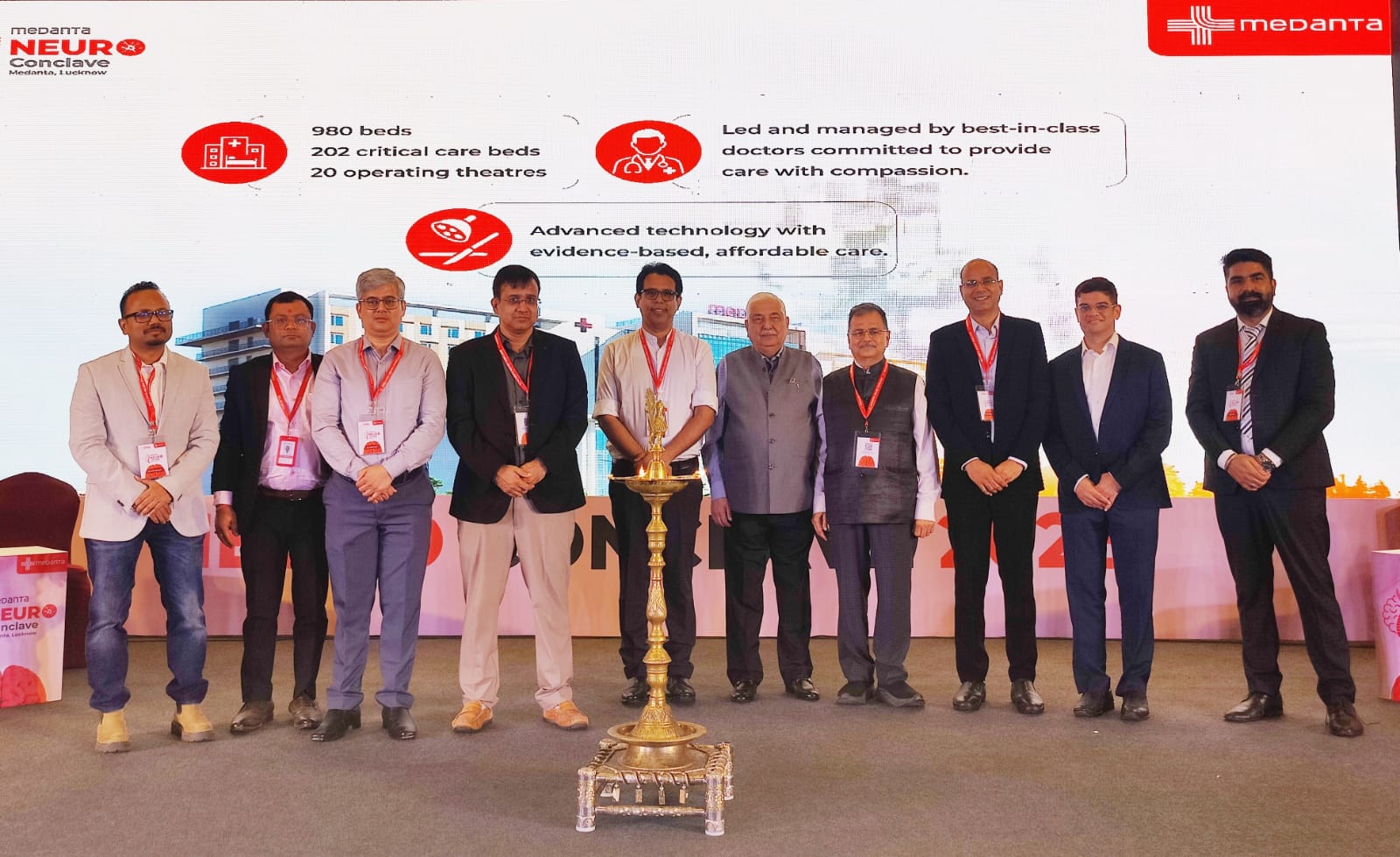
These concerns took centre stage at the Medanta Neuro Conclave 2026, organised by Medanta Lucknow, where leading neurologists, neurosurgeons and neuro-critical care specialists from across the country deliberated on the latest advances in stroke care, epilepsy, movement disorders, neuro-oncology, minimally invasive brain and spine surgery, neuroimaging and rehabilitation.
The conclave was led by Dr. Anup Kumar Thacker, Director, Neurology; Dr. Ratish Juyal, Director, Neurology; Dr. Ravi Shankar, Director, Neurosurgery; Dr. Kamlesh Singh Bhaisora, Director, Neurosurgery; and Dr. Rohit Agarwal, Director, Interventional Radiology, who, along with other eminent faculty members from across the country, shared their expertise on complex neurological disorders, advanced neuroimaging, stroke intervention, neurovascular diseases, epilepsy, movement disorders and cutting-edge surgical techniques.
The scientific programme featured evidence-based lectures, panel discussions and complex case deliberations, providing a platform for clinicians to exchange knowledge on emerging technologies and best practices in neurosciences.

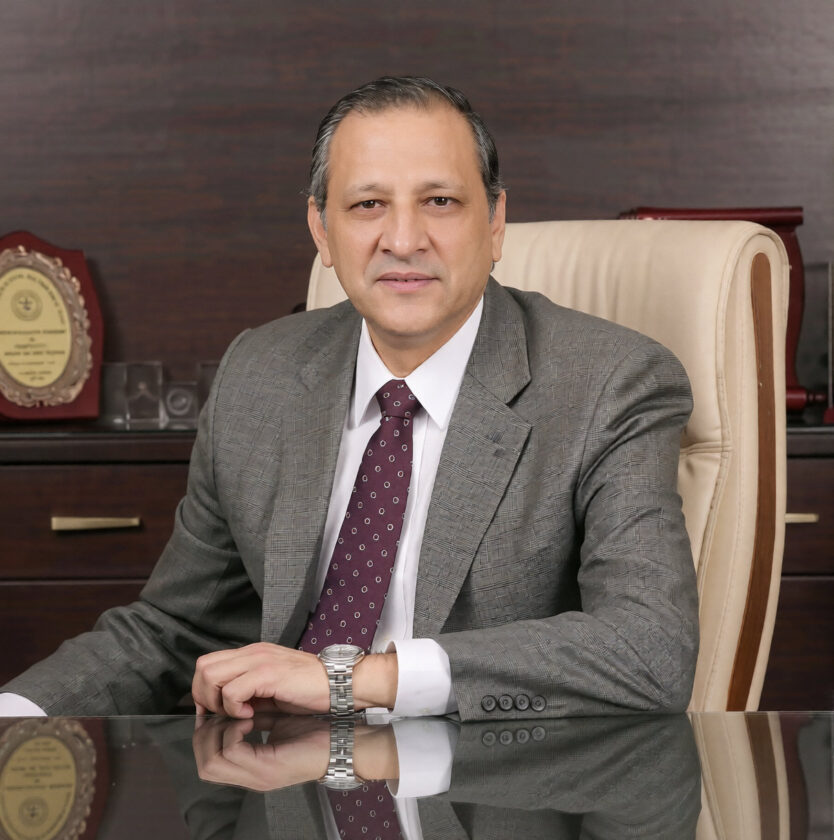
Dr. Rakesh Kapoor, Medical Director and Director, Urology & Kidney Transplant Surgery, Medanta Lucknow, said, “Neurological disorders are becoming increasingly common across all age groups, and the burden is expected to rise further in the coming years. The objective of the Neuro Conclave was to bring together experts from across the country to exchange knowledge, discuss challenging clinical cases and ensure that patients benefit from the latest advances in neuroscience. Early diagnosis, multidisciplinary care and timely intervention remain the most effective tools in improving outcomes.”
During the scientific sessions, experts discussed the rapid advancements in stroke intervention, minimally invasive brain and spine surgery, epilepsy management, neuro-critical care, neuroimaging, functional neurosurgery and neurological rehabilitation. Faculty members highlighted the importance of adopting evidence-based treatment protocols and multidisciplinary collaboration to improve patient outcomes in complex neurological disorders.
The conclave also focused on strengthening emergency stroke response systems, promoting early diagnosis through advanced imaging technologies and enhancing collaboration among neurologists, neurosurgeons, intensivists, radiologists and rehabilitation specialists to ensure comprehensive patient care.
Experts concluded by urging people to undergo regular health check-ups, maintain healthy blood pressure, blood sugar and cholesterol levels, avoid tobacco, remain physically active and never ignore sudden neurological symptoms such as weakness on one side of the body, difficulty in speaking, severe headache, imbalance or loss of consciousness. They reiterated that timely diagnosis, early referral to specialised stroke centres and greater public awareness can substantially reduce the burden of neurological diseases in Uttar Pradesh and improve long-term patient outcomes.