New Delhi: Eleven years after the launch of the Digital India programme, the initiative has emerged as one of the country’s most significant governance and technology transformations, reshaping healthcare, financial inclusion, public service delivery and digital commerce. Since its launch on July 1, 2015, Digital India has built a robust digital public infrastructure that is making daily life more convenient for millions of citizens across urban and rural India.
From street vendors accepting instant digital payments to Anganwadi workers updating child health records in real time and rural artisans selling handcrafted products directly to customers nationwide, digital platforms have become an integral part of India’s development journey.
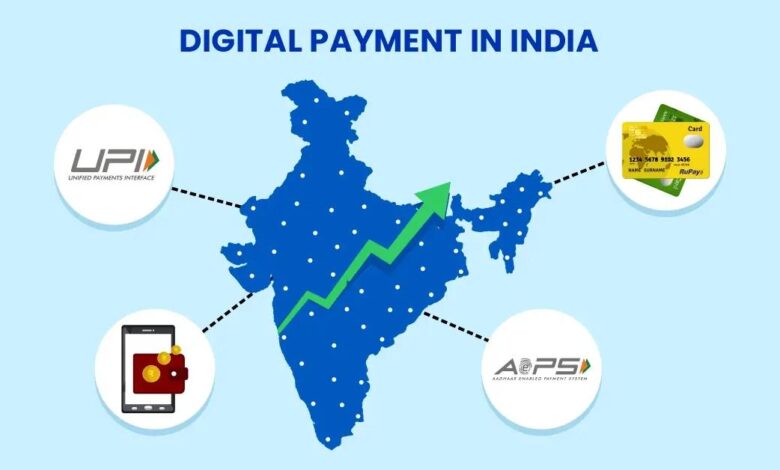
A major pillar of this transformation is the Unified Payments Interface (UPI), which has revolutionised digital payments since its introduction in 2016. Today, India accounts for nearly 49 per cent of the world’s real-time digital payment transactions, making UPI the largest real-time payment system globally. Supported by affordable smartphones, low-cost internet, Aadhaar-based digital identity, interoperable banking systems and expanding 5G connectivity, UPI has enabled secure, instant and cashless transactions for millions of users.
India’s digital payment ecosystem has also gained international recognition. UPI is now operational in multiple countries, with Greece recently becoming the 10th nation to adopt the platform, allowing Indian travellers and businesses to make seamless digital payments overseas.
Beyond payments, Digital India has significantly strengthened maternal and child healthcare through the Poshan Tracker, developed under Mission Poshan 2.0 by the Ministry of Women and Child Development. The platform has replaced manual record-keeping with a real-time digital monitoring system for nutrition services across the country.
As of May 2026, more than 13.30 lakh Anganwadi workers have been registered on the platform, delivering services to 8.93 crore beneficiaries, including pregnant women, lactating mothers, children up to six years of age and adolescent girls. Nearly 99.89 per cent of beneficiaries have been Aadhaar-verified, ensuring transparency and accurate service delivery.

The Poshan Tracker now maintains a live monthly database covering over 77 million children, enabling real-time dashboards, heat maps and evidence-based policymaking. Features such as geo-tagging, geo-fencing, facial authentication for ration distribution, Aadhaar verification and multilingual access have improved monitoring while ensuring that nutrition services reach eligible beneficiaries efficiently.
Digital India has also transformed rural livelihoods through IndiaHandmade, a digital marketplace developed by the Digital India Corporation under the Ministry of Textiles. The platform directly connects artisans, weavers, self-help groups and rural enterprises with customers across the country, eliminating intermediaries and improving earnings.
More than 3,900 artisans and weavers are currently registered on the platform, offering over 21,000 handicraft and handloom products. Integrated order management, secure digital payments, AI-assisted product listings, multilingual support and free logistics have enabled even first-time digital sellers to access national markets. Importantly, the entire sale proceeds are transferred directly into artisans’ bank accounts without deductions, increasing incomes while making handcrafted products more affordable for consumers.
Government officials highlighted beneficiary success stories that demonstrate the programme’s impact. Pregnant beneficiary Priyanka receives timely nutritional support, antenatal care and ration benefits through the Poshan Tracker’s real-time monitoring system. Similarly, the Dastkar Bamboo Producer Company has expanded its customer base over the past three years by marketing bamboo and cane handicrafts through IndiaHandmade, resulting in higher sales, better incomes for artisans and preservation of traditional crafts.
Officials said that after completing 11 years, Digital India is no longer just a flagship government programme but a nationwide digital ecosystem that is improving governance, expanding financial inclusion, strengthening healthcare delivery and creating new economic opportunities. From instant QR-code payments at neighbourhood tea stalls to digital nutrition monitoring in remote villages and nationwide access to handcrafted products, the initiative continues to drive inclusive growth through technology while making public services more accessible, transparent and efficient.













 https://www.youtube.com/watch?si=RtToJsBhYBatUrym&v=mOuYNSdhjHA&feature=youtu.be