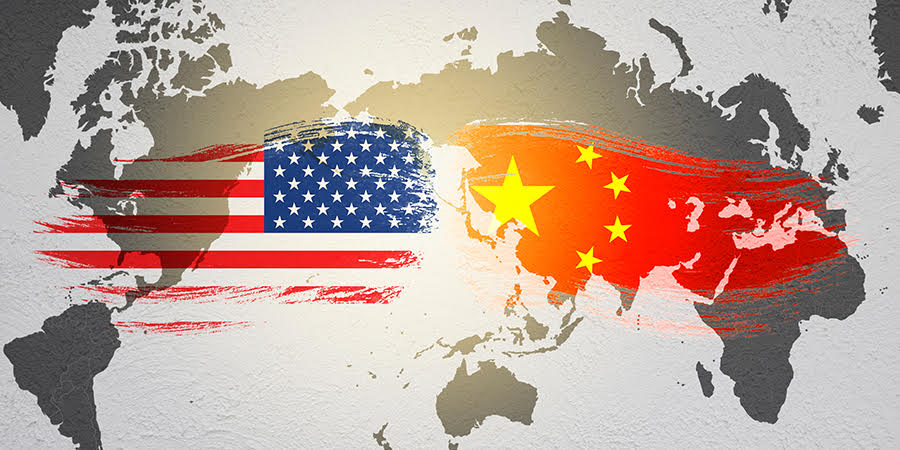
Washington: The United States is facing growing strategic pressure as its ongoing military engagement with Iran raises concerns about its readiness in the Indo-Pacific, where tensions involving China and Taiwan continue to escalate.
Concerns Over Resource Allocation
At a recent hearing of the US Congressional Armed Services Committee, Admiral Samuel J. Paparo acknowledged that American stockpiles of advanced weapons remain limited, stressing that resources are being managed carefully. However, lawmakers voiced concern that the ongoing conflict in Iran has stretched military reserves and could impact preparedness elsewhere.

Senator Richard Blumenthal highlighted the financial and operational strain of prolonged engagements, calling for faster replenishment of critical munitions.
Redeployments Raise Strategic Questions
The shifting of key military assets has intensified debate. Units such as the Japan-based 31st Marine Expeditionary Unit and the USS Abraham Lincoln carrier strike group have reportedly been moved to the Middle East. Analysts warn that such redeployments may temporarily reduce US presence in the Indo-Pacific during a period of heightened regional tensions.
A reported dip in surveillance operations earlier this year has further fueled speculation about stretched operational capacity, though officials describe it as part of a broader global strategy.
China’s Growing Military Capabilities
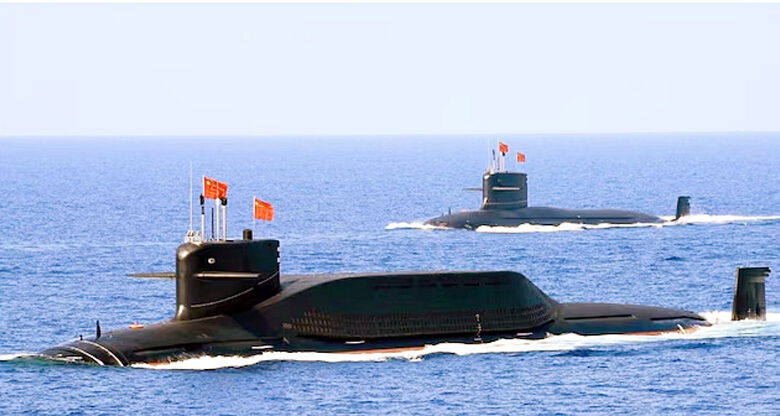
At the center of US strategic concerns is China’s expanding military strength. The People’s Liberation Army has accelerated modernization efforts, developing advanced missile systems, including hypersonic weapons, while expanding naval and nuclear capabilities.
Paparo cautioned that China’s military activities near Taiwan could go beyond routine exercises, potentially serving as preparation for future conflict. Beijing’s assertive posture in the South China Sea and East China Sea continues to add to regional uncertainty.

Changing Nature of Warfare
Officials also pointed to evolving warfare tactics, including cyber operations, artificial intelligence, and information campaigns. The use of digitally generated content and autonomous systems, such as drones, is rapidly transforming battlefield dynamics, enabling faster and more complex engagements.
Focus on Alliances and Deterrence
Despite the challenges, the United States remains committed to maintaining a strong Indo-Pacific presence. Military leaders emphasized the importance of alliances, noting that over 100 joint exercises were conducted with partner nations last year, including large-scale drills like Exercise Balikatan.
These operations aim to strengthen coordination and demonstrate collective readiness, serving as a deterrent against potential conflicts.
Need for Faster Modernization
A key concern remains the pace of defence production. Paparo called for accelerated manufacturing of advanced systems such as long-range missiles, drones, and hypersonic technologies. He also pointed to capability gaps in areas like air refueling and missile defence, which need urgent attention.
Evolving Global Security Landscape
Beyond China, increasing cooperation between countries like Russia and North Korea could further complicate global security dynamics.
Officials stressed that the Indo-Pacific will remain central to US strategic interests in the coming decades. Decisions taken now on military investments and alliances are expected to play a critical role in shaping future stability and preventing large-scale conflicts.