
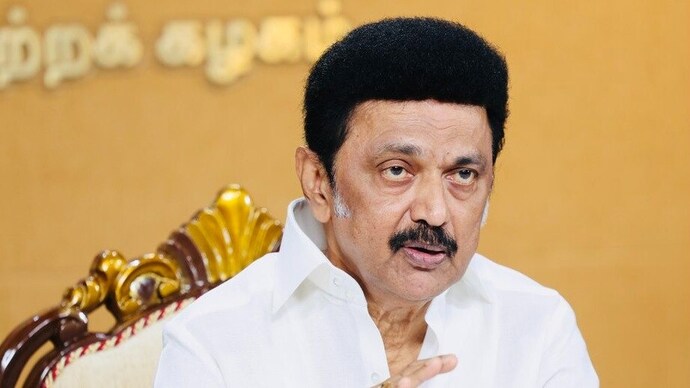
Chennai: Tamil Nadu’s political landscape has witnessed intense debate and speculation following discussions around the Dravida Munnetra Kazhagam’s (DMK) evolving political strategy and the possibility of issue-based proximity with the Bharatiya Janata Party (BJP). The political discourse gained momentum after recent developments in the state assembly and Parliament triggered questions over the future of opposition unity in the state.
According to political observers, the atmosphere in Tamil Nadu politics changed significantly after the Assembly election results on May 4. Discussions within political circles have largely focused on emerging differences among alliance partners and the changing equations between regional and national parties. The decision to induct Congress legislators into the state government and reports of DMK MPs seeking separate seating arrangements in Parliament further intensified speculation regarding internal alliance tensions.
The developments have generated mixed reactions among DMK supporters and political workers. For decades, the DMK has projected itself as a strong defender of Tamil identity, regional autonomy and southern representation in national politics. The party has consistently opposed the BJP on several ideological and policy matters, particularly over issues such as delimitation and the alleged imbalance in political representation between North and South India.
In recent months, the DMK leadership had strongly criticised the Centre over the proposed delimitation exercise, alleging that it could weaken the political voice of southern states despite their contribution to economic growth and population control efforts. Party leaders had staged protests and raised the issue repeatedly in Parliament, presenting it as a matter linked to Tamil pride and federal balance.
However, political analysts believe that practical political considerations and changing national equations are creating new challenges for regional parties across India. Discussions within political circles suggest that some leaders within the DMK may favour maintaining a working relationship with the Centre on governance and development-related matters without entering into a formal political alliance.
Sources indicate that the BJP, which has been attempting to strengthen its presence in South India, is carefully observing the changing political environment in Tamil Nadu. BJP leaders have publicly maintained that cooperation on national development and governance issues should not be viewed through the lens of political hostility alone.
Despite the speculation, the DMK leadership has reiterated that the party’s core principles regarding state rights, social justice and regional representation remain unchanged. Chief Minister M.K. Stalin has reportedly conveyed to party leaders that issues concerning Tamil Nadu’s identity and interests would remain non-negotiable under any political circumstance.

The political debate has also created visible divisions at the grassroots level. While some party workers believe maintaining communication with the Centre could benefit development and investment in the state, others fear that any perceived softening toward the BJP may alienate the DMK’s traditional support base.
Observers note that Tamil Nadu politics has historically witnessed unexpected alliances and strategic shifts. The DMK itself had previously been part of BJP-led coalitions during the Atal Bihari Vajpayee era. However, analysts point out that the present political environment is significantly different, with ideological positions and regional sensitivities playing a far more prominent role in public discourse.
Meanwhile, social media platforms and political forums continue to witness heated debates over whether the DMK is preparing for a tactical political recalibration or merely exploring issue-based cooperation with the Centre. Opposition parties have also begun targeting the DMK over the speculation, accusing it of sending mixed political signals to voters.
As Tamil Nadu moves closer to future electoral contests, political experts believe the coming months will be crucial in determining whether the DMK maintains its traditional opposition stance or adopts a more flexible political approach while balancing governance priorities and regional aspirations.
For now, no formal alliance or political understanding between the DMK and BJP has been announced. However, the ongoing political developments have ensured that the discussion over Tamil Nadu’s evolving political equations remains at the centre of public and political attention













 https://www.youtube.com/watch?si=RtToJsBhYBatUrym&v=mOuYNSdhjHA&feature=youtu.be


