New Delhi: India is steadily expanding its strategic influence across the Indo-Pacific through a combination of indigenous defence capabilities, stronger regional partnerships and an increasingly proactive foreign policy. The country’s growing engagement with key maritime nations, particularly Indonesia, reflects its ambition to play a larger role in maintaining regional security, economic cooperation and strategic stability.
Under the leadership of Prime Minister Narendra Modi, India’s foreign policy has increasingly focused on strengthening ties with Indo-Pacific nations while promoting mutual respect, shared prosperity and a rules-based international order. Recent high-level engagements with Indonesia and other regional partners have highlighted cooperation in defence, maritime security, trade, technology and strategic affairs.
One of the key drivers of India’s expanding influence is its growing self-reliance in defence manufacturing. Once among the world’s largest importers of military equipment, India has significantly increased domestic production under the Make in India and Aatmanirbhar Bharat initiatives. Indigenous platforms such as the BrahMos supersonic cruise missile, Astra beyond-visual-range air-to-air missile, Akash air defence system, Pinaka multi-barrel rocket launcher and the Tejas light combat aircraft have enhanced India’s military capabilities while attracting interest from foreign governments.
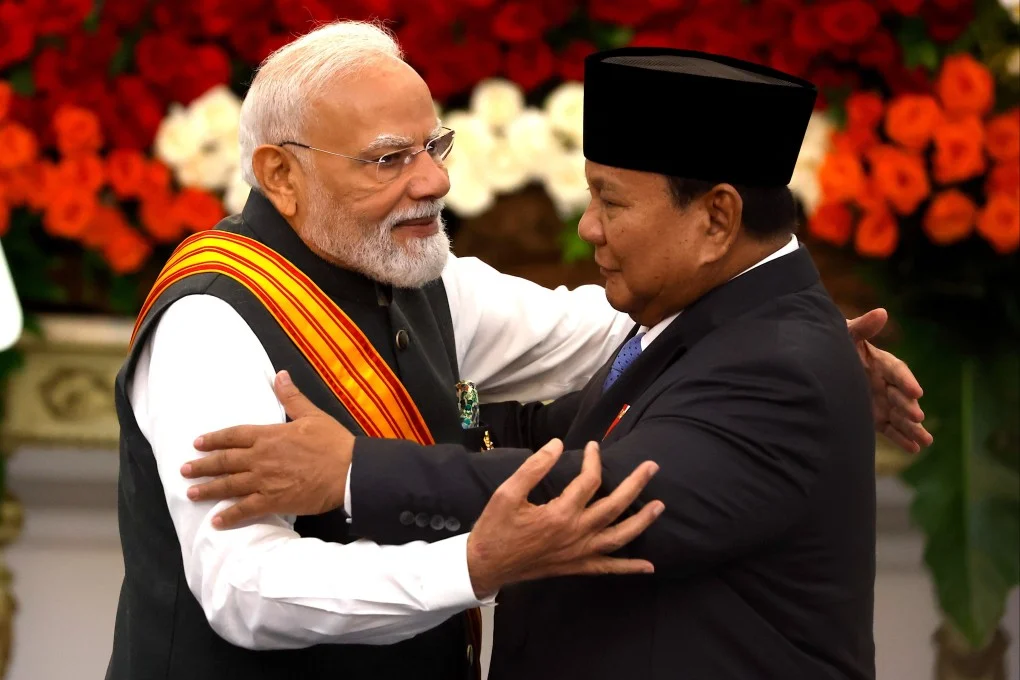
Indonesia has emerged as an important defence partner in this context. Strategically located near the Strait of Malacca, one of the world’s busiest maritime trade routes, the Southeast Asian nation is exploring closer defence cooperation with India, including reported interest in acquiring the Astra missile for its Sukhoi fighter aircraft and advancing discussions on the BrahMos missile system. Defence experts believe such cooperation could strengthen maritime security and contribute to a more stable balance of power in the Indo-Pacific.
India’s engagement with Indonesia extends beyond military collaboration. Both countries are expanding cooperation in cyber security, counter-terrorism, defence technology, naval exercises and maritime domain awareness. These initiatives align with India’s broader vision of fostering security and economic resilience across the Indo-Pacific without pursuing confrontational alliances.
The Indo-Pacific has become one of the world’s most strategically significant regions amid rising geopolitical competition. Increasing military activity in the South China Sea and competing territorial claims have heightened concerns among several countries. India has maintained that it supports freedom of navigation, peaceful resolution of disputes and adherence to international law while safeguarding its own national interests.


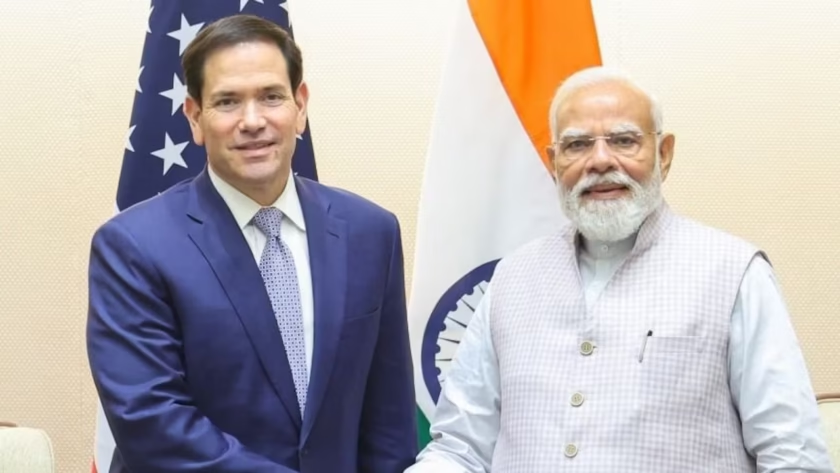
India’s strategic partnerships have also diversified beyond Southeast Asia. It continues to strengthen cooperation with the United States, Japan, Australia and European nations while deepening engagement with countries across Africa, West Asia and the Global South. Analysts view this balanced diplomatic approach as an effort to enhance India’s global standing without becoming dependent on any single strategic bloc.
The country’s international profile has also grown through initiatives such as its presidency of the G20, active participation in the Quad, leadership on digital public infrastructure, climate action and disaster management, and advocacy for the interests of developing nations. These efforts have reinforced India’s image as both a development partner and a responsible stakeholder in global governance.
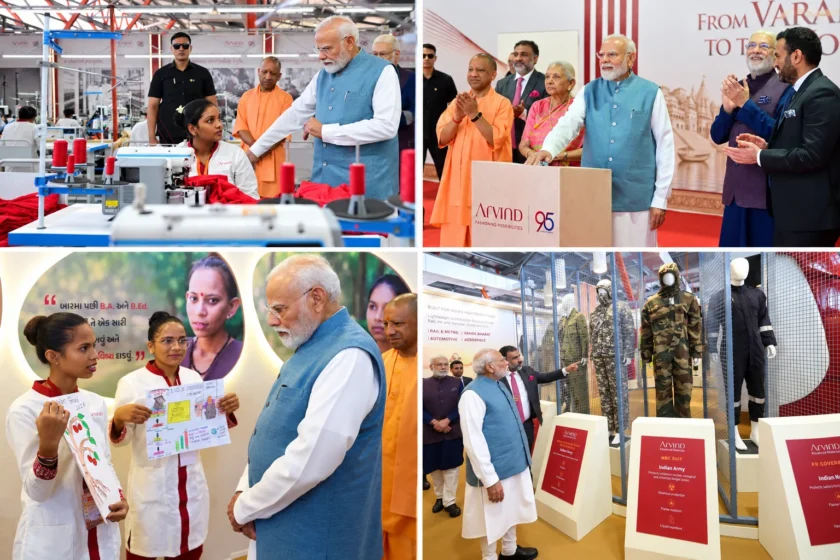
Beyond strategic considerations, India’s expanding defence industry is generating economic benefits. Rising defence exports are creating employment opportunities, encouraging research and innovation, strengthening manufacturing capabilities and enhancing India’s position in the global defence market.
Observers note that while India’s foreign policy continues to emphasise peace, coexistence and mutual respect, it is also adapting to evolving geopolitical realities. As strategic alignments shift across Asia and the Middle East, India is seeking to safeguard its national interests through stronger partnerships, enhanced military preparedness and sustained diplomatic engagement.
With a growing indigenous defence base and expanding international partnerships, India is positioning itself as an increasingly influential player in the Indo-Pacific. Policymakers believe this combination of strategic autonomy, technological advancement and diplomatic outreach will play an important role in shaping regional stability and supporting India’s long-term vision of becoming a leading global power.













 https://www.youtube.com/watch?si=RtToJsBhYBatUrym&v=mOuYNSdhjHA&feature=youtu.be