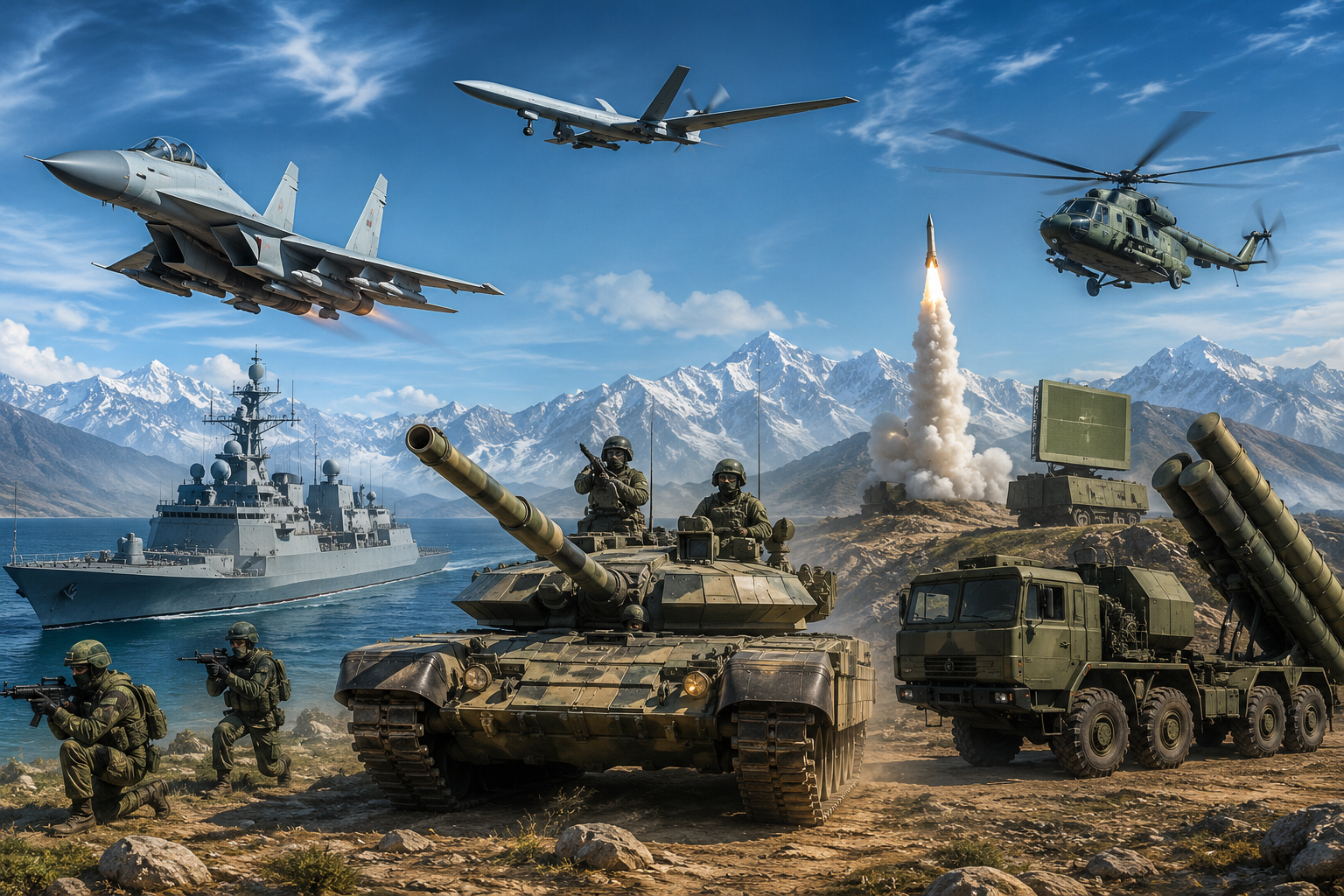
New Delhi: India has announced its highest-ever defence allocation in the Union Budget 2026–27, reinforcing its commitment to military modernisation, indigenous defence production and national security amid evolving regional challenges. While the record allocation has been welcomed as a major step forward, defence experts say sustained investment and structural reforms will be crucial to address long-term capability requirements.
The Ministry of Defence has been allocated ₹7.85 lakh crore for 2026–27, representing a 15.2 per cent increase over the previous year’s Budget Estimates. The allocation accounts for nearly 14.7 per cent of the Central Government’s total expenditure and around 2 per cent of India’s projected Gross Domestic Product (GDP).

A key highlight of the budget is the sharp rise in capital expenditure for defence services. The government has earmarked ₹2.19 lakh crore for the acquisition of new weapon systems, aircraft, naval platforms and advanced military technologies—an increase of nearly 22 per cent over the previous year. A significant share of this allocation has been reserved for procurement from domestic manufacturers under the Atmanirbhar Bharat initiative, aimed at strengthening India’s indigenous defence industry.
According to the Stockholm International Peace Research Institute (SIPRI), India was the world’s fifth-largest military spender in 2025, with defence expenditure estimated at US$92.1 billion, reflecting an 8.9 per cent annual increase. The United States, China, Russia and Germany ranked ahead of India in overall military spending.
Although India’s defence expenditure is substantially larger than Pakistan’s in absolute terms, analysts point out that a significant portion of the budget is devoted to salaries, pensions and operational expenses. These recurring commitments leave a comparatively smaller share available for capital acquisitions and modernisation programmes.
Defence analysts have consistently argued that India may need to raise defence spending to between 2.5 and 3 per cent of GDP to adequately address the country’s evolving security environment. India continues to face strategic challenges along its borders with both China and Pakistan, while simultaneously investing in capabilities across conventional warfare, cyber security, space operations and emerging technologies.

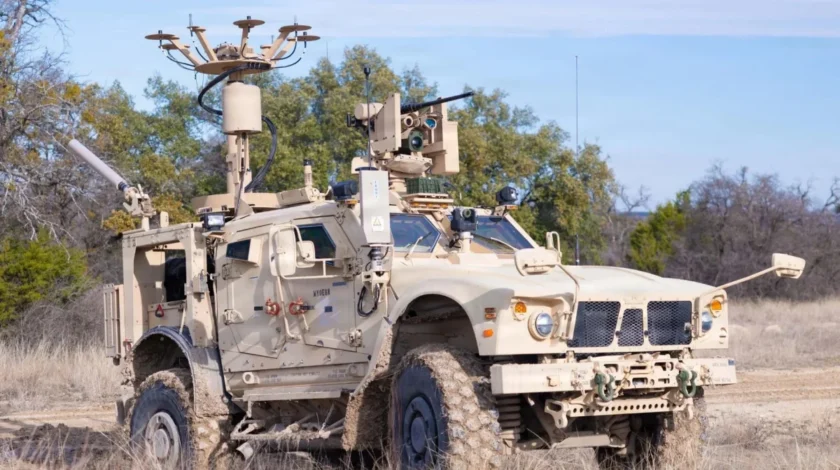
Experts also note that modernisation priorities include expanding fighter aircraft fleets, strengthening submarine capabilities, enhancing integrated air defence systems, improving surveillance networks and accelerating the induction of advanced battlefield technologies.
The government maintains that the latest budget reflects a long-term vision for building a technologically advanced and self-reliant military. Defence Minister Rajnath Singh has repeatedly emphasised that investment in indigenous research, manufacturing and innovation remains central to India’s defence strategy, with the objective of reducing dependence on imports while strengthening domestic industry.
Despite significant progress in indigenisation, India continues to import several advanced defence platforms and technologies. Procurement delays, lengthy acquisition processes and evolving operational requirements remain challenges that policymakers and the armed forces continue to address.
With regional security dynamics becoming increasingly complex, the record defence allocation is widely viewed as an important milestone in India’s military modernisation programme. However, experts believe that sustained funding, faster procurement reforms, greater private sector participation and continued investment in indigenous technologies will ultimately determine how effectively financial commitments translate into enhanced operational capability and long-term strategic preparedness.