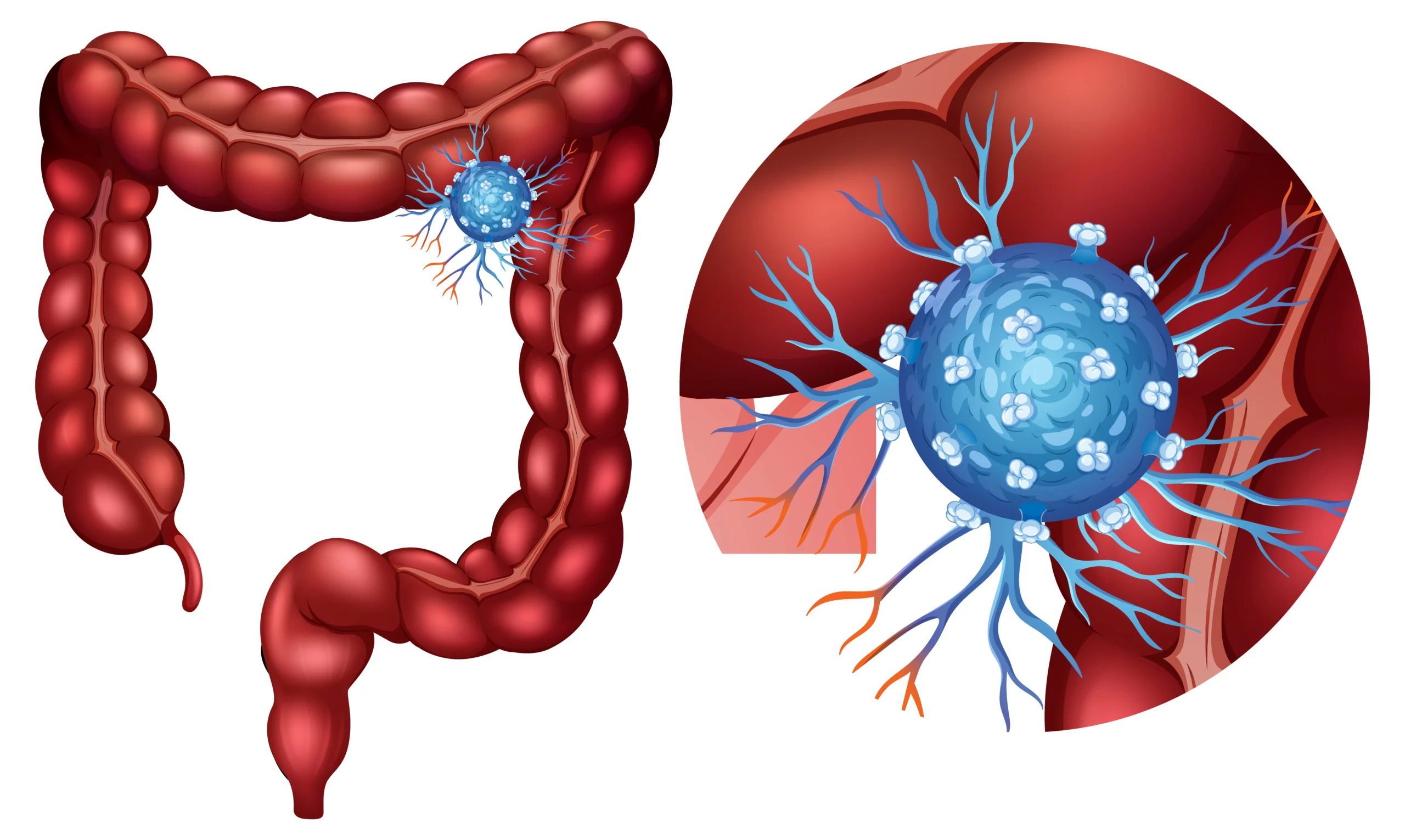
Kanpur: A major breakthrough in cancer research by scientists at Indian Institute of Technology Kanpur has opened new possibilities for more effective treatment of colorectal cancer, one of the most aggressive forms of cancer affecting the intestine.
Professor Bushra Ateeq from the Department of Biological Sciences and Bioengineering, along with her research team, has identified a key protein known as DKC-1 that plays a crucial role in the rapid spread of colorectal cancer and in making cancer cells resistant to treatment.

The findings, considered highly significant in the medical research community, were published on May 18 in the internationally reputed journal Nature Communications.

According to the study, increased levels of the DKC-1 protein make cancer cells highly aggressive and reduce the effectiveness of medicines and chemotherapy. Researchers found that the protein interferes with the body’s sphingolipid metabolism, a group of fats that normally regulate cell structure and the natural death of damaged cells, known as apoptosis