Yogi and Akhilesh: A Sharpening Political Contest in Uttar Pradesh
Yogi Adityanath, Akhilesh Yadav, Uttar Pradesh politics, UP politics, BJP, Samajwadi Party, SP, Yogi vs Akhilesh, Yogi Adityanath statement, Akhilesh Yadav politics, Uttar Pradesh political rivalry, PDA formula, Muslim Yadav vote bank, soft Hindutva, Asaduddin Owaisi, AIMIM, UP political strategy, Uttar Pradesh elections, BJP vs SP, UP government, Uttar Pradesh development, law and order in UP, Indian politics, political controversy, Uttar Pradesh political news, Yogi Akhilesh political clash, UP opposition politics, caste politics, minority politics, political debate India

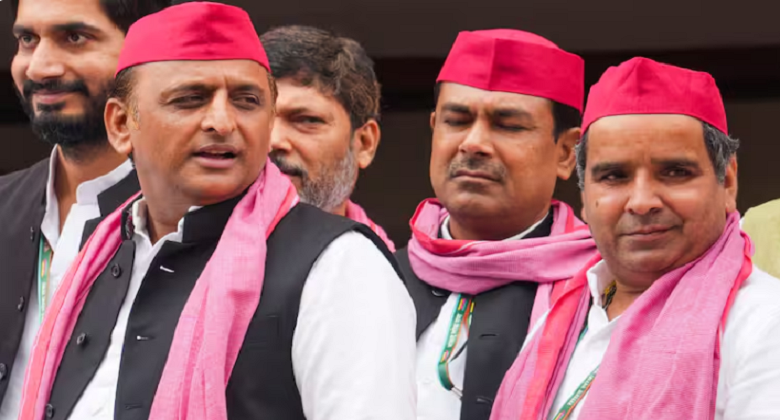
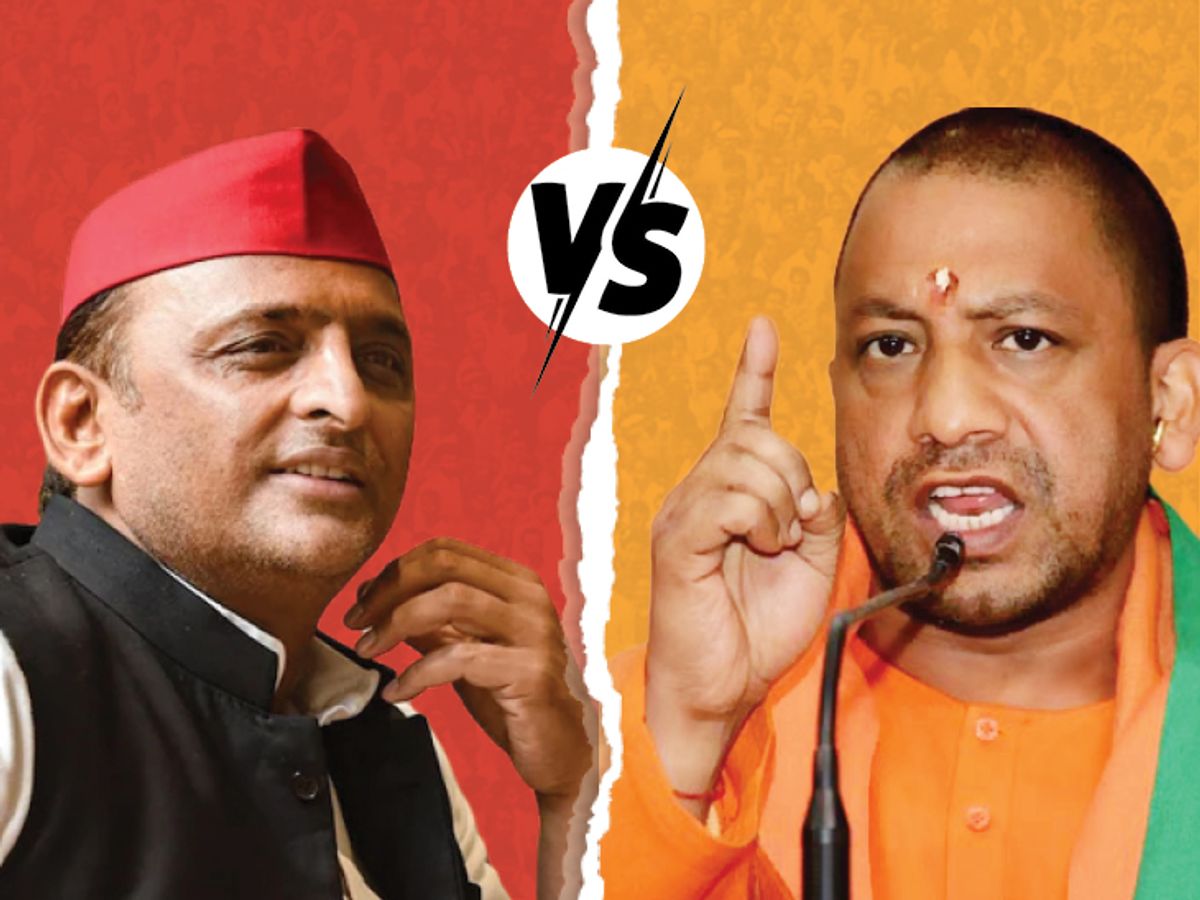
Lucknow: The political contest between Uttar Pradesh Chief Minister Yogi Adityanath and Samajwadi Party president Akhilesh Yadav has once again come into sharp focus, with personal jibes, competing political narratives and changing electoral strategies intensifying the battle between the ruling BJP and the opposition Samajwadi Party. Addressing a programme on National Handloom Day, Chief Minister Yogi Adityanath took a pointed dig at Akhilesh Yadav, questioning his seriousness as a political leader. Referring to him as “Babua”, Yogi alleged that some people remain children throughout their lives and claimed that Akhilesh’s…

Read More

Political Tensions Continue in Uttar Pradesh Post Maha Kumbh

Maha Kumbh, Uttar Pradesh politics, Dharmendra Yadav, Yogi Adityanath, Samajwadi Party, BJP, Bilari, Mohammad Faheem Irfan, Sangeet Som, political controversy, stampede deaths, Mauni Amavasya, double-engine government, pollution control, hate speech, democracy, Akhilesh Yadav, Babur, Aurangzeb

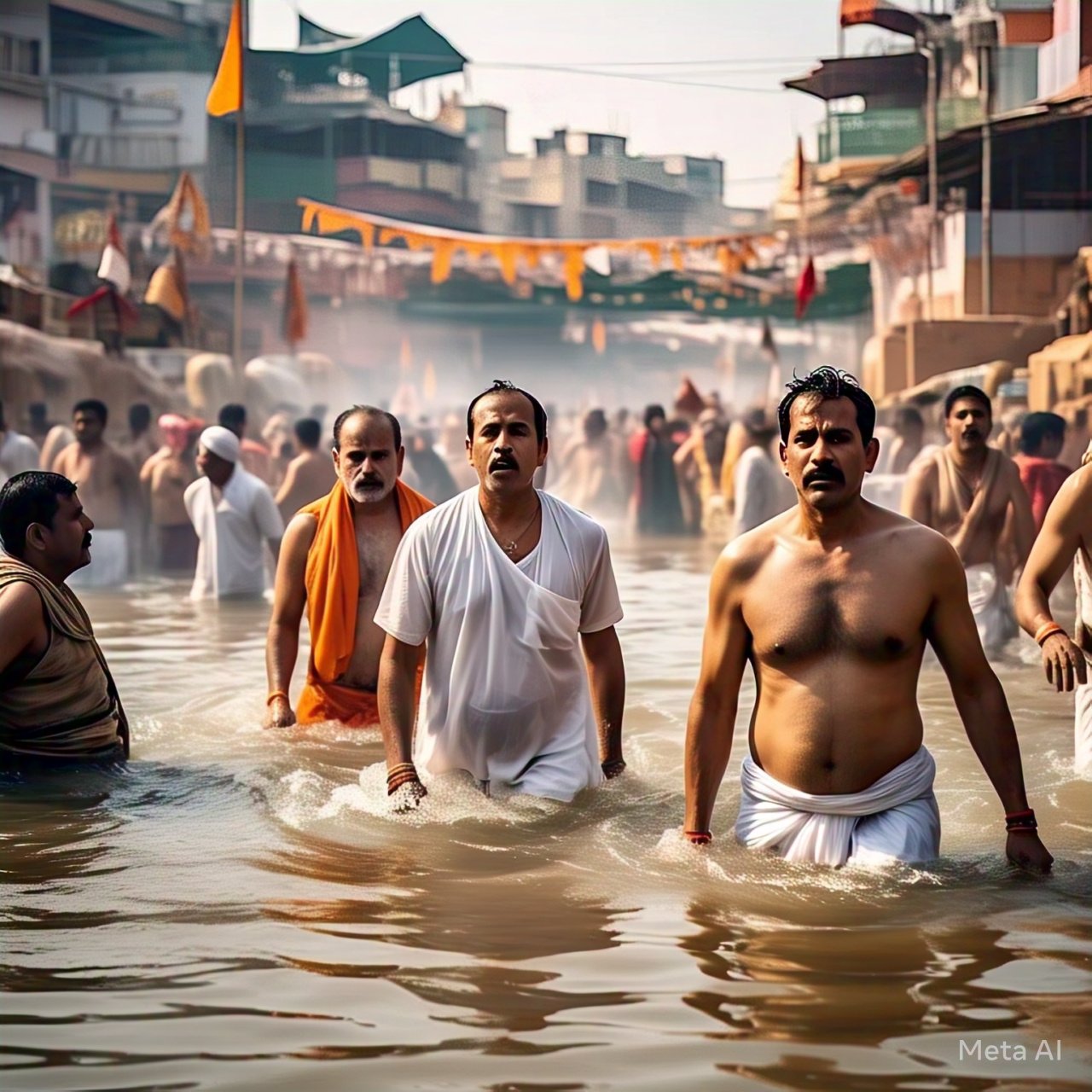
Lucknow: Even though the grand Maha Kumbh festival has concluded, political turmoil in Uttar Pradesh remains unabated. In Moradabad, Samajwadi Party (SP) MP Dharmendra Yadav visited the residence of Bilari MLA Mohammad Faheem Irfan and launched a scathing attack on Chief Minister Yogi Adityanath over the tragic deaths during the stampede on Mauni Amavasya at the Maha Kumbh. Dharmendra Yadav criticized the Chief Minister, stating that families mourning their deceased loved ones are naturally in distress, yet CM Yogi Adityanath’s remarks regarding these grieving families were inappropriate and akin to…

Read More

At Friday’s Rahul Meet, Tharoor Likely to Stay Silent

Rahul Gandhi, Mallikarjun Kharge, Shashi Tharoor, Congress, Kerala Congress, local body elections, Congress leadership, factionalism, Deepa Dasmunshi, K Raghavan, Kerala politics, Thiruvananthapuram MP, Congress Working Committee, BJP speculation, political controversy, party unity, Congress strategy, leadership vacuum, Rahul Gandhi meeting, Kerala elections

New Delhi – Congress MP Shashi Tharoor, who has been at the center of controversy over his opinion article in The New Indian Express, is expected to remain silent during a key meeting on Friday with Rahul Gandhi and Congress president Mallikarjun Kharge. The meeting, which will involve top Congress leaders from Kerala, is primarily aimed at strategizing for the upcoming local body elections. Tharoor, a four-time MP from Thiruvananthapuram, has reportedly decided to avoid further confrontation until the elections, which Congress sees as a crucial opportunity for revival in the…

Read More

Prisoners Use Sangam Water for a “Holy Bath”

Chhattisgarh, prisoners, Sangam water, holy bath, Ganga Jal, Maha Kumbh, Vijay Sharma, spiritual purification, jail inmates, Congress criticism, BJP, political controversy, religious ritual, Har Har Gange, prison reform, opposition reaction, cultural tradition, symbolic snan, faith and justice, governance debate

Raipur: In an unusual spiritual initiative, Chhattisgarh’s Home Minister Vijay Sharma distributed sacred Sangam water to prisons across the state, allowing inmates to partake in a symbolic “snan” (holy bath) as part of the ongoing Maha Kumbh celebrations. The move, which was met with both praise and political controversy, saw approximately 18,000 prisoners across 33 jails participate in the ritual. The initiative, intended to provide inmates with a sense of religious and spiritual purification, took place in five central prisons, 20 district jails, and eight sub-jails. Prison authorities mixed the…

Read More