By Special Correspondent
Guwahati: Nestled along the floodplains of the mighty Brahmaputra River, Kaziranga National Park stands as one of India’s most celebrated wildlife destinations and a shining example of successful conservation. Renowned worldwide as the stronghold of the endangered one-horned rhinoceros, the park offers an extraordinary blend of biodiversity, dramatic landscapes, and ecological resilience that continues to attract wildlife enthusiasts, researchers, and nature lovers from across the globe.
Spread across the districts of Golaghat, Nagaon, Biswanath, and Sonitpur in Assam, Kaziranga covers a vast expanse of grasslands, wetlands, forests, and riverine ecosystems. Recognized as a UNESCO World Heritage Site in 1985, the park has become synonymous with wildlife conservation and ecological stewardship, earning international acclaim for its role in protecting some of the world’s most threatened species.
A Landscape Shaped by Nature
The beauty of Kaziranga lies not only in its wildlife but also in its ever-changing landscape. Located between the Brahmaputra River and the Karbi Anglong hills, the park is characterized by vast stretches of elephant grass, marshlands, dense tropical forests, and numerous water bodies.


Seasonal flooding from the Brahmaputra plays a crucial role in maintaining the park’s ecological balance. While floods may appear destructive, they replenish soil nutrients, sustain wetlands, and support the regeneration of grasslands that form the backbone of Kaziranga’s ecosystem.
This natural cycle has helped create one of Asia’s richest wildlife habitats, supporting an exceptional variety of flora and fauna.
Home of the Great One-Horned Rhinoceros
Kaziranga’s greatest claim to fame is its remarkable success in conserving the Indian Rhinoceros.
At the beginning of the twentieth century, the species was on the brink of extinction, with only a handful of individuals surviving in the wild. Through sustained conservation efforts, anti-poaching measures, habitat protection, and community engagement, Kaziranga has transformed into the world’s largest refuge for the species.
Today, the park supports a thriving population of more than 2,000 one-horned rhinos, making it one of the greatest wildlife recovery stories in modern conservation history.
Visitors often describe the sight of a massive rhino emerging from the morning mist or grazing peacefully amid towering grasslands as one of the most unforgettable experiences in Indian wildlife tourism.
A Biodiversity Hotspot
While rhinos dominate the spotlight, Kaziranga’s ecological wealth extends far beyond a single species.
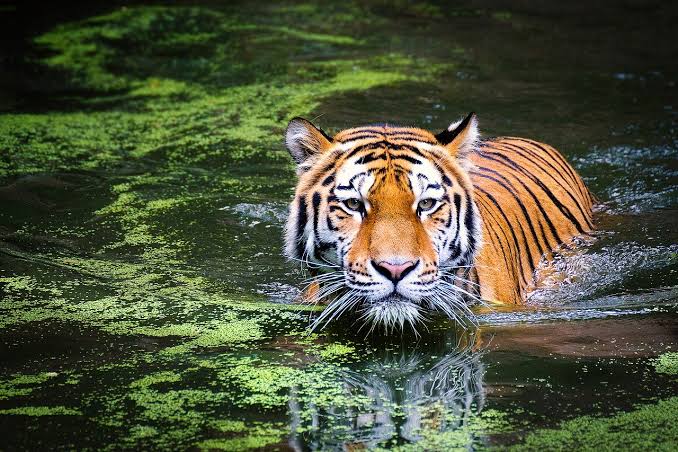
The park is one of the few places in the world where visitors have a realistic chance of encountering all members of India’s famed “Big Five” wildlife species—rhinos, tigers, elephants, wild water buffaloes, and swamp deer.
Among the mammals commonly found in the park are:
- Bengal Tiger
- Asian Elephant
- Gaur
- Barasingha
- Wild Boar
- Capped Langur
Kaziranga is also recognized as an important tiger reserve and boasts one of the highest tiger densities among protected areas in India.
A Paradise for Birdwatchers
For bird enthusiasts, Kaziranga offers an equally rewarding experience.
More than 500 bird species have been recorded within the park, including numerous migratory birds that arrive during winter months from Central Asia, Europe, and Siberia.


Among the notable avian residents are:
- Greater Adjutant
- Pallas’s Fish Eagle
- Spot-billed Pelican
- Various species of herons, storks, ducks, geese, and raptors.
The wetlands and marshes of Kaziranga create ideal conditions for birdlife, making the park one of the finest birdwatching destinations in South Asia.
Safari Adventures in the Wild
Exploring Kaziranga is an adventure in itself.
The park is divided into several tourism zones, with the Central (Kohora), Western (Bagori), and Eastern (Agaratoli) ranges being the most frequently visited.


Jeep Safari
Jeep safaris remain the most popular way to experience the park. Guided by trained naturalists, visitors traverse forest tracks, grasslands, and wetlands in search of wildlife.
Morning and evening safaris are particularly rewarding, as animals are generally more active during cooler hours.
Elephant Safari
For a more traditional experience, elephant safaris offer a unique perspective.
Riding atop an elephant through mist-covered grasslands allows visitors to approach wildlife quietly and observe rhinos and deer from remarkably close distances while minimizing disturbance to the animals.
The experience remains one of Kaziranga’s signature attractions and provides exceptional opportunities for photography and wildlife observation.
Best Time to Visit
The park remains open to visitors from November to April, when weather conditions are favorable and wildlife sightings are at their best.
Winter months, from November to February, bring pleasant temperatures and excellent birdwatching opportunities. As the dry season progresses between February and April, shrinking water sources and shorter grass often improve visibility for spotting large mammals.
During the monsoon season, typically from May to October, much of the park experiences flooding and remains closed to tourists.
Reaching Kaziranga
Kaziranga is well connected to major cities in Northeast India.
The nearest airports are:
- Jorhat Airport
- Lokpriya Gopinath Bordoloi International Airport
By road, the park is accessible via National Highway 37, with regular bus and taxi services connecting it to Guwahati, Jorhat, Tezpur, and other major towns.
Visitors can choose from a wide range of accommodations, including luxury wildlife resorts, eco-lodges, heritage stays, forest guesthouses, and budget-friendly hotels located around Kohora and nearby tourism zones.
Conservation Beyond Tourism
Kaziranga’s success extends beyond wildlife protection.
The park has become a vital source of livelihood for local communities through eco-tourism, hospitality, transportation, and conservation-related employment. Community participation has played an important role in safeguarding the region’s natural resources while promoting sustainable development.
At the same time, conservation authorities continue to tackle challenges such as poaching, habitat fragmentation, human-wildlife conflict, and climate-related pressures through innovative management practices and stronger enforcement measures.
A Living Symbol of Nature’s Resilience
More than a wildlife destination, Kaziranga represents the triumph of conservation over extinction. Its thriving rhino population, rich biodiversity, and dynamic ecosystem demonstrate what can be achieved through sustained commitment to protecting natural heritage.
For travelers seeking an authentic encounter with India’s wilderness, Kaziranga offers far more than a safari. It provides a rare opportunity to witness one of the planet’s most successful conservation landscapes—a place where nature continues to flourish against the odds.
As the morning sun rises over misty grasslands and a rhinoceros emerges from the shadows, visitors are reminded that Kaziranga is not merely a national park. It is a living testament to the power of conservation, resilience, and the enduring beauty of the natural world.













 https://www.youtube.com/watch?si=RtToJsBhYBatUrym&v=mOuYNSdhjHA&feature=youtu.be