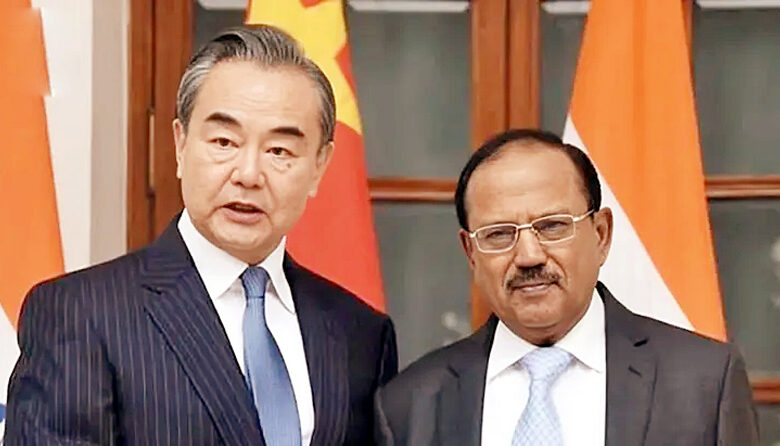
New Delhi: India-China relations appear to be entering a new diplomatic phase after years of military tensions along the Line of Actual Control (LAC). The 25th round of talks between the Special Representatives in Beijing has generated fresh diplomatic interest, with National Security Adviser Ajit Doval meeting Chinese Foreign Minister Wang Yi at a sensitive stage in bilateral relations.
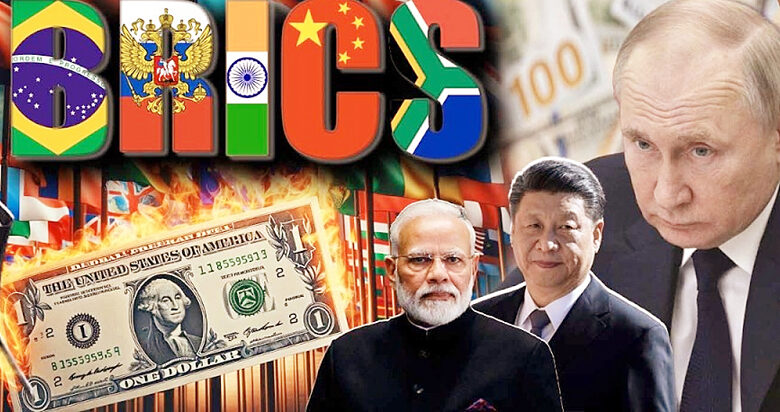
The high-level engagement comes as India prepares to host the BRICS Summit in September 2026, with Chinese President Xi Jinping expected to attend. Against this backdrop, New Delhi’s position remains that lasting normalisation of bilateral ties must be accompanied by durable peace and stability along the border.

The central question now is whether the two countries can move beyond managing tensions towards a more permanent resolution of their boundary differences.
Two Different Approaches to the Border Dispute
The Beijing discussions have highlighted a fundamental difference in the approaches of the two sides. China has traditionally favoured incremental agreements, often described as an “early harvest” approach, under which relatively less contentious issues are addressed first while more difficult disputes are left for subsequent negotiations.
India, however, has increasingly argued for a comprehensive approach covering the entire LAC. New Delhi remains wary of piecemeal arrangements that could leave unresolved ambiguities and create the possibility of renewed tensions.
The 2020 Galwan Valley clash fundamentally altered India’s approach to China. Since then, India has significantly strengthened its military preparedness and border infrastructure, while maintaining diplomatic channels to manage tensions.
India Strengthens Border Preparedness
Indian forces have expanded surveillance and technological capabilities along the LAC, including the use of satellite-based monitoring, drones and advanced imaging systems. At the same time, extensive infrastructure development by the Border Roads Organisation has improved access to remote and strategically important areas.
All-weather roads, bridges and tunnels have enhanced the ability to move troops, equipment and supplies rapidly towards forward areas. The improved infrastructure and military preparedness have also strengthened India’s negotiating position in discussions with Beijing.
However, concerns remain over China’s continuing military and infrastructure development in the Tibet Autonomous Region. Reports of new military facilities, helipads, border settlements and dual-use infrastructure near the LAC continue to be closely monitored by Indian authorities.
For New Delhi, the challenge lies in ensuring that diplomatic assurances are matched by developments on the ground.

Economic Interdependence Remains a Challenge
The border dispute has not prevented economic engagement between the two countries. India continues to rely heavily on Chinese imports in several critical sectors, including pharmaceutical ingredients, electronics, solar equipment and industrial machinery.
This dependence remains a significant concern despite efforts under the “Atmanirbhar Bharat” initiative and Production Linked Incentive schemes to strengthen domestic manufacturing.
The widening trade imbalance has also become an important element of the broader bilateral relationship. India has increasingly sought to diversify supply chains and reduce strategic dependence on China, while maintaining economic engagement where necessary.
BRICS Summit Could Provide Diplomatic Opportunity
The BRICS Summit in New Delhi in September could provide an important diplomatic platform for the two countries. The potential presence of President Xi could create an opportunity for the leaderships of India and China to assess the progress made on border issues and the broader relationship.
For India, however, the summit is unlikely to replace the need for concrete progress on the LAC. New Delhi’s objective is expected to remain focused on restoring confidence through verifiable measures rather than relying solely on political statements.
India’s broader strategy is likely to involve maintaining military preparedness along the border, strengthening strategic partnerships with countries including the Quad members, and accelerating domestic economic and technological capabilities.
From Tension Management to a Long-Term Settlement
The future trajectory of India-China relations will ultimately depend on how commitments reached through diplomatic channels are implemented on the ground. The experience of the past six years has reinforced the importance of verification, transparency and sustained communication.
A stable relationship between the two Asian powers is important for regional and global stability. At the same time, any durable peace will require mutual respect for sovereignty, territorial integrity and established mechanisms for managing the boundary dispute.
The latest round of talks therefore represents not an end to the India-China border question, but a potential opening for a more structured diplomatic process. For New Delhi, maintaining a balance between diplomatic engagement, economic resilience and military preparedness will remain central to navigating the next phase of the relationship.