A sophisticated fake raid operation targeting residents has been dismantled by Delhi Police, revealing a sprawling network that may have victimized people across multiple cities
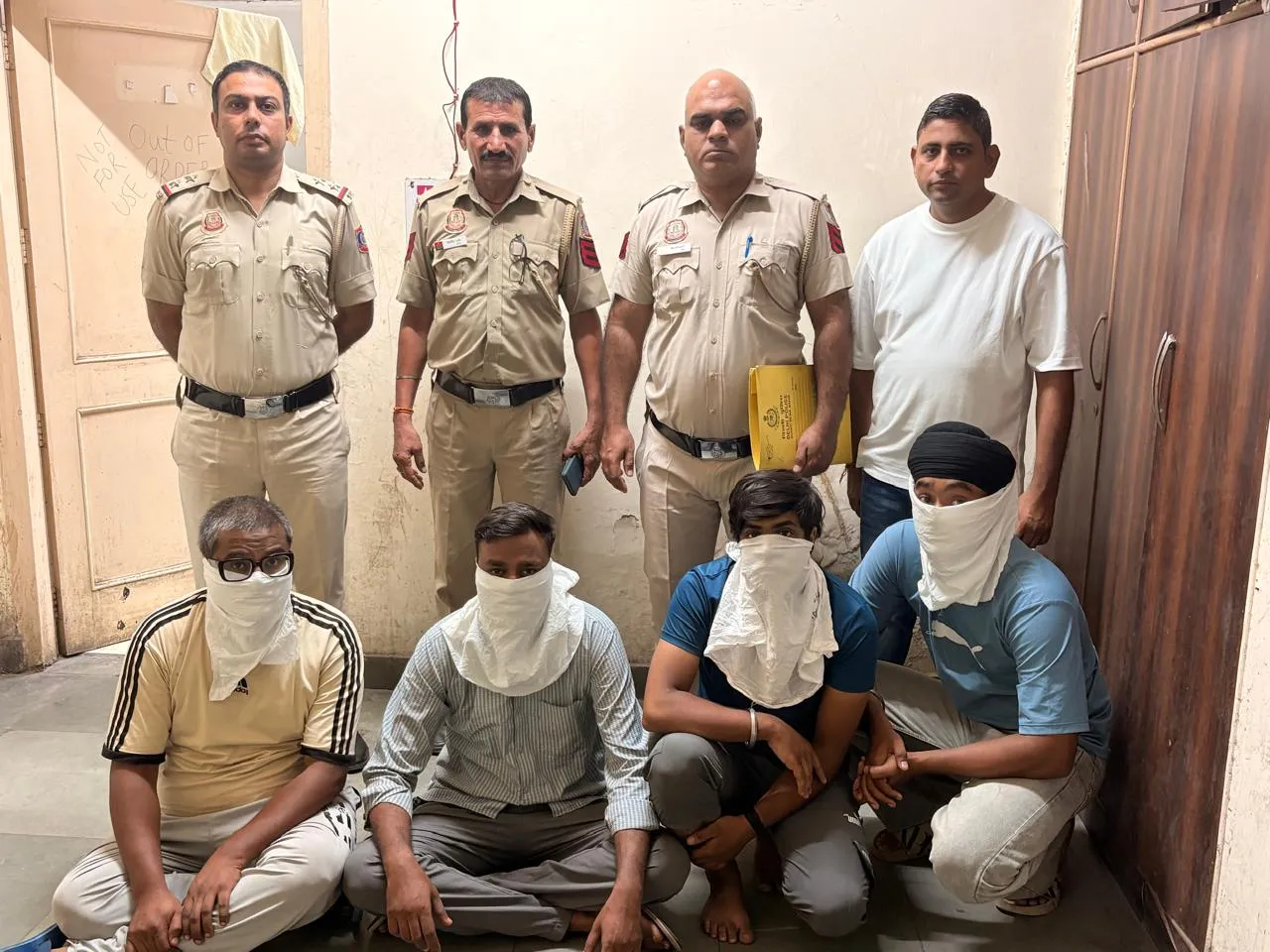
New Delhi — What started as an alarming home intrusion turned into the unwinding of an elaborate criminal enterprise. Delhi Police in the Rohini district have arrested seven individuals accused of impersonating Central Bureau of Investigation (CBI) officials and executing fake raids to intimidate and extort residents.

The operation, which appears to have been running for three to four months, deployed sophisticated tactics including forged identity cards, fake government notices, and coordinated teams to simulate official government raids at private residences in Delhi and possibly Mumbai.
A Frightening Home Encounter
The investigation began when Pratham Aggarwal, a resident of Prashant Vihar in Delhi, reported a disturbing incident at his home. On the day in question, approximately eight people—six men and two women—showed up at his residence claiming to be CBI officials conducting a raid.
“They displayed what appeared to be CBI identity cards and demanded immediate entry,” Aggarwal explained to police. When he and his mother asked to see proper authorization documents or a search warrant, the group became aggressive, threatening and intimidating them.
For roughly an hour and a half, the visitors remained outside the residence, creating an atmosphere of fear and dread. It wasn’t until concerned neighbors intervened that the group claimed they needed to retrieve a notice from their vehicle and left the scene. Shortly after, a forged CBI notice was sent to Aggarwal’s father’s phone, which he later shared with authorities.
The moment he called the police emergency line, the wheels of investigation were set in motion.
Unraveling the Network
Through CCTV footage analysis, digital evidence examination, and sustained investigation, Delhi Police identified and arrested the individuals involved. What emerged was a structured criminal network with distinct roles and clear operational procedures.
The Masterminds:
Asifa, 29, a native of Jammu and Kashmir, served as a key organizer. Investigators found that she had cultivated relationships with people claiming police and army backgrounds, lending her operations an air of authenticity. She had crossed paths with Kuldeep Sharma about eight months earlier at a family wedding, where she and another accomplice, Pooja, introduced themselves as individuals connected to the CBI.
Pooja Aggarwal, a former singer who had worked at bars and restaurants, became Asifa’s partner in crime. She had met Asifa while both were employed at a restaurant in Karol Bagh and coordinated the impersonation scheme with her. In the present case, she leveraged family connections by reaching out to her brother-in-law, Chander Prakash, to assemble a team for the fake raid.
The Inside Source:
Kuldeep Sharma, 63, a retired banker who had worked with SBI and ING Vysya Bank, played a crucial role. Through his banking career, he had become familiar with the complainant and knew details about his residence, financial situation, and potential valuables. According to police, he provided precisely this kind of intelligence to Asifa and Pooja after meeting them at the family wedding.

The Execution Team:
Chander Prakash Sharma, 38, a former electronics repairman, became the logistics coordinator. When his sister-in-law Pooja asked him to arrange people for the impersonation operation, he complied and arrived at the scene with accomplices including someone known as Bablu and two Sikh men.
The ground-level operators—Shubham (alias Golu), 25; Rajveer Singh, 21; and Nitin Sharma, 30—were hired hands who were paid per fake raid they participated in. All three were contacted by Chander Prakash to join the operations and subsequently arrested with mobile phones in their possession.
How the Scheme Worked
The modus operandi was chillingly efficient. The network would identify targets, gather intelligence about their residences and financial status, then dispatch a team dressed and equipped to look like government officials. They would display forged CBI identity cards or other fake government documents, demand entry by claiming to conduct an official raid, and intimidate the residents into either opening their homes or handing over cash and valuables.
When residents questioned their authority or asked for warrants—as Aggarwal wisely did—the team would escalate their intimidation tactics and remain at the scene for extended periods, creating psychological pressure.
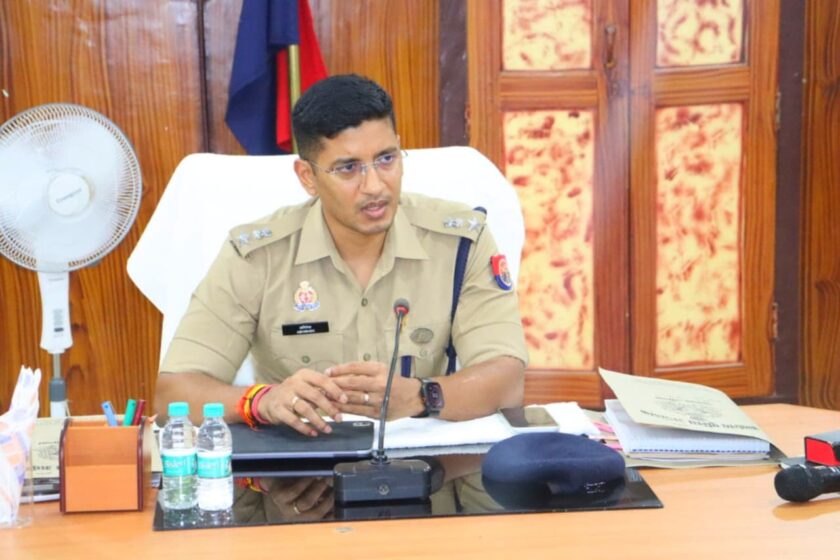
“The accused persons allegedly adopted a specific approach of impersonating CBI officials, approaching selected persons, displaying purported identity cards or documents, and conducting or attempting to conduct fake raids or searches with the intention of intimidating the targets and obtaining money or valuables,” explained DCP (Rohini) Shashank Jaiswal.
A Larger Problem
The investigation has uncovered disturbing evidence suggesting this was far from an isolated operation. Eight mobile phones seized from the accused contained screenshots of purported fake identity cards, along with videos indicating that the group may have conducted multiple similar raids at different locations in both Delhi and Mumbai. The videos suggest they didn’t just impersonate CBI officials—they also posed as Enforcement Directorate (ED) personnel and other government agency representatives.
Investigators have recovered CBI-branded clothing and digital evidence that points to a much larger network than initially apparent. The precise roles of several accused members are still being verified through detailed analysis of CCTV footage, technical surveillance, call detail records, and digital material.
Ongoing Investigation
Police emphasize that the investigation is far from over. The complete network of conspirators, other potential victims, financial transactions, and the source of the forged documents remain under active investigation. The department is appealing to anyone who may have fallen victim to similar fake raids to come forward.
“Citizens should remain vigilant,” advised DCP Jaiswal. “Always insist on proper identification and ask to verify official status through official channels before allowing anyone access to your home. Real government agencies will have proper documentation and follow established protocols.”
The case serves as a stark reminder of how sophisticated modern criminal schemes have become—and how important it is for residents to remain cautious, even when faced with apparently official-looking credentials.