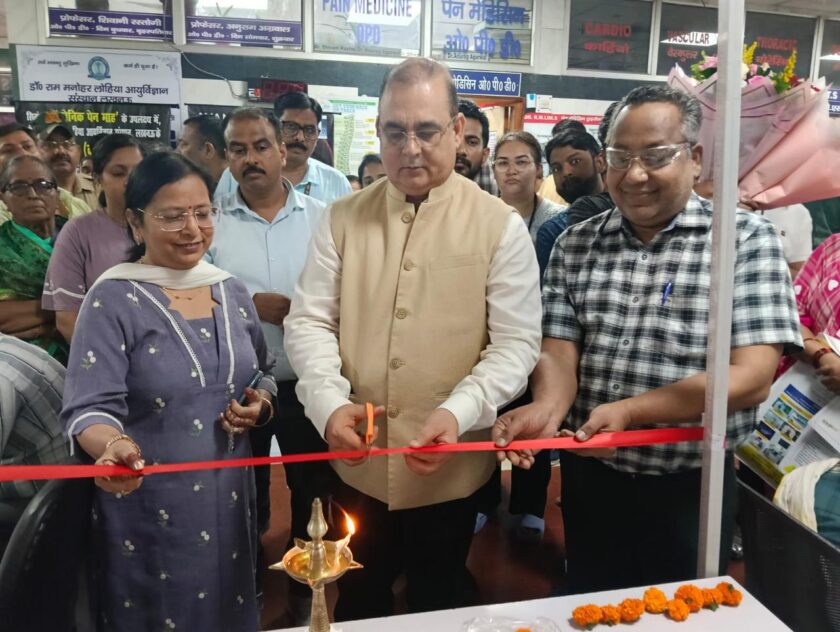
Raebareli: AIIMS Raebareli observed World Patient Safety Day 2026 by organising an awareness programme on the theme “Safe Care for Non-Communicable Diseases” at the Cardiology OPD. The programme was organised by the Quality Cell of the Department of Hospital Administration to highlight the importance of patient safety in the prevention, diagnosis and management of non-communicable diseases (NCDs), particularly cardiovascular and other chronic conditions.
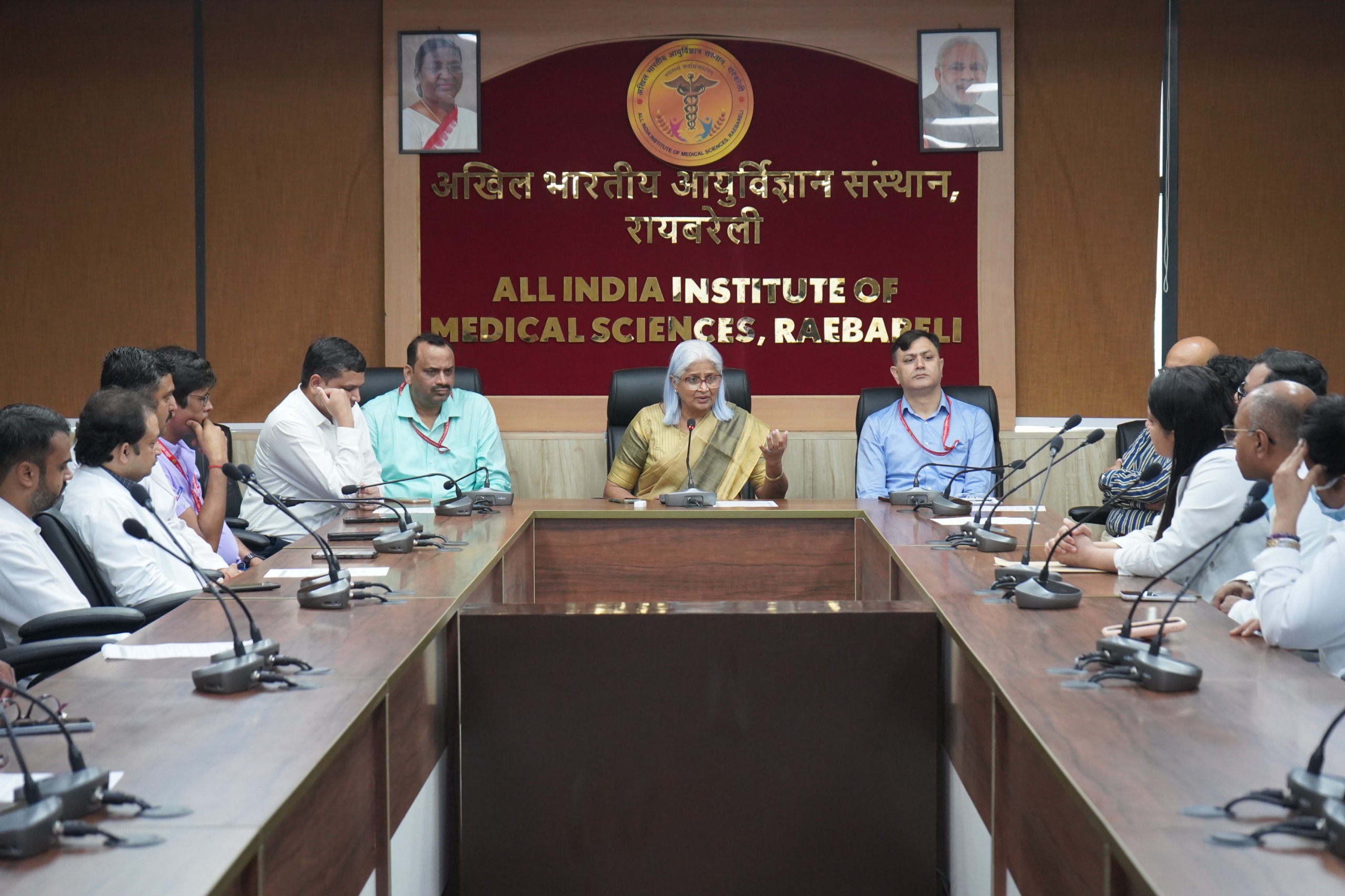
Executive Director Dr Amita Jain inaugurated the programme from the board room and emphasised the need to strengthen a culture of patient safety across the institution. She said awareness among patients and healthcare workers plays an important role in improving the quality and safety of care for people living with NCDs and in reducing preventable harm.

The programme brought together patients, attendants, healthcare professionals and students. Cardiologist Dr Ashish Jain spoke about the importance of safe and timely cardiac care, adherence to prescribed treatment, regular follow-ups, lifestyle modifications and active patient participation in healthcare decisions.
Dr Suyash Singh highlighted patient safety in the management of chronic and neurological illnesses. He stressed the importance of recognising warning signs early, seeking timely medical advice, following medication schedules and preventing avoidable complications.


Additional Medical Superintendent Dr Neeraj Kumar Srivastava said patient safety is a collective responsibility involving patients, attendants and healthcare workers across all categories. He stressed effective communication, adherence to standard protocols and continuous quality improvement to ensure safer healthcare delivery.
As part of the awareness activities, nursing students presented a skit in the Cardiology OPD depicting common patient-safety situations associated with NCD care. The presentation highlighted medication adherence, accurate communication of medical information, recognition of warning signs, follow-up care and active patient participation in healthcare decisions.
The programme concluded with a reaffirmation of AIIMS Raebareli’s commitment to strengthening patient-safety practices and ensuring safe, patient-centred and quality healthcare for people living with non-communicable diseases.









 https://www.youtube.com/watch?si=RtToJsBhYBatUrym&v=mOuYNSdhjHA&feature=youtu.be