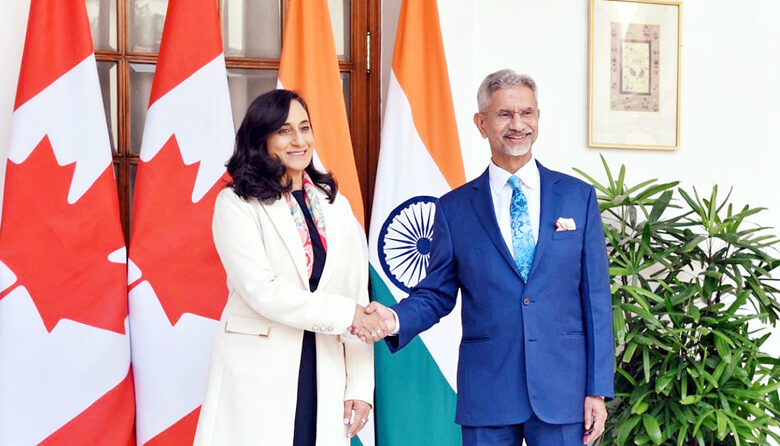
New Delhi: As the upcoming BRICS Summit approaches, a key diplomatic question is whether member countries will be able to set aside their differences and unite around a common agenda. The challenge has gained prominence following the BRICS Foreign Ministers’ Meeting held under India’s chairmanship in May, where efforts to reach consensus on a joint communique failed.
BRICS traditionally operates through consensus-based decision-making. However, the disagreements at the ministerial meeting highlighted the growing complexity within the grouping as its membership expands and countries bring increasingly diverse strategic interests to the table.

West Asia Dispute Exposes Differences
The May meeting witnessed sharp differences over sensitive issues, including the situation in West Asia, the Palestine question and maritime security in the Red Sea.
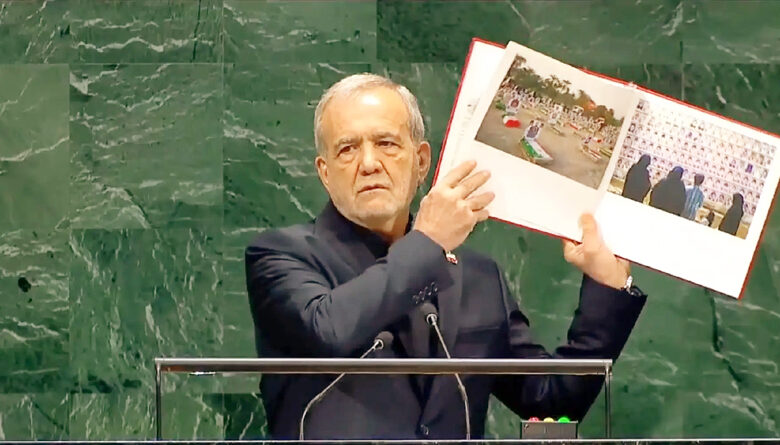
A notable divergence emerged between Iran and the United Arab Emirates over the language to be used on the ongoing conflict in West Asia. Iran reportedly sought stronger wording, while the UAE and some other members raised objections.
Iran also opposed certain provisions concerning Palestine and the Red Sea. The differences prevented the member countries from agreeing on a joint statement, prompting India to issue a chair’s statement instead of a joint communique.
The episode underlined the difficulties of maintaining a unified position on contentious international issues within an enlarged BRICS grouping.
Expanded Membership Adds Diplomatic Complexity
Following its expansion, BRICS now includes Brazil, Russia, India, China and South Africa, along with Egypt, Ethiopia, Iran, the United Arab Emirates and Indonesia.
The grouping represents a significant share of the world’s population and economy. Yet, its members are linked to different strategic partnerships, political priorities and regional interests, making consensus on sensitive global issues more difficult.
The divergence in positions on West Asia demonstrates how competing national interests can complicate efforts to present a united diplomatic front.

India’s Balancing Act Under Scrutiny
As the current BRICS chair, India faces the difficult task of maintaining diplomatic balance among members while advancing the organisation’s shared priorities.
During its chairmanship, India has emphasised flexibility, innovation, cooperation and sustainability, with a focus on strengthening the voice of the Global South. Economic and technological cooperation have also remained important areas of focus.
Against the backdrop of the continuing West Asia conflict and growing global polarisation, India will need to ensure that BRICS does not emerge as a bloc aligned with one side of a geopolitical confrontation.
Instead, the grouping’s credibility will depend on its ability to remain an effective platform for advancing the economic and shared interests of developing countries.
Summit to Test BRICS Unity
The upcoming summit is expected to provide an important test of whether BRICS members can bridge their differences and agree on a meaningful common agenda.
For India, the challenge will be to reconcile divergent positions without allowing disagreements on contentious geopolitical issues to overshadow cooperation in areas such as development, technology and economic growth.
The outcome could shape perceptions of BRICS as an increasingly influential voice of the Global South—and determine how effectively the expanded grouping can convert its collective economic and political weight into coordinated action.