Specialists Stress Early Detection, Healthy Lifestyle, and Public Awareness to Prevent Cirrhosis and Liver Cancer
Lucknow: The Department of Hepatology at Sanjay Gandhi Postgraduate Institute of Medical Sciences marked Global MASH Day 2026 with a comprehensive awareness and academic programme aimed at highlighting the growing burden of fatty liver disease and promoting preventive healthcare measures.
Formerly known as NASH (Non-Alcoholic Steatohepatitis), the condition is now referred to as MASH (Metabolic Dysfunction-Associated Steatohepatitis). Global MASH Day is observed annually on the second Thursday of June to raise awareness about fatty liver disease, one of the fastest-growing health challenges worldwide.

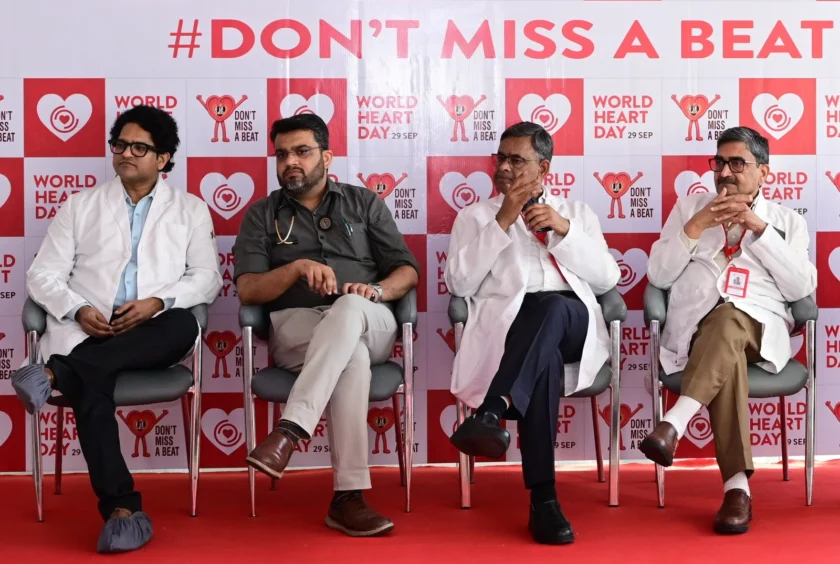
The event was inaugurated by Prof. Shaleen Kumar, Dean, SGPGIMS, in the presence of Prof. Amit Goel, Head, Department of Hepatology, SGPGIMS; Prof. Sumit Rungta, Head, Department of Gastroenterology, King George’s Medical University (KGMU), Lucknow; Prof. Devesh Yadav, Head, Department of Gastroenterology, Institute of Medical Sciences, Banaras Hindu University (IMS-BHU); and Prof. Vinay Kumar, Head, Department of Gastroenterology, GSVM Medical College, Kanpur.
Addressing the gathering, the experts highlighted the alarming rise of fatty liver disease in India. They noted that nearly one in every three Indians is estimated to be affected by fatty liver disease, making it a major public health concern.
The speakers emphasized that obesity and diabetes are the leading risk factors for the disease. With India already carrying one of the world’s highest burdens of diabetes and obesity, experts cautioned that the country could soon emerge as a global hotspot for fatty liver disease as well.
Particular emphasis was placed on the importance of early diagnosis and timely intervention, which can prevent the progression of fatty liver disease into more serious conditions such as liver cirrhosis, liver failure, and liver cancer.
Speaking on the occasion, Padma Shri Prof. R. K. Dhiman, Director, SGPGIMS, explained that MASH is largely a lifestyle-related disorder, although genetic factors and certain medical conditions can also contribute to its development.
He noted that excess body weight, poor dietary habits, and a sedentary lifestyle remain the primary contributors to the disease. Maintaining a healthy weight, engaging in regular physical activity, and consuming a balanced diet rich in fruits, vegetables, and whole grains are among the most effective measures for preventing and managing the condition.

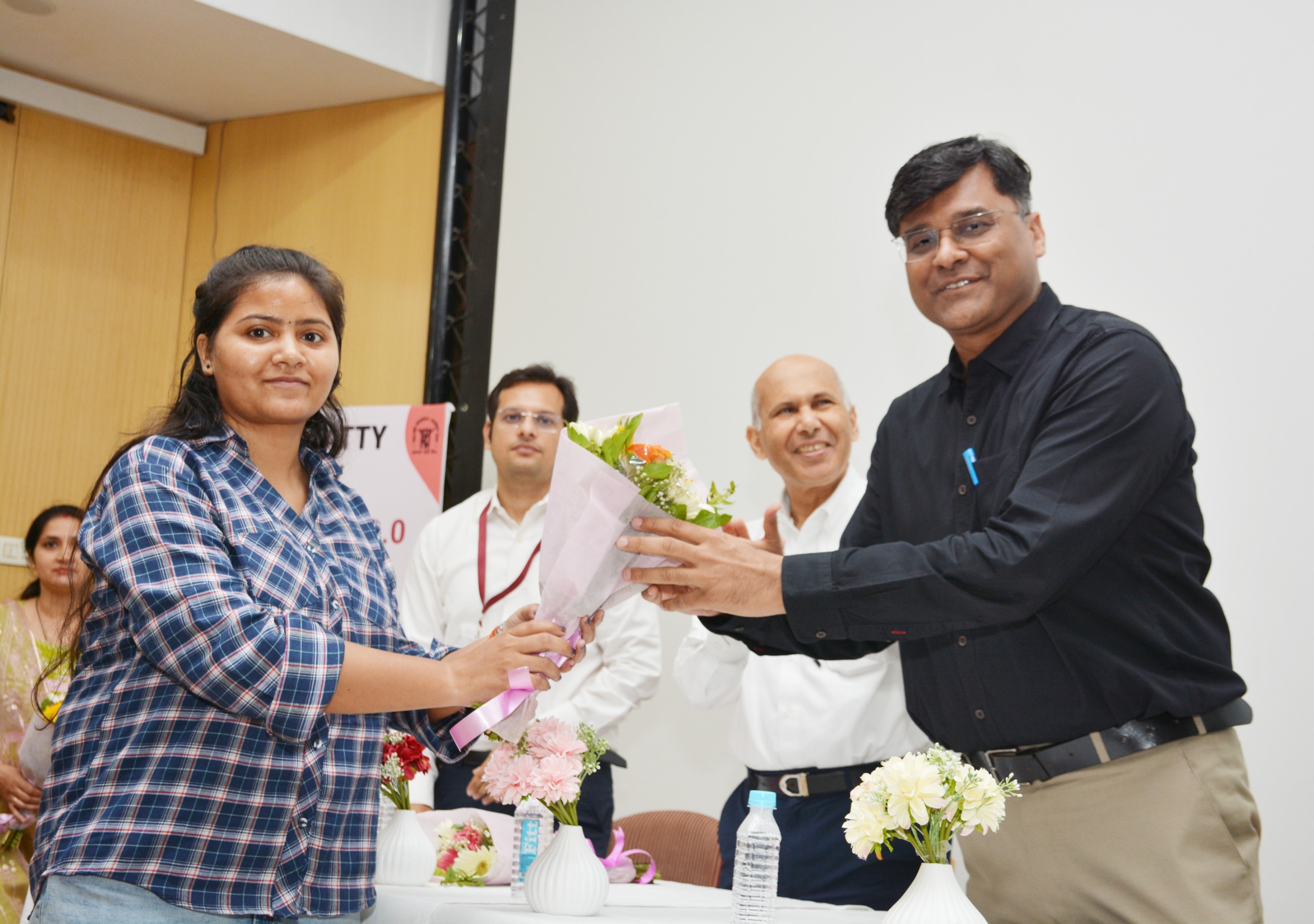
As part of the observance, a Postgraduate Quiz Competition was organized by Dr. Ajay Kumar Mishra and Dr. Surender Singh, Assistant Professors, Department of Hepatology. The academic exercise witnessed enthusiastic participation from more than 100 young physicians from across Uttar Pradesh.
The programme also included hands-on training sessions focusing on the diagnosis, evaluation, and management of fatty liver disease, particularly MASH. Participants received practical exposure to current approaches in disease assessment and treatment.
The scientific sessions featured keynote lectures by leading hepatology and gastroenterology experts, including Prof. Sumit Rungta and Prof. Vinay Kumar, who discussed the latest advances in understanding and managing Metabolic Dysfunction-Associated Steatotic Liver Disease (MASLD) and MASH.
The experts underscored that lifestyle modifications remain the cornerstone of treatment and that the disease can often be reversed through sustained improvements in diet, exercise, and overall metabolic health.
Held at the Telemedicine Lecture Theatre of SGPGIMS, the event combined academic discussions, awareness activities, practical training, and interactive learning opportunities for healthcare professionals.
The observance of Global MASH Day reinforced the urgent need for greater public awareness about fatty liver disease and highlighted the role of preventive healthcare in reducing its growing impact. Organizers emphasized that coordinated efforts involving healthcare providers, policymakers, and the public are essential to promoting liver health and tackling the rising burden of liver diseases in India.
The Department of Hepatology reiterated its commitment to advancing awareness, education, early detection, and evidence-based management strategies to improve liver health outcomes and reduce the long-term impact of MASH and related metabolic liver disorders.