New Delhi— The 14th Delhi Literature Festival (DLF) 2026 concluded successfully on Saturday at the IGNCA Amphitheatre, Janpath, bringing to a close three vibrant days of literary, cultural and intellectual engagement. Held from February 6 to 8, the festival resonated strongly with its theme “Sahitya, Sanskriti aur Samriddhi” (Literature, Culture, and Prosperity), reaffirming the enduring role of literature in shaping society and thought.
Since its inception in 2013, the Delhi Literature Festival has grown into a prominent platform for dialogue and exchange. This year’s edition attracted enthusiastic participation from readers, writers, thinkers, policymakers and cultural enthusiasts, with daily sessions running from 2:00 PM to 8:00 PM. The programme featured a rich blend of panel discussions, book readings and launches, poetry recitals, live music and theatre performances, workshops, and intimate author conversations, seamlessly bridging contemporary discourse with India’s civilisational heritage.

Day 1: February 6 — Opening Reflections and Author Awards
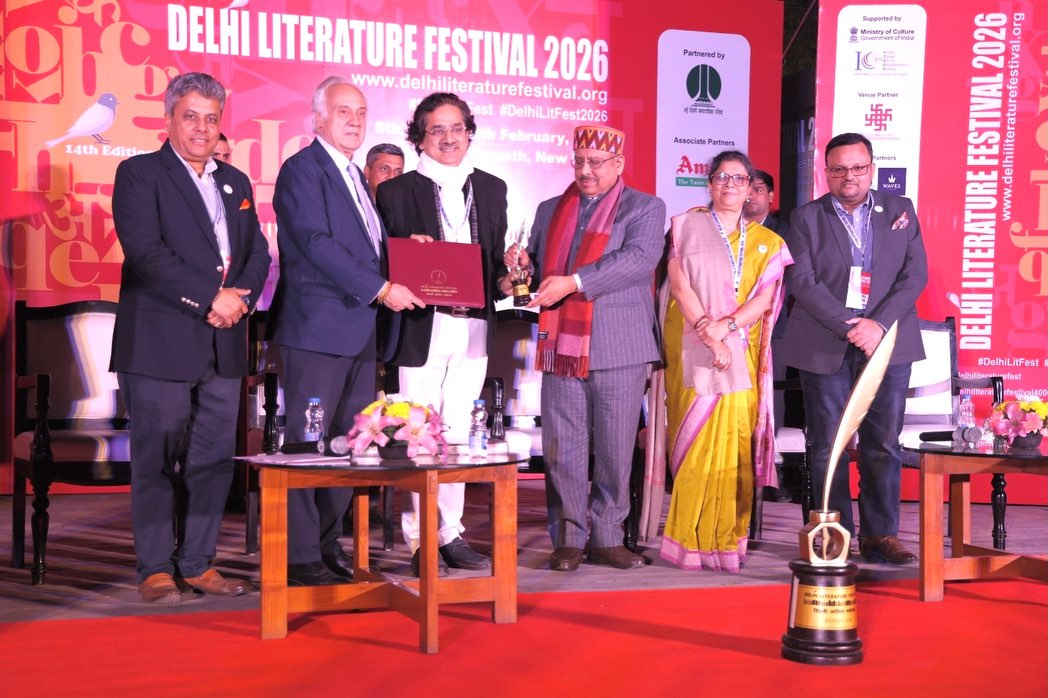
The festival opened on a high note on February 6, presided over by Delhi Assembly Speaker Vijender Gupta, who underlined the importance of literature in sustaining democratic values, critical thinking and cultural preservation. A special tribute session titled “Kewal Jaadein Hain”, held in memory of departed literary figures, set a reflective yet celebratory tone for the festival.
A key highlight of the opening day was the Delhi Literature Festival & Author Awards 2026, where excellence in literature was recognised across 13 categories. The awards celebrated both emerging and established voices, reinforcing the festival’s commitment to inclusivity and literary diversity. Founder Director Ajay Sharma described the 2026 edition as “bigger than ever,” while Programme Director Kunal Gupta spoke about the festival’s evolution into a space for meaningful and timely conversations. The day also featured author interactions, book launches and cultural performances that set the stage for the days ahead.
Day 2: February 7 — Conversations that Sparked Thought
Day 2 witnessed packed audiences and high engagement as sessions delved deeper into the intersections of literature, society, politics, history and the arts. Thought-provoking panels examined cultural heritage, contemporary storytelling and social change, while poetry recitals and live performances added emotional resonance to the discussions.

Workshops offered hands-on creative experiences for aspiring writers, and intimate conversations with acclaimed authors brought fresh narratives to life. The crisp winter ambience of the capital complemented the festival’s energy, with attendees staying back for post-session interactions. Social media buzz highlighted the festival’s diversity of voices and its successful blend of tradition with modern perspectives, making February 7 a standout day for intellectual stimulation and community building.
Day 3: February 8 — A Meaningful Conclusion
The final day, February 8, concluded the festival on a reflective and impactful note. Closing sessions revisited the core ideas of the theme, focusing on how literature nurtures cultural continuity and contributes to prosperity. The day featured concluding panel discussions, poetry and performance segments, and thoughtful reflections on the power of words to inspire unity and progress.
Over three days, the festival hosted a wide range of authors, poets, artists, jurists and thinkers from India and abroad, creating conversations that extended beyond books to influence perspectives and public discourse. Organisers reported strong attendance and overwhelmingly positive feedback, with many participants describing the festival as a reclaiming of intellectual and cultural dialogue in the heart of the capital.
As the 14th Delhi Literature Festival draws to a close, its impact continues through the ideas exchanged and connections forged. Once again, the festival reaffirmed its place as a cornerstone of India’s literary calendar—where words not only entertain, but also inspire reflection, progress and unity.