By Special Correspondent

New Delhi: Political defections have long been a recurring feature of Indian politics. Leaders and Members of Parliament frequently switch allegiances due to changing political equations, personal ambitions, or ideological differences. As defections continue to shape the political landscape across states and at the national level, a key question emerges: will rebel MPs who join the ruling party be rewarded with election tickets in the next polls?
Political observers note that ticket distribution is rarely based on loyalty alone. Electoral viability, public support, caste and regional equations, and broader party strategy play decisive roles. Ruling parties often welcome influential defectors who can strengthen their prospects in key constituencies. Consequently, rebel MPs with a strong voter base and proven electoral appeal may find themselves well-positioned to secure nominations.
However, accommodating newcomers is not without risks. Long-serving party workers and local leaders may resent being sidelined in favor of recent entrants. Such discontent can weaken organizational unity and, in some cases, affect electoral performance. Political parties therefore face the challenge of balancing the interests of established cadres with the perceived benefits of inducting influential defectors.

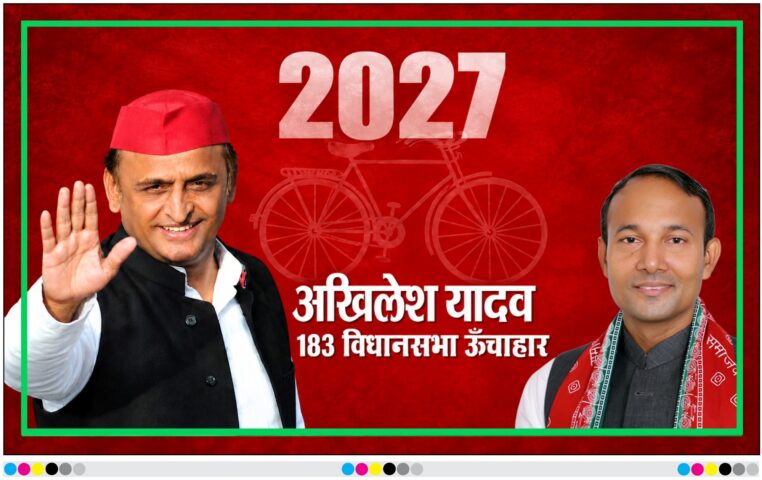
For rebel MPs, joining a new party does not automatically guarantee political advancement. They must establish credibility within the new organization, align with its ideology, and gain acceptance among party workers. Leadership may still deny a ticket if internal assessments suggest another candidate offers a better chance of victory.
The growing trend of defections has also sparked broader concerns about democratic ethics and public trust. Voters often cast their ballots not only for individual candidates but also for the parties and ideologies they represent. Frequent shifts in political allegiance can therefore raise questions about commitment, accountability, and respect for the electoral mandate.
Analysts argue that a healthy democracy depends on principles, transparency, and public service rather than political opportunism. While the decision to grant tickets to rebel MPs will ultimately depend on electoral calculations and organizational considerations, many believe that political parties should prioritize merit, ideological commitment, and service to the people.
As India’s democracy continues to evolve, the debate over defections highlights a larger challenge: maintaining public confidence in political institutions. Strengthening democratic values, ensuring accountability, and placing public welfare above personal ambition remain essential for preserving the integrity of the political process.












 https://www.youtube.com/watch?si=RtToJsBhYBatUrym&v=mOuYNSdhjHA&feature=youtu.be