Will the Mecca Deal Transform West Asia or Become a Paper Alliance?
mecca agreement, saudi arabia, turkey, pakistan, west asia, middle east, defence agreement, military alliance, islamic nato, collective defence, regional security, geopolitical tensions, iran, saudi iran relations, turkey foreign policy, pakistan military, pakistan nuclear weapons, saudi defence strategy, middle east security, gulf security, strait of hormuz, energy security, maritime security, india, india saudi relations, india pakistan relations, defence cooperation, military strategy, regional power, strategic deterrence, nato, defence industry, drone technology, military spending, oil security, global energy markets, west asia geopolitics, middle east geopolitics, strategic alliance, international relations, regional stability, ajay kumar

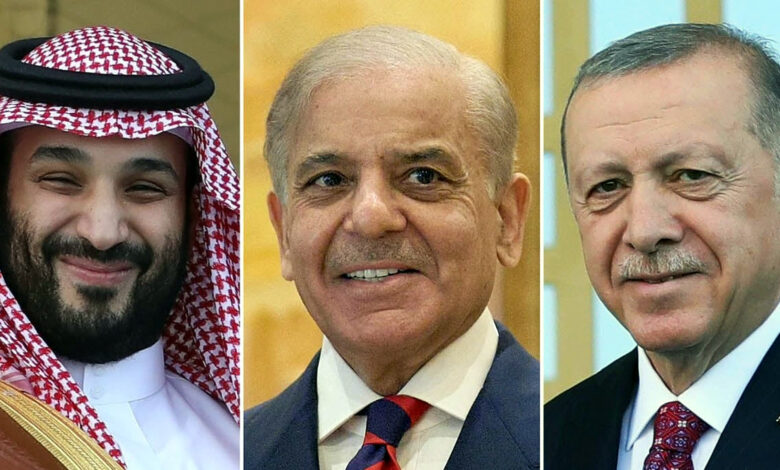
Qatar: The joint defence agreement signed by Saudi Arabia, Türkiye and Pakistan in Mecca is more than a three-country military partnership. It signals a changing strategic landscape in West Asia, where traditional security arrangements are being challenged and new centres of power are emerging. The most significant provision of the agreement is its collective-defence principle: an armed attack on any one of the three countries would be considered an attack on all three. On paper, the arrangement appears formidable. The real question, however, is whether Riyadh, Ankara and Islamabad would…

Read More

Ukraine’s Defence Strategy in the Russia–Ukraine War: From Survival to Strategic Attrition

ukraine, russia ukraine war, ukraine defence strategy, russian invasion, military strategy, ukrainian military, russian military, drone warfare, drone technology, fpv drones, electronic warfare, air defence, layered defence, battlefield strategy, deep strikes, long range drones, precision strikes, military innovation, defence technology, robotics, unmanned systems, military logistics, strategic attrition, asymmetric warfare, defence industry, ukrainian defence industry, western military aid, nato support, frontline warfare, modern warfare, military technology, russian logistics, counter drone warfare, strategic defence, active defence, geopolitical conflict, european security, ukraine war analysis, war strategy, defence analysis

Kyiv: Ukraine’s defence strategy has undergone a remarkable transformation since Russia launched its full-scale invasion in February 2022. What began as a strategy of national survival and territorial defence has evolved into a much more sophisticated model combining layered defence, drone warfare, precision strikes, electronic warfare, decentralised innovation and attacks on Russia’s military infrastructure. The central problem for Ukraine remains stark: Russia has greater manpower, larger industrial capacity and greater quantities of artillery, missiles and other conventional military resources. Kyiv therefore cannot simply mirror Moscow’s approach. Instead, Ukraine has increasingly…

Read More

Uttar Pradesh’s Mission 2027: Yogi Government’s Gen-Z Plan and the Politics of Youth

uttar pradesh mission 2027, yogi adityanath, yogi government, gen-z plan, uttar pradesh youth policy, integrated youth policy, up assembly elections 2027, mission 2027 uttar pradesh, youth voters, gen z voters, millennials, youth employment, employment in uttar pradesh, government jobs, transparent examinations, paper leaks, skill development, ai skills, artificial intelligence, robotics, cybersecurity, drone technology, data analytics, semiconductor technology, entrepreneurship, mukhyamantri yuva udyami vikas abhiyan, mukhyamantri abhyudaya coaching scheme, youth empowerment, digital education, youth entrepreneurship, uttar pradesh politics, bjp uttar pradesh, samajwadi party, congress, youth and politics, future of uttar pradesh, up political strategy, youth policy india, technology and jobs, sports infrastructure, career opportunities, human resource hub, innovation hub india

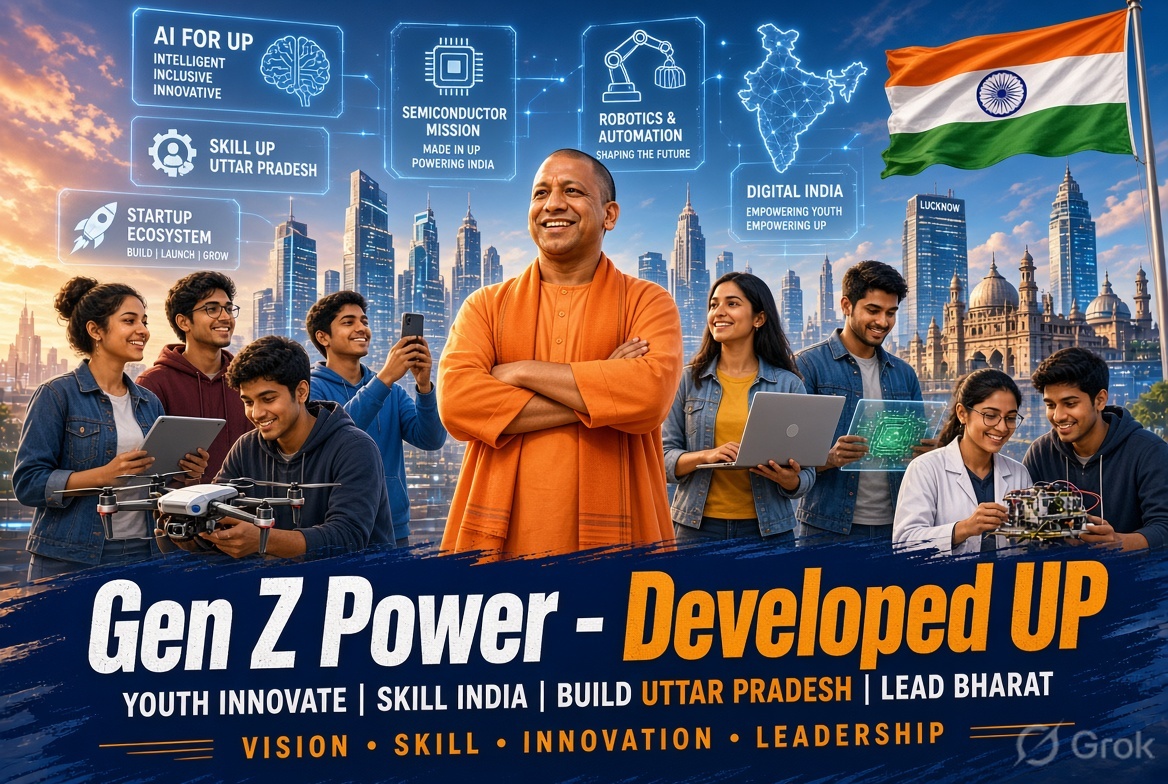
Uttar Pradesh’s Mission 2027: Yogi Government’s Gen-Z Plan and the Politics of Youth Lucknow: As Uttar Pradesh moves towards the 2027 Assembly elections, the state’s political discourse is increasingly focusing on a demographic force that could play a decisive role at the ballot box: young voters.The Yogi Adityanath government is preparing an integrated youth policy aimed at addressing the aspirations of people between 16 and 35 years of age, including students, researchers, young professionals and entrepreneurs. The proposed policy, being described as a “Gen-Z Plan”, places employment, skill development, technology,…

Read More