
Will the Mecca Deal Transform West Asia or Become a Paper Alliance?
mecca agreement, saudi arabia, turkey, pakistan, west asia, middle east, defence agreement, military alliance, islamic nato, collective defence, regional security, geopolitical tensions, iran, saudi iran relations, turkey foreign policy, pakistan military, pakistan nuclear weapons, saudi defence strategy, middle east security, gulf security, strait of hormuz, energy security, maritime security, india, india saudi relations, india pakistan relations, defence cooperation, military strategy, regional power, strategic deterrence, nato, defence industry, drone technology, military spending, oil security, global energy markets, west asia geopolitics, middle east geopolitics, strategic alliance, international relations, regional stability, ajay kumar

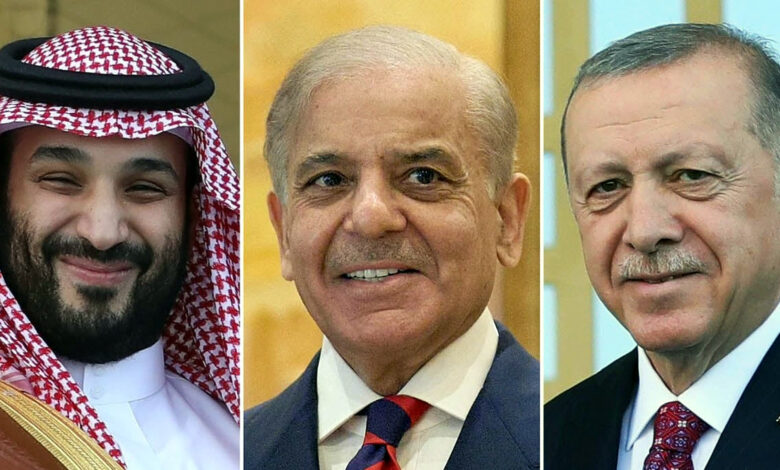
Qatar: The joint defence agreement signed by Saudi Arabia, Türkiye and Pakistan in Mecca is more than a three-country military partnership. It signals a changing strategic landscape in West Asia, where traditional security arrangements are being challenged and new centres of power are emerging. The most significant provision of the agreement is its collective-defence principle: an armed attack on any one of the three countries would be considered an attack on all three. On paper, the arrangement appears formidable. The real question, however, is whether Riyadh, Ankara and Islamabad would…

Read More