
Will the Mecca Deal Transform West Asia or Become a Paper Alliance?
mecca agreement, saudi arabia, turkey, pakistan, west asia, middle east, defence agreement, military alliance, islamic nato, collective defence, regional security, geopolitical tensions, iran, saudi iran relations, turkey foreign policy, pakistan military, pakistan nuclear weapons, saudi defence strategy, middle east security, gulf security, strait of hormuz, energy security, maritime security, india, india saudi relations, india pakistan relations, defence cooperation, military strategy, regional power, strategic deterrence, nato, defence industry, drone technology, military spending, oil security, global energy markets, west asia geopolitics, middle east geopolitics, strategic alliance, international relations, regional stability, ajay kumar

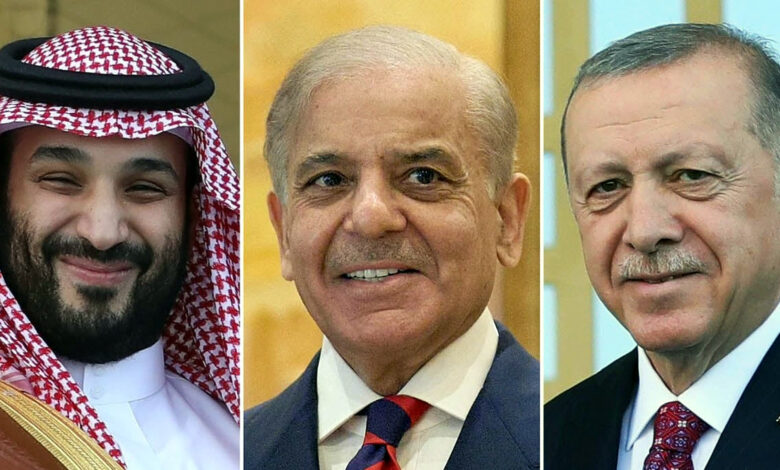
Qatar: The joint defence agreement signed by Saudi Arabia, Türkiye and Pakistan in Mecca is more than a three-country military partnership. It signals a changing strategic landscape in West Asia, where traditional security arrangements are being challenged and new centres of power are emerging. The most significant provision of the agreement is its collective-defence principle: an armed attack on any one of the three countries would be considered an attack on all three. On paper, the arrangement appears formidable. The real question, however, is whether Riyadh, Ankara and Islamabad would…

Read More

Ukraine’s Defence Strategy in the Russia–Ukraine War: From Survival to Strategic Attrition

ukraine, russia ukraine war, ukraine defence strategy, russian invasion, military strategy, ukrainian military, russian military, drone warfare, drone technology, fpv drones, electronic warfare, air defence, layered defence, battlefield strategy, deep strikes, long range drones, precision strikes, military innovation, defence technology, robotics, unmanned systems, military logistics, strategic attrition, asymmetric warfare, defence industry, ukrainian defence industry, western military aid, nato support, frontline warfare, modern warfare, military technology, russian logistics, counter drone warfare, strategic defence, active defence, geopolitical conflict, european security, ukraine war analysis, war strategy, defence analysis

Kyiv: Ukraine’s defence strategy has undergone a remarkable transformation since Russia launched its full-scale invasion in February 2022. What began as a strategy of national survival and territorial defence has evolved into a much more sophisticated model combining layered defence, drone warfare, precision strikes, electronic warfare, decentralised innovation and attacks on Russia’s military infrastructure. The central problem for Ukraine remains stark: Russia has greater manpower, larger industrial capacity and greater quantities of artillery, missiles and other conventional military resources. Kyiv therefore cannot simply mirror Moscow’s approach. Instead, Ukraine has increasingly…

Read More