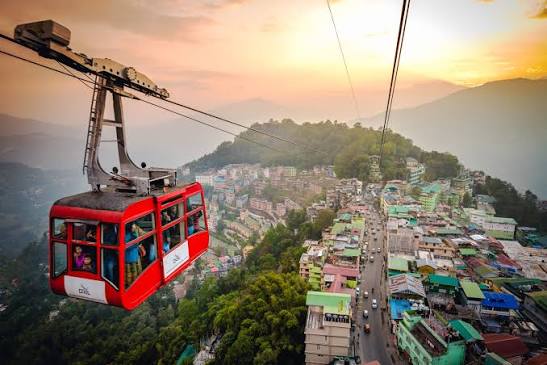
Nainital: Long before modern India began discussing ropeways as a solution to traffic congestion in hill towns, British administrators had already envisioned a ropeway connecting Nainital with Kaladhungi. Historical records indicate that a proposal for a 3,000-foot ropeway was formally considered and approved at various administrative levels as early as 1887-88.Nainital began developing as a hill station in 1843, when European settlers started establishing the town around the lake. The British saw Nainital as both a scenic retreat and an important administrative centre. As its summer population grew, concerns also…
Read MoreNainital Ropeway: A 139-Year-Old British Plan That Never Took Off