Switzerland Delays Diplomatic Meeting on Middle East Accord Amid Continuing Regional Uncertainty
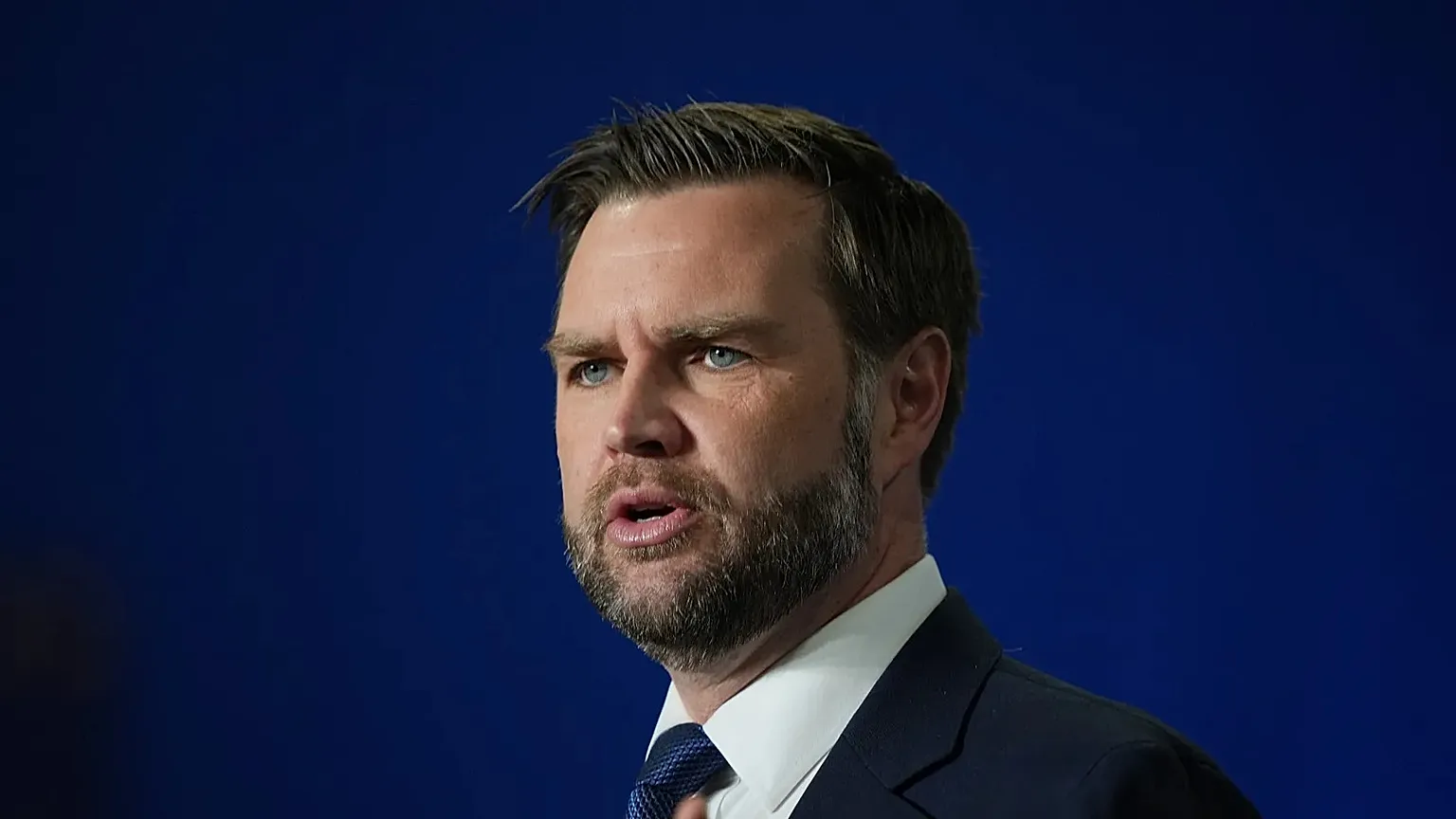
Geneva: Switzerland has postponed a planned diplomatic gathering intended to advance a recently concluded Middle East agreement, citing scheduling changes among participating delegations. The announcement came after the cancellation of a visit by US Vice President JD Vance, who had been expected to attend meetings in the country.
Negotiations Deferred
Swiss officials said representatives from the United States, Iran, Qatar and Pakistan were due to hold discussions aimed at building momentum behind the agreement. However, the talks have now been delayed, with no new date announced so far.
Authorities stressed that logistical preparations at the Burgenstock conference venue remain in place and reaffirmed Switzerland’s willingness to host future negotiations. Officials noted that diplomatic efforts are continuing behind the scenes and that technical consultations are expected once scheduling issues are resolved.
Framework Seeks to Lower Regional Tensions
The recently adopted agreement is designed to ease tensions among Iran, the United States and Israel. Among its major elements are the gradual reopening of the Strait of Hormuz, a two-month window for expanded negotiations, and a roadmap for future dialogue concerning Iran’s nuclear activities.
The accord has received support from both US President Donald Trump and Iranian President Masoud Pezeshkian. While Iranian leaders have broadly endorsed the initiative, some officials have expressed concerns regarding specific provisions.
Iran’s Supreme Leader, Ayatollah Mojtaba Khamenei, stated that the agreement was approved in the interest of protecting national priorities despite differences over certain details. He also indicated that future engagement with Washington remains possible if Iran’s core interests are respected.
Tehran Emphasizes Commitment to the Deal
Speaking on Friday, Iran’s chief negotiator Mohammad Bagher Ghalibaf warned that any breach of the agreement by participating parties would trigger a strong response from Tehran. His comments reflected ongoing concerns about the long-term implementation of the accord.
Meanwhile, the United States has eased restrictions affecting access to Iranian ports that were imposed during the conflict. Although American naval forces will continue operating in the region, commercial maritime traffic remains below pre-conflict levels.


Shipping Activity Returns to Strait of Hormuz
One of the world’s most strategically important waterways, the Strait of Hormuz, has begun witnessing a gradual increase in vessel movement following the relaxation of restrictions.
Iranian media reported that ships wishing to pass through the corridor must obtain clearance from a newly established authority responsible for overseeing maritime transit. Officials also announced that vessels would not face transit charges during the agreement’s initial 60-day phase.
Border Violence Continues in Lebanon
Despite diplomatic progress elsewhere, hostilities have persisted along the Lebanon-Israel border. Hezbollah reported attacks on Israeli military targets and said confrontations were continuing in southern Lebanon.
Israel’s military confirmed carrying out operations against Hezbollah positions in the same region. The incidents highlight the fragile security environment and the challenges facing broader efforts to stabilize the Middle East.
Mixed Reactions to the Agreement
Within Iran, public opinion remains divided. Some citizens view the accord as an opportunity for economic recovery and reduced regional tensions, while others question whether the arrangement can endure beyond the initial negotiation period.
The agreement includes provisions that could lead to the removal of significant US sanctions on Iran’s oil sector. It also envisions the creation of a large-scale reconstruction and development fund, contingent upon progress in future nuclear negotiations.
In the United States, the deal has sparked debate among policymakers. Supporters argue that diplomacy offers a path toward greater stability and protection of global energy supplies, while critics contend that stronger bargaining leverage may have been surrendered too early.













 https://www.youtube.com/watch?si=RtToJsBhYBatUrym&v=mOuYNSdhjHA&feature=youtu.be