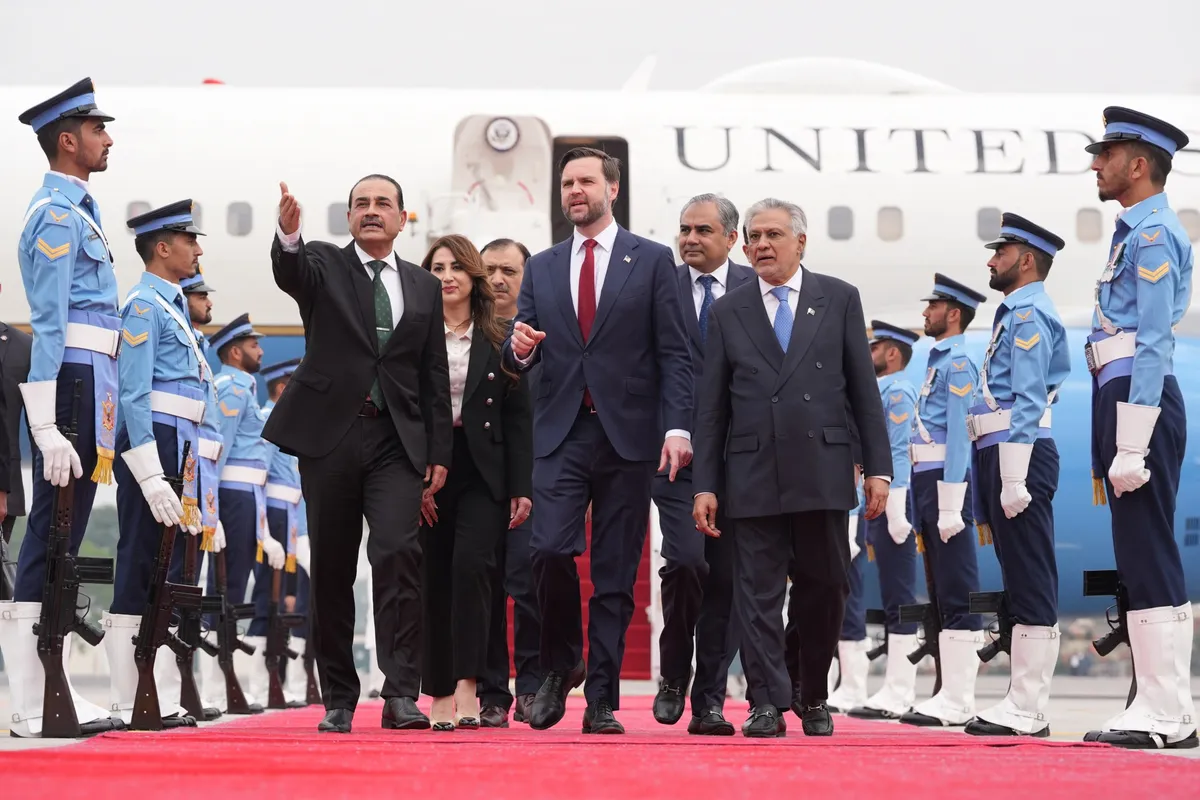
Islamabad/Washington: Diplomatic momentum is building around a possible revival of negotiations between Iran and the United States, even as uncertainty clouds the prospects of direct engagement. Iran’s foreign minister arrived in Islamabad on Friday, coinciding with the expected visit of senior American representatives—an overlap that has fueled speculation of backchannel diplomacy.
Uncertain Format for Talks
According to statements from Washington, U.S. envoys Steve Witkoff and Jared Kushner may engage with Iranian officials during their time in Pakistan. However, Iranian state media has downplayed the likelihood of direct, face-to-face meetings, suggesting instead that Pakistan could act as an intermediary—facilitating indirect exchanges between the two sides.

Iran’s foreign minister is also expected to hold bilateral discussions with Pakistani leadership, focusing on regional stability. Officials in Islamabad have not formally confirmed whether U.S.–Iran interactions will take place alongside these engagements, leaving the structure of any dialogue unclear.
Ceasefire Holds, but Violence Persists
The diplomatic push comes in the wake of a ceasefire extension in Lebanon announced by former U.S. President Donald Trump. Despite this, reports of continued airstrikes in southern Lebanon underline the fragility of the truce, with civilian casualties highlighting the persistent volatility on the ground.
While Washington has expressed cautious optimism about stabilizing the situation, broader tensions across the Middle East continue to complicate peace efforts.
Strait of Hormuz Adds Pressure
A critical factor influencing negotiations is the disruption in the Strait of Hormuz, a vital corridor for global oil and liquefied natural gas shipments. Iran’s restrictions on maritime movement have unsettled energy markets, prompting concern among European leaders who stress the need for uninterrupted access to maintain economic stability.
Recent signs of diplomatic engagement have slightly eased global oil prices, reflecting cautious market optimism about potential de-escalation.

Stalemate Over Sanctions and Security
Previous negotiation rounds stalled over disagreements on sanctions relief and military presence. Tehran has maintained that it will not re-enter formal talks while U.S. naval deployments continue to restrict its maritime operations.
Iranian officials are also pursuing parallel diplomatic outreach, with planned visits to Oman and Russia as part of a broader effort to build consensus and explore alternative pathways toward resolution.
Military Build-Up Continues
Even as diplomatic channels reopen, the security situation remains tense. The United States has reinforced its military presence in the region, including deploying additional naval assets such as an aircraft carrier—signaling ongoing concerns about escalation.
Internal Divisions Complicate Peace
Within Lebanon, political divisions are further hindering progress. Some leaders remain wary of direct negotiations with Israel, citing lack of national consensus, while Israeli authorities continue to emphasize their intent to counter perceived threats.
Human Cost Remains High
Amid strategic maneuvering, the humanitarian impact continues to deepen. In southern Lebanon, families are returning to damaged homes, sifting through debris in search of belongings and a semblance of normal life. For many civilians, the ceasefire has yet to translate into meaningful relief.
Decisive times ahead
As diplomatic efforts intensify, developments in Islamabad over the coming days could prove pivotal. Whether through indirect mediation or direct dialogue, the trajectory of these talks may shape the next phase of efforts to ease tensions and restore stability across the region.