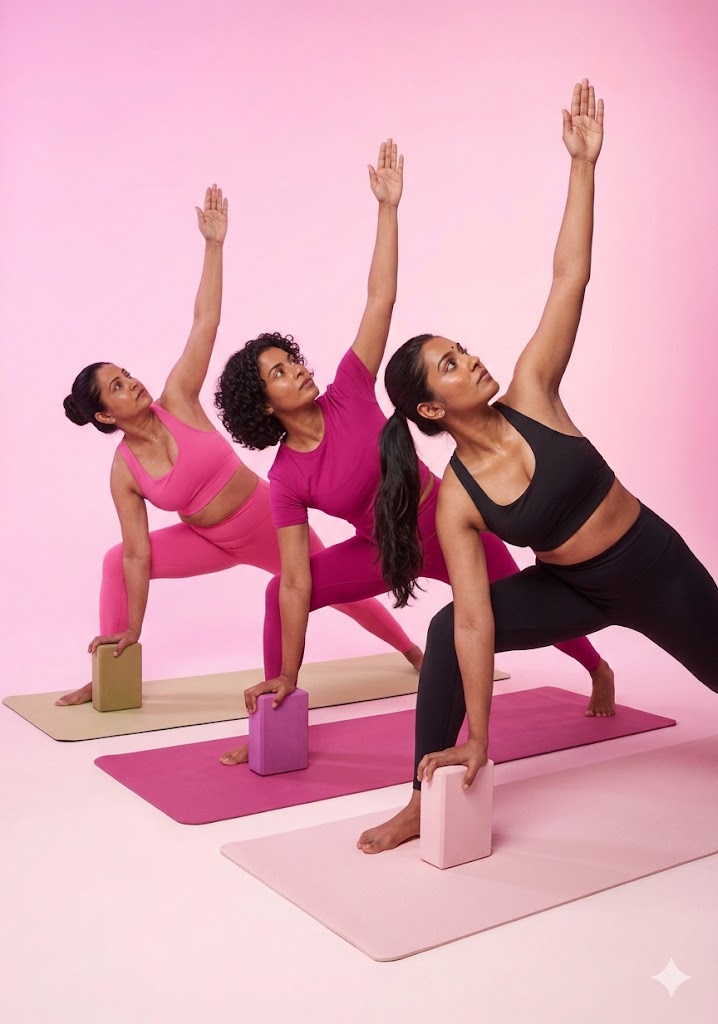

“Community-led fitness activities are driving the sportswear fashion boom as people prioritise slow living, intentional choices and an active lifestyle,” writes Usha Kumari.
Athleisure and sportswear are no longer just a presence in fashion. They have changed the narrative of everyday dressing altogether. In 2026, the rise of fitness culture is actively shaping how the youth dress, move and live. Year on year, activewear is cementing its place as an essential part of the modern wardrobe. From yoga classes and running essentials to swimwear, the category is fuelling one of fashion’s most exciting new directions.

Today, physical wellness is deeply rooted in our lifestyle as a conscious choice. Post-pandemic digital fatigue and constant online presence have made it not just desirable but necessary. Whether taking a walk in the park or playing tennis or pickleball, you can see sports lovers sporting the latest styles from fashion brands. Interestingly, new entrants and challenger brands are spotted more than incumbent brands, owing to their distinctive and refreshing style. Activewear is expanding beyond its classic silhouettes into unique forms, fabrics and designs. Challenger brands are leading that revolution.
The shift is both natural and intentional. As people consciously prioritise health and seek balance in increasingly busy lives, communities are turning to offline activities, with sports emerging as one of the top choices. Across Indian cities, there is a visible rise in sports centres, clubs and exclusive arenas. Fitness businesses are booming in step with this momentum. New fitness centres are rapidly opening across the country, and established players are expanding aggressively. Cult.fit, for instance, has gone into extensive expansion while diversifying its activewear offerings online, giving consumers access to a wide and growing range of sportswear options.
This change is encouraging brands to tap into cultural marketing and expand their footprint. Companies are focusing on becoming glocal and community-oriented, deepening their outreach beyond traditional retail. McKinsey’s State of Fashion report forecast in 2025 cited sportswear growing continuously faster than fashion overall. The forecast predicted that 90% of sportswear companies are anticipating either steady or increased sales in 2025. The significant growth driver lies in the grey area between fashion and activewear. Growing access to sports events, content and a cross-generational prioritisation of health have together surged the category’s growth.
According to the same report, two in three Millennial and Gen-Z customers prefer wearing athleisure multiple times a week. 56% of Gen-Z customers consider fitness a very high priority, and older generations are actively embracing the culture globally. Community connections and the internet are further popularising and sustaining this momentum.

With consumers rethinking spending and seeking value, dedicating their budgets to priorities such as well-being, travel and longevity has created a significant opportunity for brands to innovate. This prospect has become a turning point, encouraging brands to enter the market with value-driven and community-driven strategies. Women-oriented athleisure brands are bridging the gender gap in sportswear, bringing a fresh and inclusive energy to the category.
Celebrities, too, are venturing into the market with their own sportswear brands. Their commanding presence and loyal followership are among the key enablers, as influencer culture continues to grow and shape consumer choices.
Incumbent brands like Nike continue to collaborate with celebrity brands like SKIMS, reaping the unique cultural opportunity that the youth market presents. Sportswear and activewear are now the top category choices for consumers. With the luxury market growing in India, consumers are increasingly looking forward to this cultural crossover, and sportswear is fast becoming their defining fashion choice. While online brands rely upon curated events and community-led marketing, traditional brands capitalise on their shelf space. Retailers are focused on opening more flagship stores, serving unique experiences with a wide product range under one roof. With a mix of D2C, quick commerce and a cultural shift, sportswear is expected to reach new heights.
About the author:
Usha is a brand marketing professional and communication expert. She has worked with Aditya Birla Fashion & Retail and CaratLane, and consults brands on content and brand marketing. She serves as Visiting Faculty at the National Institute of Fashion Technology.

 ---------------------------------------------------------------------------------------------------