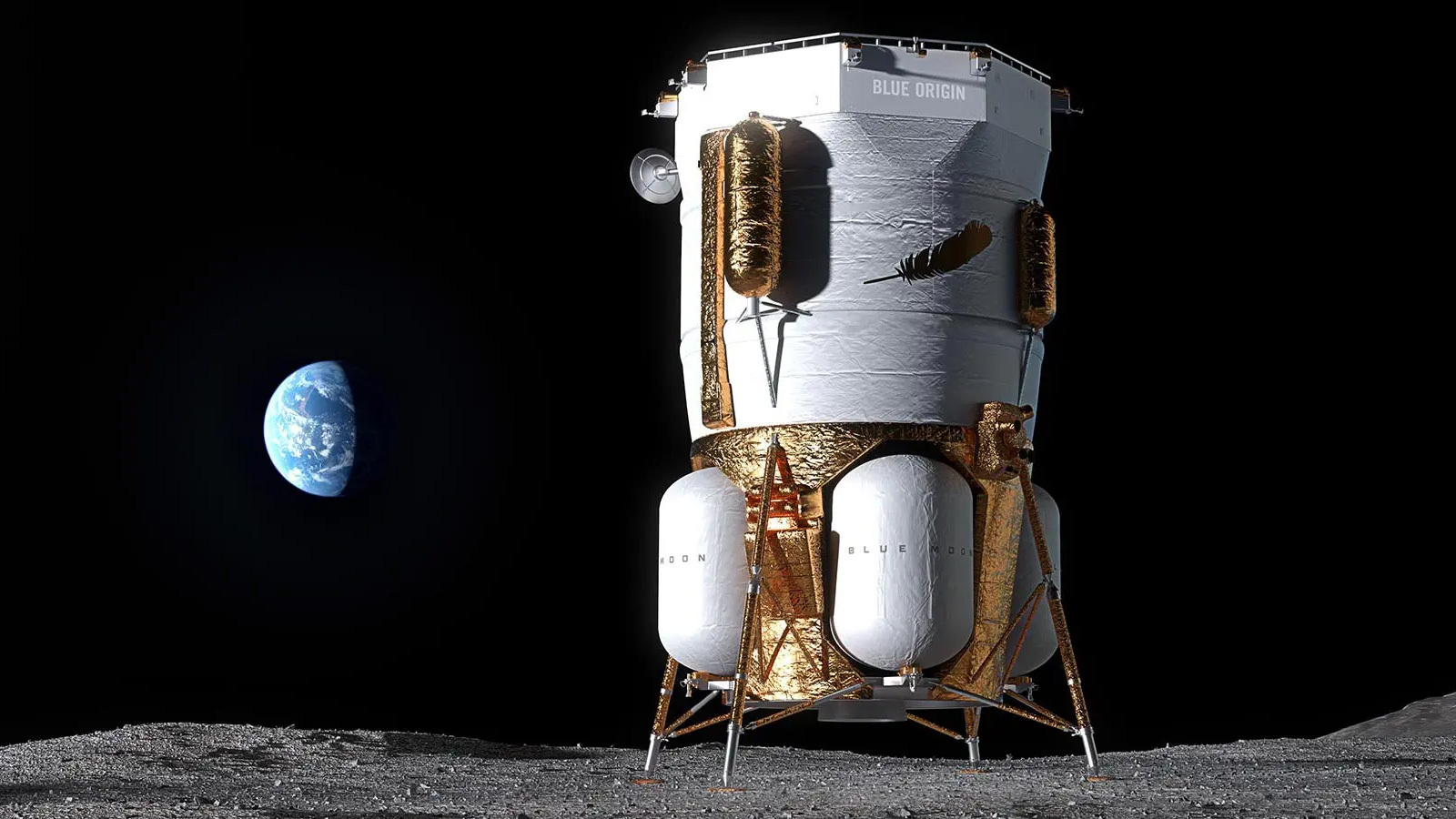
Florida: Following the triumphant completion of the Artemis II mission, NASA has announced a significant strategic shift for its next major milestone. Artemis III, originally envisioned as the historic return of humans to the lunar surface, has been rescheduled for late 2027. More importantly, the mission profile has been transformed from a direct lunar landing into an essential orbital testing phase.
Understanding the Shift in Strategy
The decision to delay the landing comes as NASA and its commercial partners, including SpaceX and Blue Origin, navigate the immense technical complexities of deep-space hardware. Rather than proceeding directly to the Moon’s surface, Artemis III will now serve as a critical dress rehearsal in Earth’s orbit. This revised plan allows the agency to prioritize the safety of the crew while rigorously testing the systems required for long-term lunar exploration.

Key Technical Hurdles and Testing Goals
The complexity of returning to the Moon involves several revolutionary technologies that must function perfectly in tandem. The revised 2027 mission will focus on the following core objectives:
Docking and Refueling Systems The mission will center on the complex process of docking the Orion spacecraft with the Starship Human Landing System (HLS) and Blue Moon landers. Additionally, orbital refueling—a prerequisite for deep-space travel—will undergo intensive evaluation to ensure reliable fuel transfers in a vacuum.

Next-Generation Spacesuits The new Axiom Extravehicular Mobility Units (AxEMU) are still in the production and refinement phase. These suits are designed to withstand the harsh lunar environment, but NASA intends to test their life-support and mobility features in Low Earth Orbit before they are used on the lunar south pole.
System Integration Because the Artemis infrastructure is built by a variety of different private aerospace companies, ensuring that communication, navigation, and life-support systems “talk” to one another seamlessly is a top priority. Testing these closer to home provides a safety net that a lunar distance does not allow.
The Future of the Artemis Program
While the delay adds pressure to NASA’s timeline, the agency maintains that the 2027 orbital mission is a necessary bridge. By transforming Artemis III into a high-stakes testing ground, NASA aims to iron out every technical vulnerability. This approach ensures that when astronauts finally do descend to the lunar surface, the systems supporting them will have been proven reliable through real-world spaceflight data.