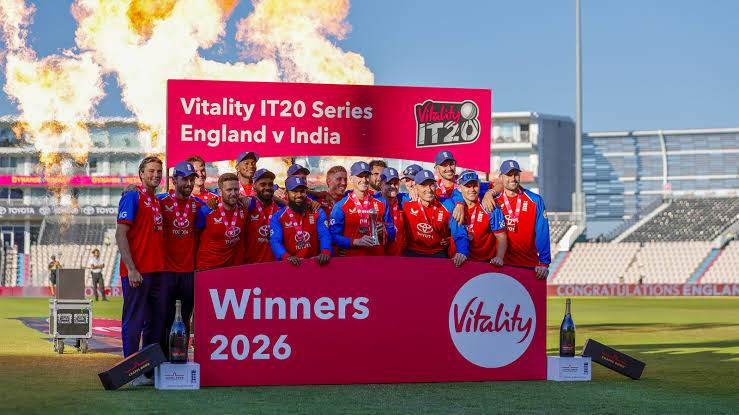

Lucknow: India’s performance in the five-match T20I series against England ended in disappointment. A series that many expected to be closely contested turned into a one-sided affair, with England’s pace attack consistently exposing India’s batting frailties. With the opening match washed out, India avoided what could easily have been a 4-0 defeat, as the hosts dominated most phases of the series.
Totals in the 190-plus range are generally considered competitive in T20 cricket, but India’s bowling attack failed to defend those scores. England chased confidently, exposing a lack of penetration and consistency in the Indian bowling unit.

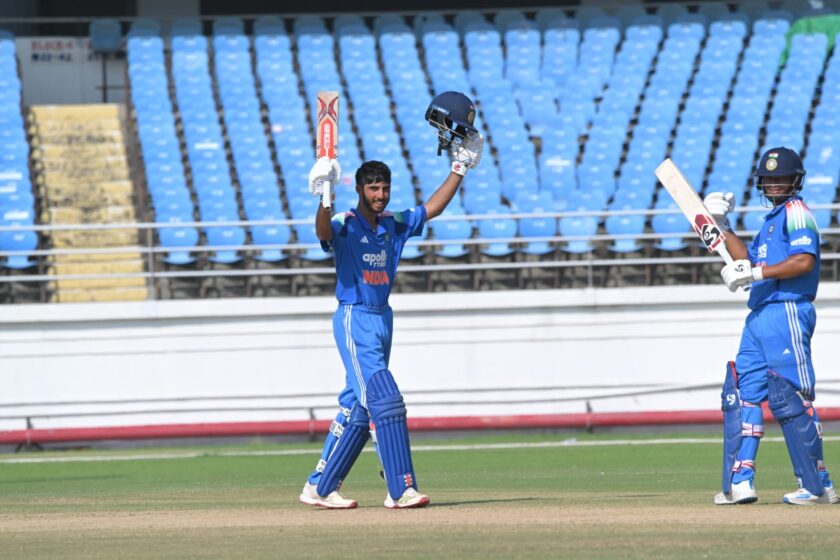
Much was expected from young sensation Vaibhav Suryavanshi, who was tipped for a dream start to his international career. While he displayed his fearless intent by striking early sixes, England’s pace bowlers quickly identified technical weaknesses and dismissed him cheaply in all three innings. It was a difficult initiation, but young players often learn the most from such challenges, and he has the talent to bounce back stronger.
Abhishek Sharma was among the brighter performers, producing useful knocks in two matches and showing encouraging signs of adapting to English conditions. Shreyas Iyer also stood out with his consistency. Time and again, he found himself rebuilding the innings after early setbacks and played with maturity. However, without meaningful support from the rest of the batting order, his efforts were not enough to post match-winning totals.
India’s bowling was the biggest concern throughout the series. Neither the pace attack nor the spin department managed to consistently trouble England’s batters. The absence of experienced campaigners such as Jasprit Bumrah, Bhuvneshwar Kumar and Mohammed Siraj was clearly felt, particularly in pressure situations.

The spinners also struggled to make an impact. Axar Patel endured another disappointing series, continuing a lean run that has extended since the IPL. Washington Sundar failed to contain the scoring rate and looked ineffective during his brief spells. Ravi Bishnoi had a difficult outing and was unable to justify his selection with impactful performances. In the second T20I, when India still had an opportunity to fight back, an expensive over that yielded 29 runs swung the momentum decisively in England’s favour. Varun Chakravarthy, despite joining the playing XI later in the series, was also unable to recreate the mystery and control that have been hallmarks of his bowling in the past.
Overall, India’s T20 world champions fell well short of expectations during the tour of Ireland and England. The team looked outplayed in key departments, and the series exposed several areas that require immediate attention before major international tournaments.
Attention now shifts to the ODI series, where India will hope to regroup, correct its mistakes and produce a far stronger performance. Cricket has often delivered dramatic turnarounds, and the team will be looking for one such revival in the 50-over format.