KGMU Vice Chancellor Congratulates Dr. Surya kant
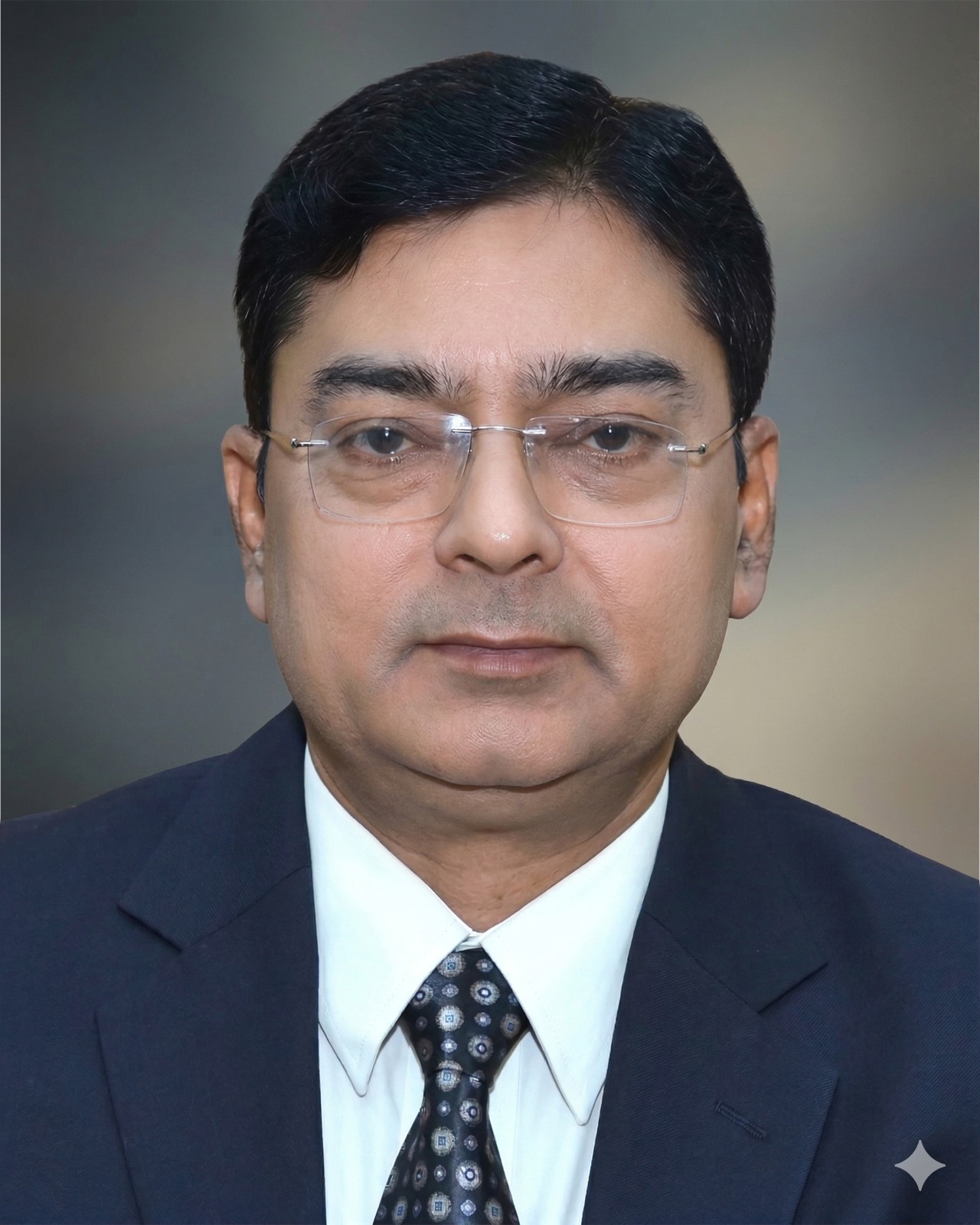
Lucknow: Dr. Surya kant, Professor and Head of the Department of Respiratory Medicine at King George’s Medical University (KGMU), has been entrusted with an important national responsibility. He has been appointed Chairman of the National Expert Committee constituted for preparing the Standard Operating Procedures (SOPs) and Guidelines for “TB-Committed ICUs” aimed at improving the treatment of critically ill tuberculosis (TB) patients in the country. The committee will function under the National Tuberculosis Elimination Programme (NTEP), Ministry of Health and Family Welfare, Government of India, and will develop standardized systems for establishing ICUs dedicated to the treatment of severe TB patients.

It is noteworthy that critically ill TB patients requiring ICU care cannot be managed in general ICUs and need specially designed TB ICUs. Dr. Surya kant has been making dedicated efforts for several years to reduce TB-related mortality, one of his major initiatives being the establishment of TB ICUs. Dr. Surya kant stated that TB patients with oxygen saturation below 90 percent require admission to TB ICUs. A few months ago, the Ministry of Health and Family Welfare, Government of India, issued an order mandating that every medical college in the country must have at least one bed equipped with TB ICU facilities. This committee has been formed in continuation of that initiative.
KGMU Vice Chancellor Dr. Sonia Nityanand congratulated Dr. Suryakant on being appointed Chairman of the National Expert Committee for TB-Committed ICUs and appreciated his contributions toward improving the treatment of TB patients.
It is also noteworthy that Dr. Surya kant served as the Principal Investigator from KGMU in the BPaL project conducted by the Indian Council of Medical Research (ICMR) for the new treatment of complicated TB cases across the country. Following the success of the BPaL project, new drugs were introduced in the treatment of MDR-TB. In addition, he serves as chairman, member, and advisor to several medical, research, and social committees related to TB. Dr. Surya kant has also brought international recognition to the Department of Respiratory Medicine at KGMU in the field of drug-resistant TB. The department has been designated as a “Centre of Excellence for Drug-Resistant TB Care” by the World Health Organization and the International Union Against Tuberculosis and Lung Disease, under which high-quality treatment is provided to TB patients.

Dr. Surya kant is also the founding in-charge of the Pulmonary Rehabilitation Centre, which is the first government center in Uttar Pradesh where patients suffering from respiratory diseases receive completely free treatment. Under his leadership, treatment is also provided to post-TB patients who continue to suffer from cough, breathlessness, and other complications even after completion of TB treatment.
Dr. Surya kant is also serving as Chairman of the North Zone Task Force under the National Tuberculosis Elimination Programme for nine states including Uttar Pradesh. He has authored four books on TB in Hindi, one of which was among the 100 Hindi books released by Prime Minister Narendra Modi on the third anniversary of the National Education Policy.
Under the Prime Minister’s TB Mukt Bharat Abhiyan, Dr. Surya kant has been actively working for TB control and elimination for a long time. Under his leadership, more than 500 TB patients have been adopted to ensure proper treatment, nutrition, and care. Since 2019, villages and slum areas have also been adopted to carry out continuous TB elimination activities. He has published hundreds of articles on TB-related subjects and regularly spreads awareness among the public through social media platforms such as Facebook, YouTube, Instagram, and Twitter. His efforts toward TB elimination are not limited to medical treatment alone but also extend to social awareness and rehabilitation of patients. The initiatives being carried out under his leadership are making significant contributions toward achieving the goal of a “TB-Free India.”