Ayodhya: In June 2026, just over two years after the grand inauguration of the Shri Ram Janmabhoomi Temple in Ayodhya, the temple trust found itself at the centre of a major controversy involving alleged irregularities in donation management. The issue, revolving around large-scale discrepancies in “chadhava” (devotional offerings), has triggered a Special Investigation Team (SIT) inquiry, multiple arrests, resignations, and an intense national debate over accountability and transparency in faith-based institutions.
Emergence of the Controversy
The matter came to light in early June 2026 after internal audits and reconciliations reportedly revealed significant mismatches in donation records. The temple receives daily offerings in the form of cash, gold, silver, and valuables deposited in hundi boxes and through donation counters. Preliminary estimates of the discrepancy have varied widely, ranging from approximately ₹7.5 crore in early assessments to unverified claims exceeding ₹200 crore.

Reports and allegations pointed to possible lapses in cash handling systems, missing or deleted CCTV footage, weak oversight mechanisms, and unusual financial gains among certain lower-level staff members. These developments raised concerns about systemic weaknesses in monitoring and accountability.
Formation of SIT and Early Findings
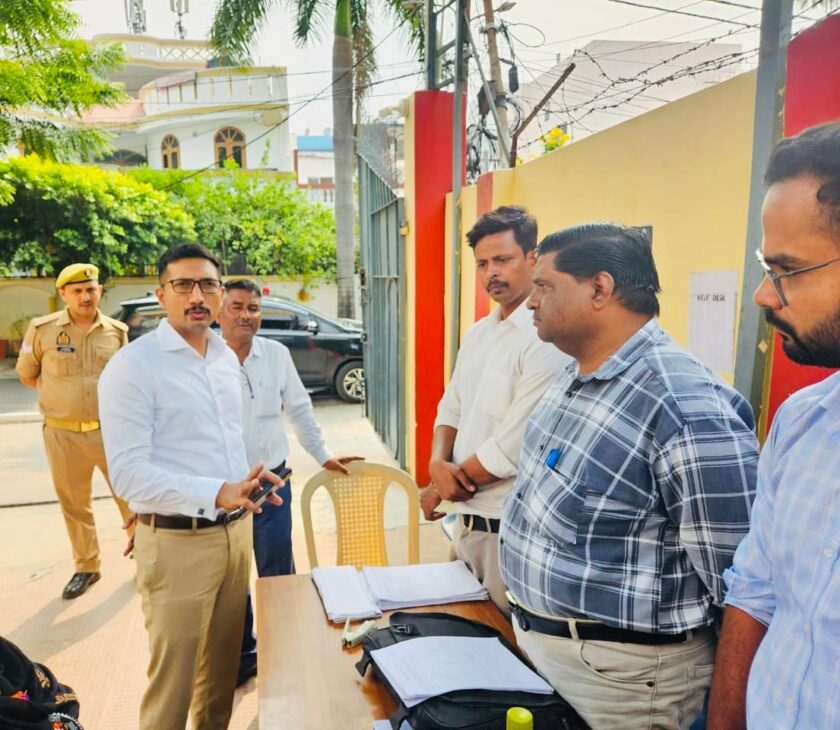
In response, the Uttar Pradesh government led by Chief Minister Yogi Adityanath constituted a three-member Special Investigation Team (SIT). The panel included:
- Divisional Commissioner Vijay Vishwas Pant
- IG Kiran S
- A senior Finance Department official
The SIT was tasked with conducting a rapid assessment of the alleged irregularities. Over the course of its initial inquiry, the team reportedly questioned around 150 individuals, including temple trust members, banking personnel, security staff, and cash handlers.
Preliminary findings indicated serious procedural lapses in financial management, weak internal controls, and deficiencies in staff verification and record-keeping. However, the report did not immediately establish a single central mastermind behind the alleged irregularities.
FIR and Arrests
Following the preliminary SIT findings, an FIR was registered around June 25–26, 2026 against eight individuals associated with cash handling and logistical operations at the temple. The accused named in the case include:
- Ramshankar Yadav alias Tinnu
- Lavkush Mishra
- Anukalp Mishra
- Avinash Shukla
- Manish Yadav
- Subhash Srivastava (cash-counting in-charge)
- Karunesh Pandey
- Ramashankar Mishra
All eight individuals were arrested during the initial phase of the investigation. Authorities also reported recoveries of cash and assets, including approximately ₹10 lakh found at one employee’s residence, along with luxury items and property-related documents. Some reports made additional claims regarding unusual concealment methods and unexplained wealth accumulation, which are under verification.
Administrative and Institutional Response
The SIT’s broader scrutiny reportedly extended to around 17 individuals, raising questions about possible lapses at supervisory levels.
In the aftermath:
- Champat Rai, General Secretary of the Shri Ram Janmabhoomi Teerth Kshetra Trust, submitted his resignation, citing moral responsibility.
- Trustee Anil Mishra also stepped down under similar circumstances.
- Nripendra Mishra, Chairman of the construction committee and former senior government official, acknowledged supervisory shortcomings but defended the integrity of key individuals associated with the temple movement, emphasizing their long-standing roles.
Political Reactions and Allegations
The controversy quickly escalated into a political debate. Opposition parties, including the Samajwadi Party, Congress, and Aam Aadmi Party, raised concerns that the investigation was disproportionately targeting lower-level employees while sparing senior officials.
Leaders such as Arvind Kejriwal and Akhilesh Yadav described the initial action as inadequate and demanded a more comprehensive probe through agencies like the CBI or Enforcement Directorate, along with calls for a CAG audit or Supreme Court-monitored investigation. A petition related to the matter was also scheduled for hearing before the Supreme Court on June 29, 2026.


Critics further pointed to structural concerns such as alleged irregular land transactions, weak segregation of financial duties, and inadequate institutional safeguards in managing large-scale donations.
Defence and Counter-Narrative
On the other hand, defenders of the temple trust and government action argued that the swift formation of the SIT, early arrests, and asset recoveries demonstrate prompt corrective measures. They maintain that the issue appears to stem from opportunistic misconduct by certain individuals exploiting procedural weaknesses rather than a centrally coordinated conspiracy.
The trust itself is reported to have initiated the complaint that triggered formal legal proceedings. Supporters of the current management also emphasize the long-standing public service records of senior functionaries and suggest that the controversy may be influenced by political motivations.
Structural Concerns and Governance Gaps
Beyond individual accountability, the case has highlighted broader governance challenges in managing large religious and public donation systems. Observers point to issues such as:
- Limited digitization of donation tracking
- Weak real-time auditing systems
- Insufficient CCTV and surveillance integrity
- Inadequate employee background verification
- Lack of professional financial management structures
These gaps are seen as enabling conditions for financial irregularities, regardless of who may ultimately be found responsible.
Recommendations and Reform Proposals
The SIT and associated reviews have reportedly recommended several reforms, including:
- Appointment of a professional chief executive officer for administration
- Strengthening of digital, real-time donation accounting systems
- Improved CCTV surveillance and data retention protocols
- Independent and periodic financial audits
- Adoption of stricter employee screening and verification processes
- Separation of duties in cash handling and counting operations
These measures are intended to enhance transparency and reduce the risk of future discrepancies.
Conclusion and Ongoing Investigation
As of late June 2026, the investigation remains ongoing, with further forensic audits, financial reconciliations, and legal proceedings expected. The final SIT report is awaited, and judicial oversight may expand depending on upcoming court hearings.
The controversy has become a critical test of institutional credibility at one of India’s most significant religious sites. For millions of devotees, the Ram Mandir represents faith, devotion, and historical significance. Allegations of financial mismanagement—whether rooted in individual wrongdoing or systemic failure—have therefore intensified public concern.
Ultimately, the outcome of the investigation will determine whether accountability extends across all levels or remains confined to frontline operatives. Beyond legal consequences, the case underscores a larger imperative: ensuring that institutions managing public faith operate with transparency, professionalism, and uncompromised integrity.












 https://www.youtube.com/watch?si=RtToJsBhYBatUrym&v=mOuYNSdhjHA&feature=youtu.be