Mumbai: The global economy currently finds itself at a crossroads where uncertainty seems to be the only sure thing. The IMF’s latest World Economic Outlook update, released in July 2026, has reignited a serious conversation about global growth and where the world economy is headed next. The Fund’s decision to trim its 2026 global growth forecast down to just 3% is not a minor development — it marks a downgrade from the 3.1% projection issued back in April. And while the IMF expects growth to pick back up to around 3.4% in 2027, even that recovery would still fall well short of pre-pandemic norms or the average seen in 2024 and 2025. The downgrade doesn’t point to any sudden, dramatic recession, but it is a clear signal that the world economy’s underlying growth engine is steadily losing steam. And if that weren’t concerning enough, the World Bank’s own assessment paints an even gloomier picture.
The World Bank’s estimate is, in fact, more pessimistic than the IMF’s — it expects global growth in 2026 to come in at just 2.5%. The gap between these two institutions’ numbers says something important in itself: that the risks facing the world economy right now run deep and are likely to linger, shaking the structural foundations of both developing and developed economies alike. Behind this slowdown lie several tangled, overlapping causes — chief among them the deepening geopolitical conflict in the Middle East and the energy crisis it’s fueling.

Energy, Inflation, and a Region on Edge
Tensions in this volatile part of the world continue to rise, and the fallout is being felt directly in global oil supply and in soaring shipping and freight-insurance costs. Any major disruption to a critical, narrow trade route like the Strait of Hormuz could send crude oil prices spiraling in international markets. And when crude gets more expensive, production, manufacturing, and transport costs rise in step across the globe — a blow that hits countries entirely dependent on energy imports especially hard. The IMF, alert to this risk, has revised its 2026 global inflation forecast upward to 4.7%, well above earlier estimates. That kind of inflationary pressure will make it far harder for central banks worldwide to cut interest rates, which in turn will squeeze liquidity out of markets and slow industrial growth even further.
Trade Is Fragmenting
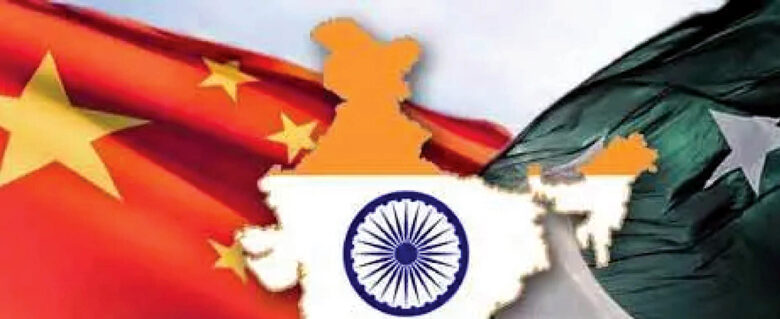
The second major drag on growth is the fragmentation of global trade. The era of largely frictionless globalization and open trade that defined the past few decades is fading fast. The ongoing tension between major powers like the US and China has moved well beyond diplomatic statements — it’s now showing up as fresh tariffs, tighter trade restrictions, and the formation of separate trading blocs. That tug-of-war has made global supply chains not just more expensive, but slower and less efficient. Multinational companies are no longer simply chasing the lowest labor or production costs when deciding where to build new factories or park capital — increasingly, they’re prioritizing countries that offer political safety and friendly ties. This more cautious approach to investment is driving up the overall cost of making things worldwide, and rising costs inevitably weigh on the pace of global trade — dragging the broader global economy down with it.
A New Risk: The AI Boom
Beyond these familiar geopolitical and trade risks, a newer and distinctly modern one is emerging from the AI market. Over the past few years, the US and a handful of other advanced economies have seen an extraordinary, almost unprecedented wave of enthusiasm around artificial intelligence. Investment in the technology has poured in from around the world, in the hundreds of billions of dollars, giving a major lift to US stock markets and economic growth. But the IMF has sounded a serious note of caution about this exuberance.
The core worry is that if the valuations of AI-related companies have climbed far beyond what their actual earnings can justify, it risks turning into a full-blown asset bubble. That’s not to say the technology itself is the problem — the real danger lies in what happens when investors’ overly optimistic expectations don’t pan out. If returns fail to match the scale of investment poured in, it could trigger a sharp sell-off in equity markets. And a correction of that kind wouldn’t stay contained to the US — it would ripple through stock markets and investor sentiment worldwide, potentially choking off the flow of capital globally.

What This Means for India
All of this global turbulence is bound to have a significant impact on an economy as large and fast-growing as India’s — bringing with it both serious challenges and some genuine new opportunities.
On the challenges side, energy security tops the list. India imports a substantial share of its energy needs, so if Middle East tensions push oil prices sharply higher, the country’s import bill will climb quickly, widening the trade deficit and putting heavy pressure on the rupee. A weaker rupee pushes up domestic fuel prices, which hits ordinary households directly and adds to food inflation. And with inflation running high, it becomes nearly impossible for the Reserve Bank of India to cut interest rates — and expensive borrowing, in turn, discourages new industrial investment at home. On top of that, weaker global demand is likely to hit India’s export sectors hard too, with overseas demand for textiles, engineering goods, and IT services all at risk of softening.
That said, this otherwise gloomy global picture does hold some real opportunities for India. As the world splits into competing blocs and global supply chains get reshaped, India is well placed to benefit — if it plays its cards smartly. A number of Western companies are actively working to cut their reliance on China, and India, with its vast domestic market and young workforce, is well positioned to draw them in. Sectors like electronics, defense manufacturing, and pharmaceuticals could see India emerge as a major global manufacturing hub.
In short, the IMF’s numbers make clear that the global economy is under pressure from two directions at once. Against that backdrop, India needs to move carefully and strategically — developing alternative energy sources, expanding its export markets, and giving domestic manufacturing a real push are the priorities of the moment. To steer its economic ship safely through this difficult global weather, India will need to make its internal economic foundations as strong as steel.