By Sita Ram Sharma “Chetan” / translation from RavivarDelhi Hindi
Filth is filth. Dress it up however you like, it’s never going to become food. Poison is poison — no rebrand turns it into nectar. Terrorism works the same way. There’s no context, no situation, where it becomes acceptable. That should be obvious to the whole world by now, without needing self-interest or endless debate to get in the way.

And yet here we are — a 21st-century world that thinks of itself as intellectually and economically advanced, still somehow unable to grasp something this simple. It’s as if humanity has quietly set aside its own moral responsibilities. The result: terrorism is now the single biggest threat facing the world, and it’s still not being taken seriously enough. Worse, the nations with the actual power to stop it are, one way or another, protecting it, funding it, or just looking away.
A good place to start that conversation? Pakistan.
The Pakistan Problem
Bring up terrorism anywhere in the world, and Pakistan’s name comes up almost immediately. It’s no secret — Pakistan has been the birthplace and safe house of global terrorism for decades. And it keeps at it, brazenly, without much shame.
India has paid the highest price for that. And yet, even after a decade of the Modi government pushing back, a truly proportionate response still hasn’t happened. Terrorists responsible for attacks on India continue living comfortably on Pakistani soil, operating with total impunity. Why? Mostly because the world isn’t united against terrorism — and some of the most powerful countries have chosen silence, or quiet support, because it suits them.
Why Does the US Still Play Nice With Pakistan?
Here’s a question worth sitting with: America calls itself a superpower. It was the victim of the worst terror attack in modern history. And it still keeps Pakistan close — the same Pakistan that hid Osama bin Laden, the man behind the murder of thousands of Americans, for years, inside its own military zones.
Trump himself once called Pakistan a treacherous, terror-sponsoring state. So what changed? What’s he afraid of, or gaining, that has him treating that same country so gently now? Does he genuinely believe it won’t happen again? If Washington truly believes in human rights and holding terror sponsors accountable, someone should ask: why does the US ban Pakistani terror groups on paper but never push for real action against them? The uncomfortable answer, one Pakistani leaders themselves have hinted at more than once, is that America has had its own hand in letting terrorism grow there — and in many ways, still does.

India’s Moment of Clarity
To India’s credit, the Modi government hasn’t just pushed back against Pakistan-backed terror — it’s made Pakistan pay for it, to a real extent. Which makes it worth asking: why, in the past few days, has there suddenly been talk from inside India about softening the stance, maybe reopening dialogue?
Some see Trump’s fingerprints on it. Others suspect something closer to home — anti-national interests pushing their own agenda. Either way, the government’s position has stayed clear: no talks, no policy change, until Pakistan takes real, hard action against terrorism on its own turf.
Given how much confusion there is right now — in public opinion, in the media — India should go one step further and make its position unmistakable on the world stage: talks happen only if Pakistan hands over India’s most-wanted terrorists, or agrees to join India in dismantling terror networks by force. If that doesn’t happen, India will eventually have no choice but to act alone. That day is probably coming regardless.
What India Should Do Next
It’s time for India to treat terrorism like the serious national and global crisis it is — which means tougher laws, not just tougher talk. A few ideas worth putting on the table:
- No human-rights arguments for terrorists. None. Ever.
- Zero leniency, at any level, for anyone directly involved.
- Anyone caught, killed, or identified as a terrorist should trigger consequences for their known associates and family too — and anyone who had knowledge of terror activity and stayed silent should face serious punishment as well.
- Real rewards — public and covert — for citizens, Indian or foreign, who help take terrorists down.
- A foreign policy built around this exact principle: countries that treat India’s enemies as their own get more cooperation and benefits from India. Countries that go soft on terrorists, or get in the way of action against them, get frozen out — no trade, no engagement, nothing.
The bigger point is this: India needs to be sharper and more proactive across the board — legally, diplomatically, in every conversation it has on this. And the clearest policy of all should simply be: any country that shelters India’s enemies becomes India’s enemy too, and will be treated, and dealt with, accordingly.
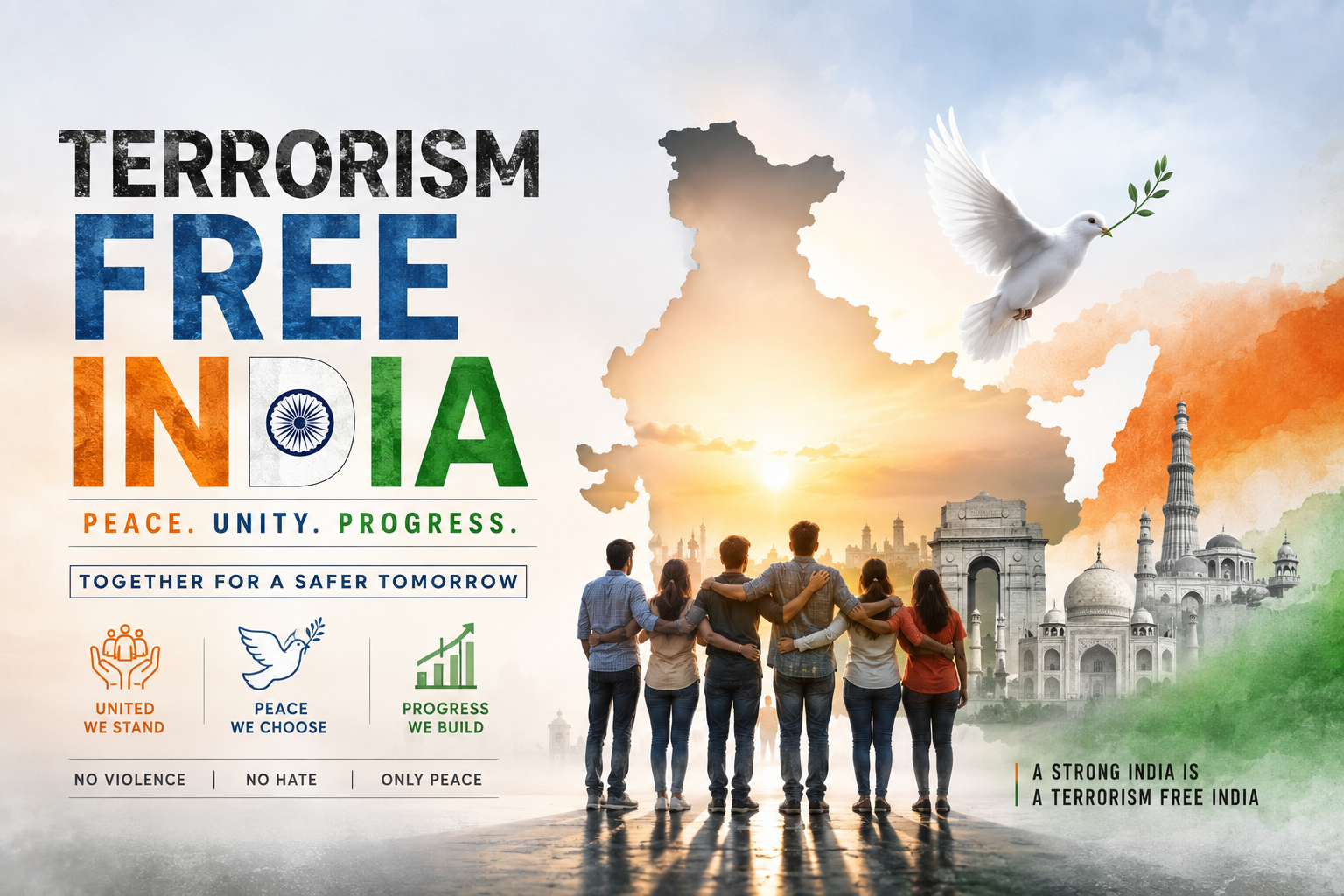
A terrorism-free India and world isn’t a small ask. But it’s the question of the moment — and answering it will take real, structural change, not just more statements.