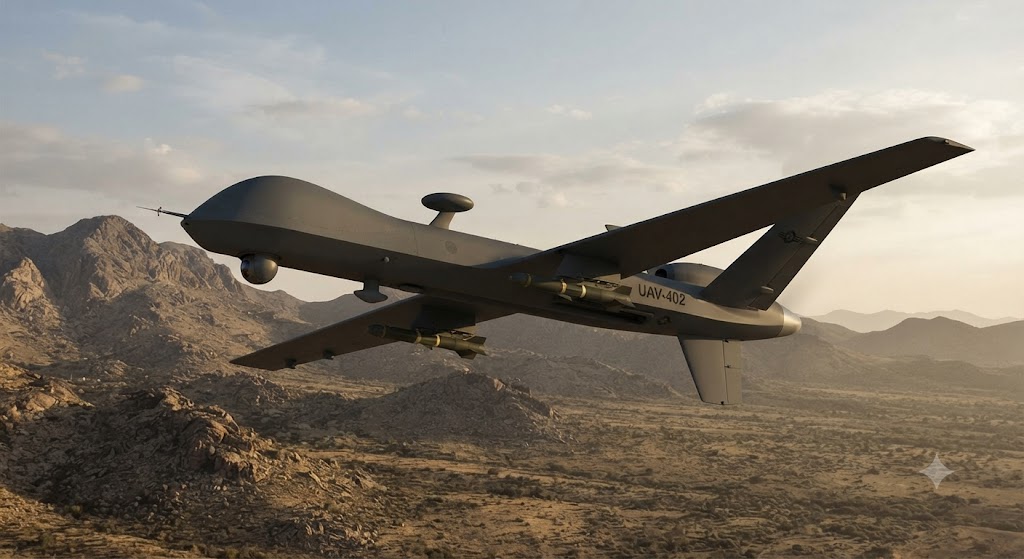
Washington: The United States military is moving toward a leaner command structure and greater reliance on artificial intelligence, autonomous systems and unmanned platforms as warfare increasingly becomes technology-driven.
US Defense Secretary Pete Hegseth is set to implement an additional 20 percent reduction in positions for generals and admirals, building on an earlier proposal for a 10 percent cut. The plan involves eliminating some positions and downgrading others rather than simply removing personnel. The move is part of a broader effort to reduce layers of senior command and streamline decision-making.

At the same time, the Pentagon has established the Autonomous Warfare Command, or Autowarcom, to expand the military’s use of artificial intelligence, drones and robotic systems. The new command will focus on developing and integrating autonomous capabilities across the armed forces.
The shift reflects a wider transformation in military planning. The US Department of War’s AI strategy identifies AI-enabled battle management, decision-support systems, autonomous capabilities and human-machine teaming as key areas of development.


However, the growing role of AI does not eliminate human responsibility. US military assessments have noted that AI remains dependent on human interaction and oversight, particularly in complex operational and ethical decisions.
The changes signal an evolving model of warfare in which speed, data, automation and human-machine collaboration are becoming increasingly important alongside conventional military capabilities.












 https://www.youtube.com/watch?si=RtToJsBhYBatUrym&v=mOuYNSdhjHA&feature=youtu.be