By Special Correspondent
India’s cultural richness extends far beyond its famous monuments, bustling cities, and iconic landscapes. Hidden among forests, mountains, river valleys, and remote highlands are hundreds of indigenous communities whose traditions, languages, art forms, and lifestyles have survived for centuries. Together, these communities form one of the world’s most diverse tribal populations, offering travelers an extraordinary opportunity to experience a lesser-known dimension of India.
Home to more than 700 officially recognized Scheduled Tribes, India’s tribal population represents approximately 8.6 percent of the country’s people. These communities, often referred to as Adivasis or indigenous peoples, preserve unique cultural identities that have evolved in close harmony with nature. For travelers seeking authentic cultural experiences, tribal regions offer a journey into living traditions, ancient knowledge systems, and sustainable ways of life.
However, exploring these regions requires more than curiosity. Responsible tribal tourism demands sensitivity, respect, and an understanding that these communities are not tourist attractions but living societies with their own customs, values, and aspirations.
India’s Tribal Mosaic
Tribal communities are spread across the country, but they are concentrated in several distinct cultural regions.
Northeast India: A Living Cultural Tapestry
The northeastern states represent India’s most diverse tribal landscape. Home to hundreds of ethnic groups, the region offers an extraordinary blend of languages, traditions, architecture, music, and festivals.
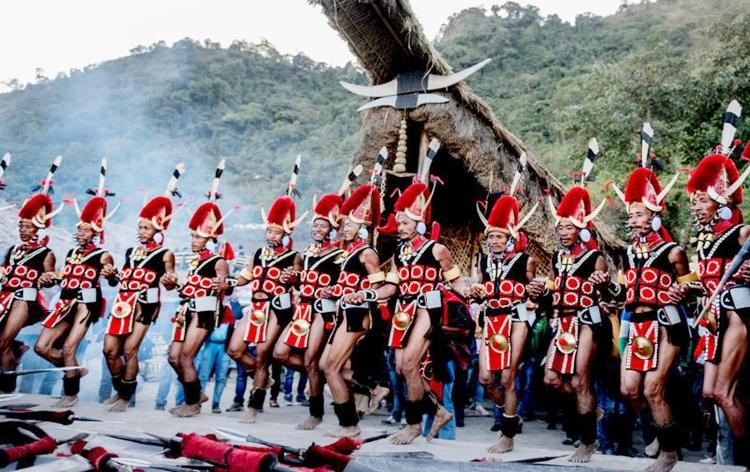
Among the best-known communities are the Apatani Tribe of Arunachal Pradesh, the Khasi Tribe and Garo Tribe of Meghalaya, and the many Naga tribes of Nagaland.
The region is known for vibrant festivals, community-centered lifestyles, traditional craftsmanship, and spectacular natural scenery.
Central Tribal Belt
Stretching across Odisha, Chhattisgarh, Jharkhand, Madhya Pradesh, and parts of Maharashtra and Andhra Pradesh, India’s central tribal belt is home to some of the country’s largest indigenous communities.
The region is renowned for its forest-based cultures, distinctive art traditions, colorful markets, and rich oral histories.
Communities such as the Gond Tribe and Bondo Tribe continue to preserve traditions that reflect deep connections with their natural environment.
Western India
The tribal communities of Rajasthan and Gujarat have developed unique cultural identities shaped by semi-arid landscapes and pastoral traditions.
The Bhil Tribe and Garasia Tribe are known for vibrant attire, folk music, traditional paintings, and community festivals.
Himalayan and Island Communities
India’s tribal diversity also extends to the Himalayas and island territories.
In regions such as Ladakh, tribal influences blend with Buddhist cultural traditions, while the Andaman and Nicobar Islands host some of the world’s most isolated indigenous populations.
However, many island communities are protected by strict laws that prohibit outside contact, ensuring their safety and cultural survival.
Tribal Tourism: Learning Through Experience
In recent years, community-based tourism initiatives have enabled visitors to engage respectfully with tribal cultures through homestays, guided village visits, handicraft workshops, and cultural festivals.
Rather than offering staged performances, the best tribal tourism experiences focus on meaningful cultural exchange while ensuring economic benefits reach local communities.
Meghalaya: Community Tourism at Its Best
Among India’s most successful examples of sustainable tribal tourism is Meghalaya.
Visitors can explore Khasi villages, trek to famous living root bridges, and stay in community-run homestays that provide direct income to local families.
The village of Mawlynnong, often celebrated for its cleanliness and community participation, has become a model for responsible rural tourism.

Nagaland’s Hornbill Festival
For many travelers, the best introduction to tribal cultures comes through festivals.
Ziro Valley and the Apatanis
The scenic Ziro Valley provides insight into the culture of the Apatani people, renowned for their sustainable agricultural practices and close relationship with nature.
The region combines cultural exploration with breathtaking landscapes and has emerged as one of Northeast India’s most attractive eco-tourism destinations.
Odisha’s Tribal Markets
In southern Odisha, weekly tribal markets offer fascinating glimpses into traditional commerce, craftsmanship, and social interaction.
Visitors can observe local communities trading agricultural products, textiles, jewelry, and handicrafts while learning about cultural practices that have endured for generations.
Understanding Permit Requirements
Travelers should be aware that several tribal regions operate under special administrative regulations designed to protect indigenous cultures and sensitive border areas.
Certain northeastern states require an Inner Line Permit (ILP) for Indian citizens who are not residents of those states. Foreign visitors may require Protected Area Permits or other special permissions depending on the destination.
Access to some areas of the Andaman and Nicobar Islands remains highly restricted.
Notably, North Sentinel Island and certain Nicobar Islands are completely off-limits to visitors in order to safeguard vulnerable indigenous populations from external contact and disease exposure.
Travelers should always verify current regulations before planning their journey.
Responsible Travel Matters
Tribal tourism can generate important economic opportunities, but it must be approached ethically.
Experts emphasize several principles for responsible travel:
- Seek permission before photographing people.
- Respect local customs, traditions, and dress codes.
- Avoid intrusive behavior or treating communities as tourist attractions.
- Support locally owned businesses, guides, and homestays.
- Purchase authentic handicrafts directly from artisans.
- Minimize environmental impact by reducing waste and avoiding plastic pollution.
The most meaningful experiences often come from listening, learning, and engaging respectfully rather than simply observing.
Challenges Facing Tribal Tourism
While tourism can support livelihoods, it also presents challenges.
Remote tribal regions often face limited infrastructure, difficult transportation, restricted healthcare access, and seasonal weather disruptions. Over-commercialization can also threaten cultural authenticity and place pressure on traditional lifestyles.
Balancing tourism growth with cultural preservation remains a critical priority for policymakers, community leaders, and tourism operators.
Increasingly, community-led tourism models are being recognized as the most effective approach because they allow local residents to determine how visitors engage with their culture and environment.
A Journey Into India’s Living Heritage
India’s tribal regions offer something increasingly rare in the modern world: an opportunity to encounter cultures that remain deeply connected to land, community, and tradition.
Whether attending a festival in Nagaland, staying in a Khasi homestay in Meghalaya, exploring the forests of Bastar, or learning from artisans in Odisha’s tribal villages, travelers gain insights into some of the oldest living cultural traditions on the subcontinent.
These journeys are not simply about visiting remote places. They are about understanding India’s extraordinary human diversity and recognizing the importance of preserving cultural heritage in a rapidly changing world.
For those willing to travel with humility, curiosity, and respect, India’s tribal heartlands offer experiences that are as enriching as they are unforgettable—revealing a side of the country that remains deeply rooted in tradition while continuing to shape its future.