Ayodhya: The alleged embezzlement of donations at the Shri Ram Janmabhoomi Teerth Kshetra Trust has emerged as one of the most significant controversies surrounding the Ram Mandir since its inauguration, triggering widespread debate over accountability, transparency, and the management of one of India’s most revered religious institutions.
The case, which has led to the arrest of eight employees, the registration of a First Information Report (FIR), and the recovery of approximately ₹80 lakh in allegedly misappropriated funds, has generated intense political and public scrutiny. While investigators currently describe the matter as an alleged insider theft operation involving employees responsible for handling donations, opposition parties have raised broader questions about oversight mechanisms within the trust.

Investigation Uncovers Alleged Donation Theft
The controversy came to light following an internal review and subsequent investigation into irregularities in the counting and management of donations received at the Ram Mandir. Acting on concerns raised by the temple administration, the Uttar Pradesh government constituted a Special Investigation Team (SIT) to examine the matter.
According to investigators, eight employees associated with the collection and counting of donations were arrested on charges including theft, criminal breach of trust, cheating, and conspiracy. Authorities reportedly recovered around ₹79.85 lakh in cash during searches linked to the accused. Investigators also cited evidence from surveillance footage and internal reviews indicating multiple instances of alleged pilferage during donation-handling operations. Reports indicate that several incidents of suspected theft were documented over a period of months.
Officials familiar with the investigation have emphasized that the evidence uncovered thus far primarily points toward operational-level misconduct by employees involved in cash management rather than a proven conspiracy involving senior trust officials. However, investigators have indicated that inquiries remain ongoing and additional findings could emerge as the probe progresses.
Resignations Add to the Fallout
The controversy intensified following the buzz around prominent trust functionaries, including General Secretary Champat Rai and trustee Anil Mishra.
Champat Rai has long been associated with the Ram Janmabhoomi movement and is regarded as one of its most influential organizational figures. The trust has expressed shock and disappointment over the allegations, describing the incident as a betrayal of the faith reposed by millions of devotees who contribute donations with deep religious devotion.
Opposition Seizes Political Opportunity
Predictably, opposition parties have used the controversy to attack the BJP and organizations associated with the Ram Mandir movement.
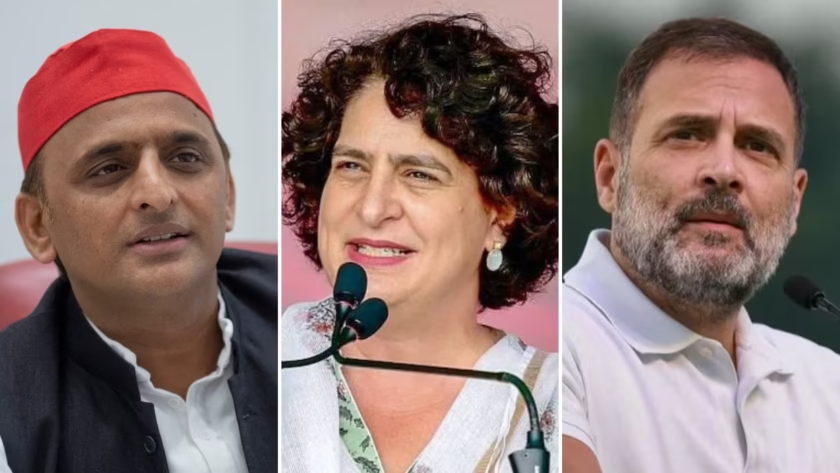
Leaders from the Indian National Congress and the Samajwadi Party have alleged that the scandal reflects deeper systemic problems within the trust’s functioning. Some opposition figures have claimed that the scale of irregularities could be significantly larger than the amounts officially recovered, citing figures ranging from several crores to hundreds of crores of rupees.
These allegations, however, remain unproven and have not been substantiated by findings released by investigators so far. Current evidence made public by law enforcement agencies relates primarily to the arrests of donation-counting staff and the recovery of approximately ₹80 lakh.
Opposition leaders have demanded wider investigations, with some calling for a court-monitored inquiry and a complete restructuring of the trust’s management framework.
Government Moves Quickly to Limit Damage
The Uttar Pradesh government has sought to demonstrate swift action in response to the controversy.
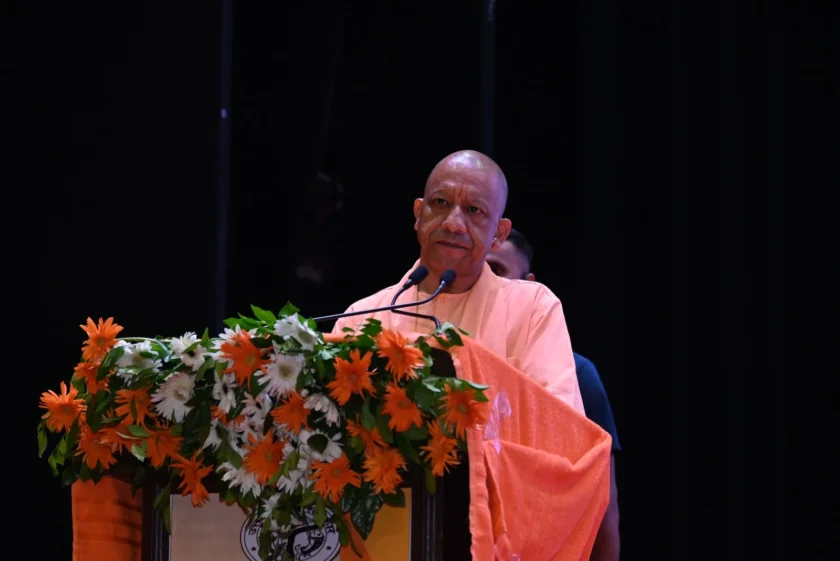
Chief Minister Yogi Adityanath has publicly stated that no individual found guilty will be spared, regardless of position or influence. The establishment of the SIT and the arrests of the accused have been presented by the government as evidence that mechanisms are functioning and wrongdoing is being addressed promptly.
Political analysts note that the BJP’s response strategy appears aimed at portraying the scandal as an isolated case of employee misconduct rather than a failure of the broader Ram Mandir project or the ideological movement associated with it.
This distinction could prove important politically, particularly with the 2027 Uttar Pradesh Assembly elections approaching.
Why the Electoral Impact May Be Limited
Despite the seriousness of the allegations, many political observers believe the controversy is unlikely to produce a major shift in voting patterns among Hindu voters.

The Ram Mandir occupies a unique place in contemporary Indian politics and society. For decades, it served as a powerful symbol of cultural identity, religious aspiration, and political mobilization. Support for the BJP among many Hindu voters has been shaped not only by the temple issue but also by factors such as nationalism, welfare policies, economic concerns, governance, law and order, and caste-based political calculations.
Experts argue that voters often distinguish between corruption within an institution and their emotional attachment to the institution itself.
Many devotees may view the alleged theft as an act of individual greed rather than a betrayal of the temple’s spiritual significance. The fact that arrests were made and investigations initiated relatively quickly may further reinforce the perception that corrective action is underway.
Historically, controversies involving the administration of religious institutions have rarely translated into large-scale electoral shifts unless accompanied by broader governance failures or sustained public outrage.
Questions About Oversight and Accountability
While the political consequences remain uncertain, the controversy has raised important questions about the management of major religious institutions that receive substantial public donations.
Investigators and critics alike have pointed to weaknesses in cash-handling procedures, surveillance systems, audit mechanisms, and internal oversight processes. Allegations have also surfaced regarding missing valuables and insufficient safeguards during donation counting operations, though many of these claims remain under examination.
Governance experts argue that the case highlights the need for stronger institutional safeguards, including:
- Greater digitization of donations.
- Independent financial audits.
- Enhanced CCTV monitoring and data retention.
- Better segregation of financial responsibilities.
- Regular public disclosure of financial records.
- Stronger whistleblower protections.
Supporters of temple autonomy, meanwhile, argue that the controversy should not be used to justify greater government control over religious institutions. Instead, they advocate improved governance structures while preserving administrative independence.
Faith Beyond the Scandal
For millions of devotees, the Ram Mandir remains far more than an institution. It represents a deeply held spiritual and cultural aspiration that transcends the actions of any individual administrator or employee.
Many religious leaders and community voices have emphasized that the alleged misconduct of a few individuals should not overshadow the broader significance of the temple or diminish the devotion of those who contributed to its construction and upkeep.
At the same time, they acknowledge that trust is one of the most valuable assets any religious institution possesses—and that maintaining public confidence requires complete transparency and accountability.
The Road Ahead
As the SIT continues its investigation, the full scope of the alleged embezzlement remains to be determined. Authorities will need to establish whether the misconduct was limited to a small group of employees or whether deeper institutional failures contributed to the situation.
The outcome of the investigation is likely to shape public perceptions not only of the trust’s administration but also of how large religious institutions across India manage donations entrusted to them by devotees.
For now, the Ayodhya donation theft case stands as a reminder that even institutions held in the highest reverence require robust systems of accountability. The challenge facing the trust, the government, and the wider community is not only to identify those responsible but also to ensure that the faith and confidence of millions of devotees are fully restored.
The coming months will determine whether the episode is remembered as an isolated act of misconduct successfully addressed through swift action—or as the beginning of a broader debate about transparency, governance, and accountability in India’s most prominent religious institutions.