Patna/ Kathmandu: A series of recent developments along the India–Nepal border in Bihar has triggered concern among local communities and traders, with fears emerging that the traditionally close “roti-beti” (livelihood and familial) ties between the two countries could face strain.
For decades, the open border between India and Nepal has allowed seamless movement of people and goods, fostering deep economic, cultural, and familial connections. However, new enforcement measures and regulatory changes are now beginning to alter this long-standing arrangement.

Rising Friction at the Border
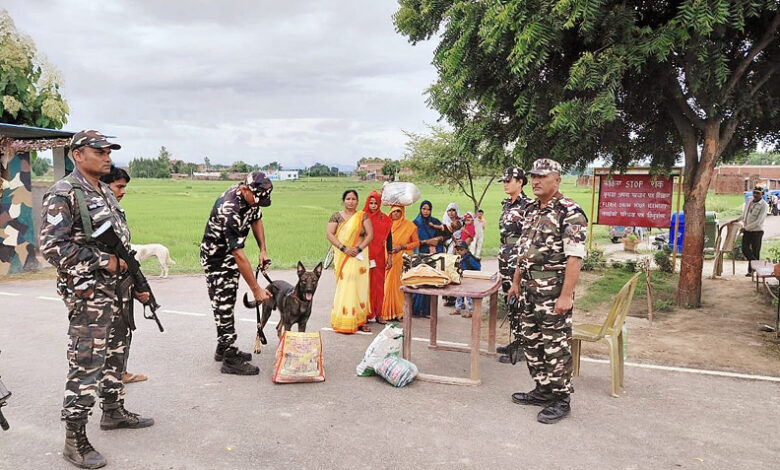
Recent incidents in border districts such as Sitamarhi have highlighted growing tensions. Reports from Sonbarsa block indicate that Nepali security personnel stopped and temporarily seized Indian vehicles near the border, triggering protests from local residents. In retaliation, people on the Indian side also blocked vehicles coming from Nepal, briefly disrupting cross-border movement.
The situation escalated to the point where the Sashastra Seema Bal had to intervene to restore normalcy. Confiscated vehicles were later released, easing immediate tensions.
New Customs Rules Impact Trade
At the heart of the issue lies Nepal’s stricter enforcement of customs regulations. Under the new provisions, goods worth more than ₹100 carried across the border are subject to customs duties ranging from 5% to 80%.
This move has significantly impacted small traders and daily commerce in border towns such as Raxaul and Jogbani. Local traders say the new rules have sharply increased costs, discouraging Nepali buyers who previously relied on Indian markets for affordable goods.
“Earlier, we had free trade-like conditions. Now, heavy duties are making business unviable,” said a trader from Motihari, expressing concern over declining sales and livelihood risks.
Economic Ripple Effects
The new regulations have begun to affect entire local economies that depend on cross-border trade. Markets in Bihar’s border districts are witnessing reduced footfall, while small businesses and daily wage workers face uncertainty.
Additionally, restrictions on fuel supply to Nepali vehicles in some areas have added to the strain. Authorities cite concerns over fuel smuggling, but the move has caused inconvenience to Nepali citizens who rely heavily on Indian fuel due to price differences.

Diplomatic and Strategic Concerns
Experts believe these developments could have broader implications for bilateral relations. The India–Nepal Treaty of 1950, which underpins free movement and trade between the two countries, is now being cited by traders who argue that unilateral restrictions could undermine its spirit.
The issue has also drawn attention from Ministry of External Affairs, which indicated that essential goods for personal use should not be obstructed, suggesting ongoing diplomatic engagement to ease tensions.
At the same time, India has introduced stricter quality checks on tea imports effective May 1, a move overseen by the Tea Board of India. While aimed at maintaining quality standards and preventing mislabeling, particularly concerning Darjeeling tea, the decision has raised concerns among Nepali exporters about potential trade disruptions.
Social Fabric Under Pressure
Beyond economics, the biggest concern remains the impact on the deep-rooted social ties between communities on both sides of the border. Families, marriages, and daily life in these regions often span across national boundaries, making the relationship far more than just economic.
Residents fear that increasing restrictions could gradually erode this unique bond, reducing centuries-old connections to formal and regulated exchanges.
Uncertain Road Ahead
While authorities on both sides have managed to control immediate tensions, the situation remains sensitive. Analysts warn that continued tightening of rules without adequate coordination could escalate friction and affect long-term relations.
The evolving scenario along the Bihar–Nepal border underscores a complex reality—where local livelihoods, national policies, and geopolitical considerations intersect. How both governments navigate this phase will be crucial in preserving not just trade, but also the deeply embedded human connections that define the border region.