Lucknow: The climate crisis is intensifying across India, with North Indian regions such as Lucknow, Delhi, and Rajasthan experiencing unprecedented April temperatures ranging between 40–43°C. What was once considered an exception is now emerging as a “new normal,” indicating a significant and sustained shift in climatic patterns.
According to data from the India Meteorological Department, maximum temperatures in April have shown a consistent rise over the past decade. This trend reflects deeper global influences, including rising sea surface temperatures and the increasing frequency of extreme weather events.

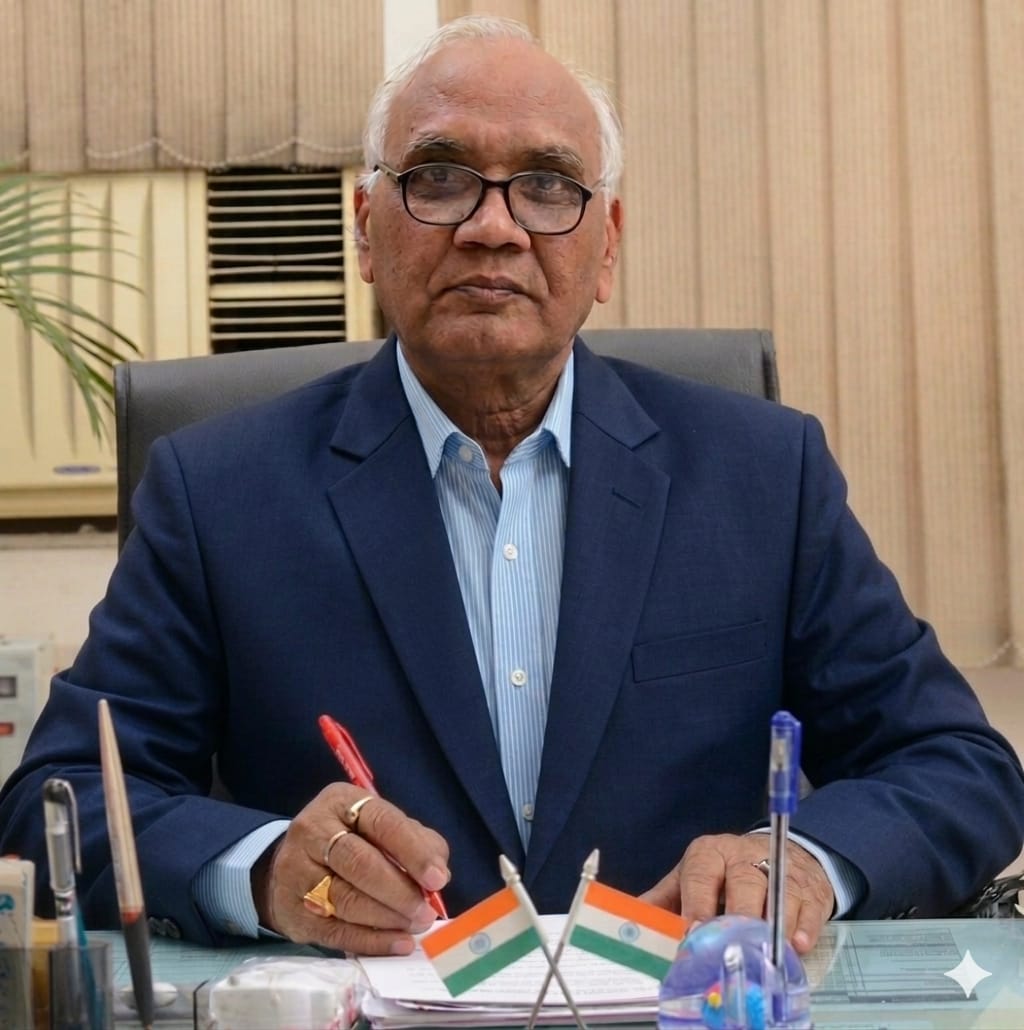
Prof. (Dr.) Bharat Raj Singh, an Environmentalist & Director General (Tech), School of Management Sciences, Lucxknow highlights that modern warfare contributes significantly to environmental degradation. Military operations, high fuel consumption, and destruction of infrastructure lead to increased carbon emissions, accelerating global warming. In addition, warming oceans are disturbing atmospheric circulation, resulting in irregular and intensified western disturbances, which trigger sudden rainfall followed by extreme heatwaves.
Urban centers are further affected by the “heat island” effect, where excessive concrete infrastructure and reduced green cover trap heat, keeping temperatures elevated even at night. This phenomenon is making cities increasingly vulnerable to heat stress and associated health risks.

If current trends continue, India may face serious challenges in the coming years, including prolonged heatwaves, water scarcity, increased energy demand, and reduced economic productivity. Experts warn that temperatures could rise further, posing a direct threat to human health and sustainability.
This analysis emphasizes the urgent need for coordinated action, including promotion of renewable energy, water conservation, afforestation, and sustainable urban planning. Public awareness and policy-level interventions are essential to mitigate the escalating impacts of climate change.