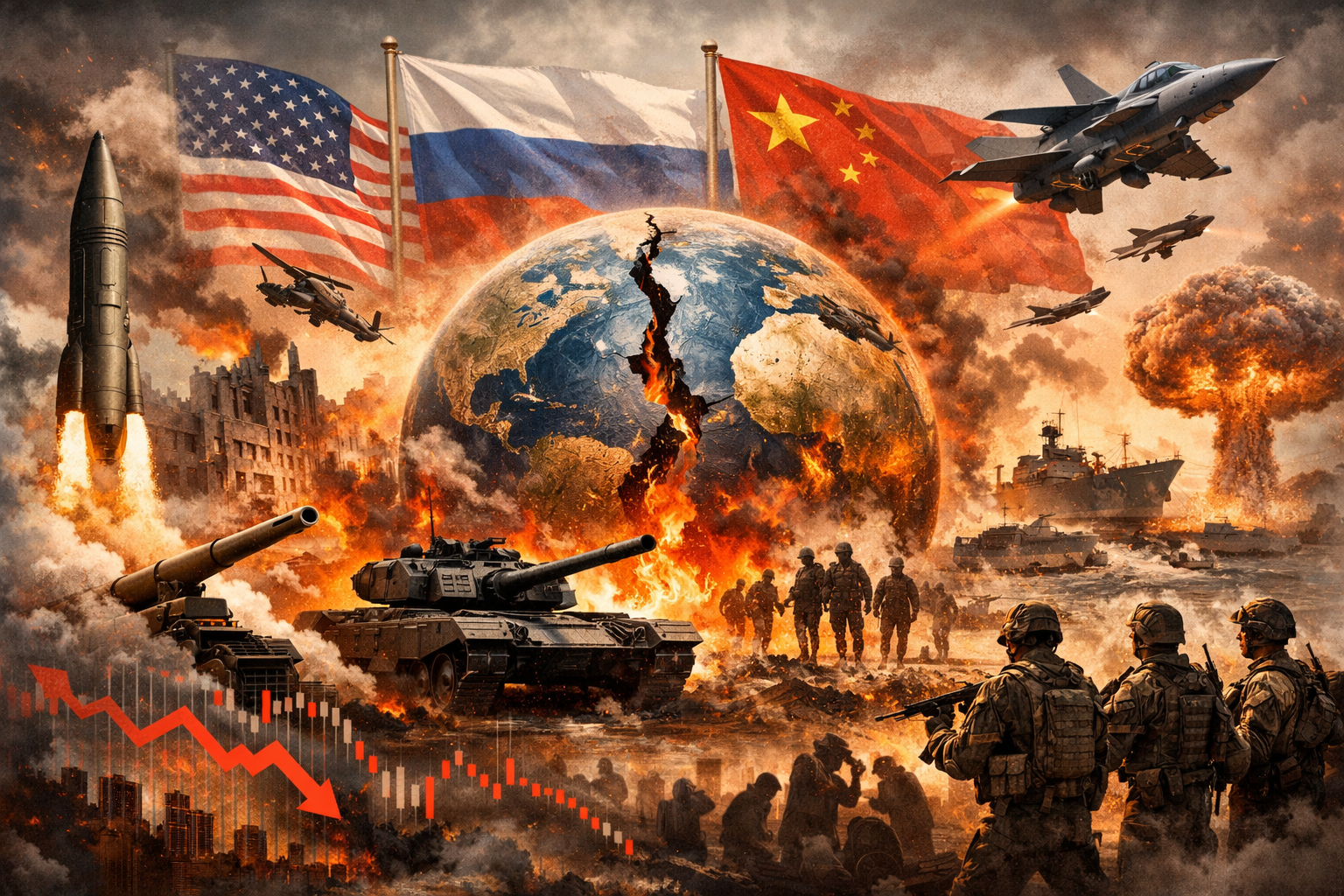
New Delhi: Amid escalating geopolitical conflicts and rising global instability, concerns are being voiced over the effectiveness of international institutions and major powers, with critics pointing to the role of the United Nations and the United States in shaping the current global crisis. In a strongly worded opinion, writer Sita Ram Sharma “Chetan” argues that institutional inefficiency, administrative inaction, and structural weaknesses in global governance systems have contributed significantly to ongoing conflicts and instability worldwide. Questions Over Effectiveness of the United Nations The critique highlights that the United Nations, originally…
Read MoreCategory: World
Bangladesh Commemorates Independence Day Amid Warnings from Former PM Hasina
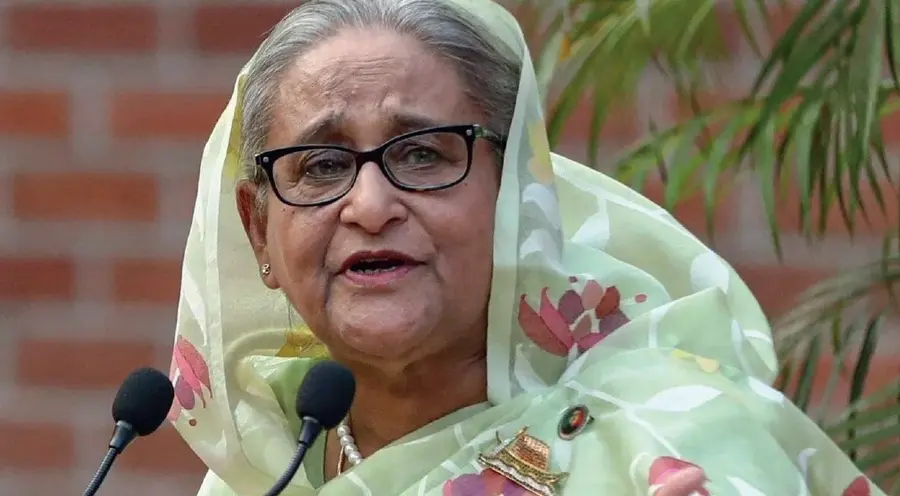
Dhaka: As Bangladesh marks its Independence Day, former Prime Minister Sheikh Hasina has voiced concerns over what she described as renewed attempts by anti-independence groups to undermine the core values established during the 1971 Liberation War. In a statement shared through the Awami League’s official channels, Hasina said the nation is navigating a crucial period. While Bangladesh has made significant progress in recent years, she warned that certain groups—allegedly influenced by both domestic and foreign actors—are working to distort the principles of independence that have guided the country since its…
Read MoreIran Considers Toll for Ships Passing Through Strategic Strait of Hormuz
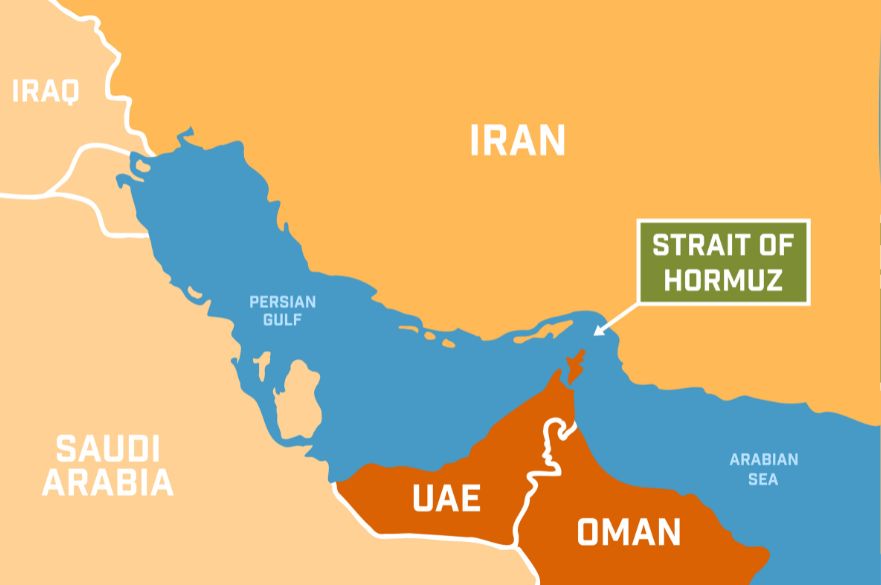
Tehran: Iran is reportedly preparing a draft bill that would require vessels to pay a fee for secure passage through the Strait of Hormuz, one of the world’s most critical energy chokepoints. The proposed legislation is aimed at formally asserting Iran’s sovereignty and control over the waterway while generating additional revenue for the country. According to semi-official reports, the bill is expected to be finalized next week, marking a legal codification of Iran’s authority over the strait, which connects major Persian Gulf oil and gas producers to global markets. A…
Read MoreIranian Navy Chief Alireza Tangsiri Killed in Strike on Strait of Hormuz
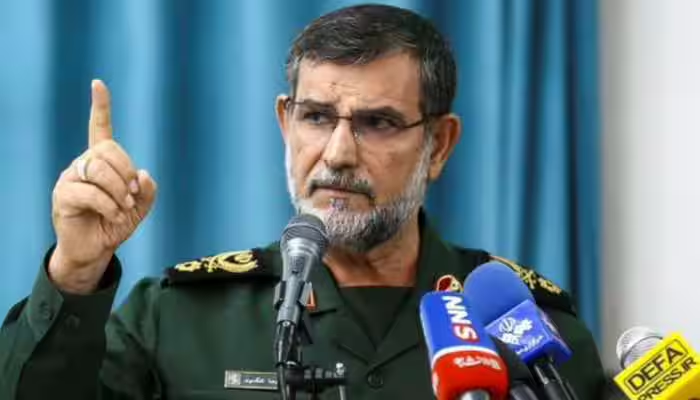
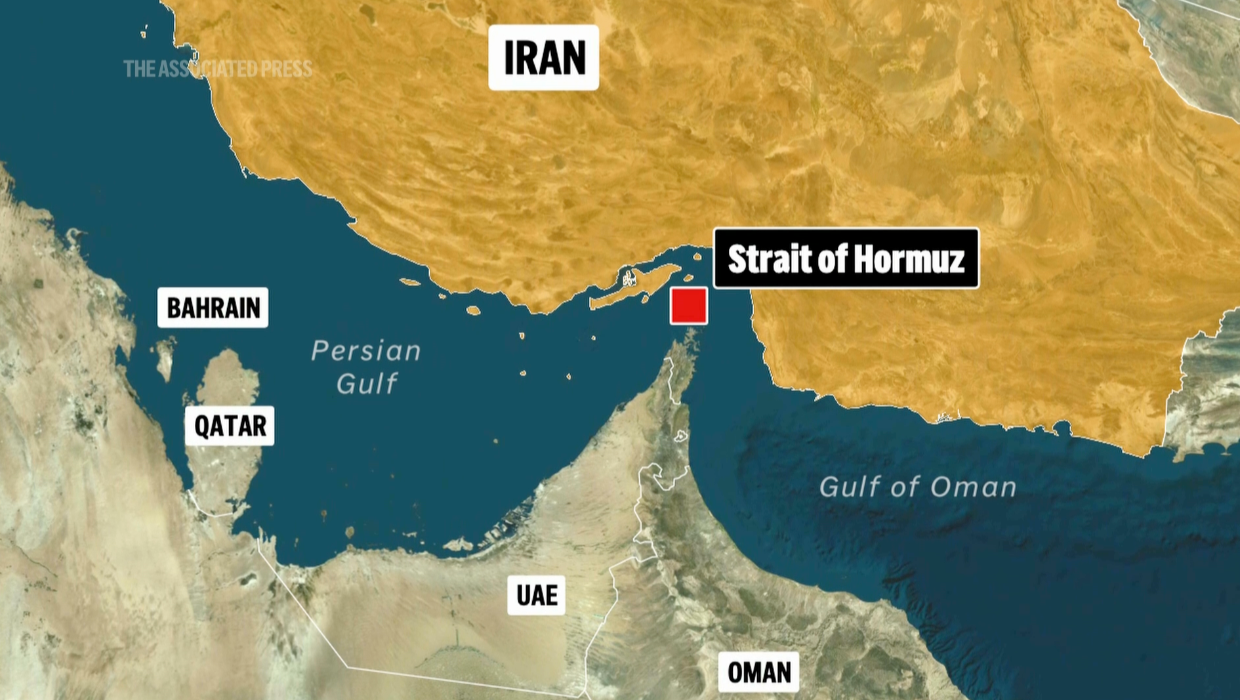
Tehran: In a significant escalation in the ongoing US-Iran tensions, Alireza Tangsiri, the commander of Iran’s Islamic Revolutionary Guard Corps (IRGC) Navy, has reportedly been killed in a strike in the Strait of Hormuz, a critical maritime chokepoint. Details of the strike, including its perpetrators and full circumstances, remain unconfirmed. Tangsiri, appointed IRGC Navy chief in August 2018 by Iran’s then-Supreme Leader Ayatollah Khamenei, was a key figure in regulating operations through the strategic strait and had overseen strikes against US naval assets, including the USS Abraham Lincoln. He also…
Read MoreRising Tensions in Hormuz Pose Threat to Global Internet Flow
Tehran/ Tel Aviv: As global power dynamics evolve, influence is no longer defined solely by military might or economic strength. Increasingly, control over digital infrastructure and data has become a key element of geopolitical strategy. Amid growing unrest in West Asia, experts are now asking a pressing question: could Iran create conditions that disrupt the world’s internet network? This is not mere speculation. Following 22 days of conflict, the Strait of Hormuz—a critical channel for global oil trade—has come under scrutiny, not just for energy security but also for its…
Read MoreThe Battle for Control of the Strait of Hormuz Raises Global Alarm
New Delhi: The Strait of Hormuz, a narrow but strategically vital waterway connecting the Persian Gulf to open seas, has become the center of a potential global crisis. Approximately a quarter of the world’s oil and gas shipments pass through this chokepoint, making any attempt to impose fees or restrictions a significant international concern. Iran’s proposal to levy charges on vessels passing through the strait has sparked widespread debate. While Tehran justifies the move as a measure to ensure maritime security, international law—specifically the United Nations Convention on the Law…
Read MoreIntensifying Arms Race Threatens Global Stability, Experts Warn
New Delhi: The accelerating arms race and the resulting instability in the global order are emerging as some of the greatest challenges facing humanity today. Conflicts are no longer limited to borders—they increasingly impact the global economy, energy security, environment, food supply, and social stability. Rising tensions in West Asia, renewed attacks between Iran and Israel, the ongoing Russia-Ukraine war, and China-Taiwan disputes signal a return to power-driven arms escalation and geopolitical rivalry. Experts note that as countries continue to increase military spending, funds for development, education, healthcare, and environmental…
Read MoreIran Sets Conditions for Ceasefire as War Tensions with US Escalate; April 9 Deadline Speculated
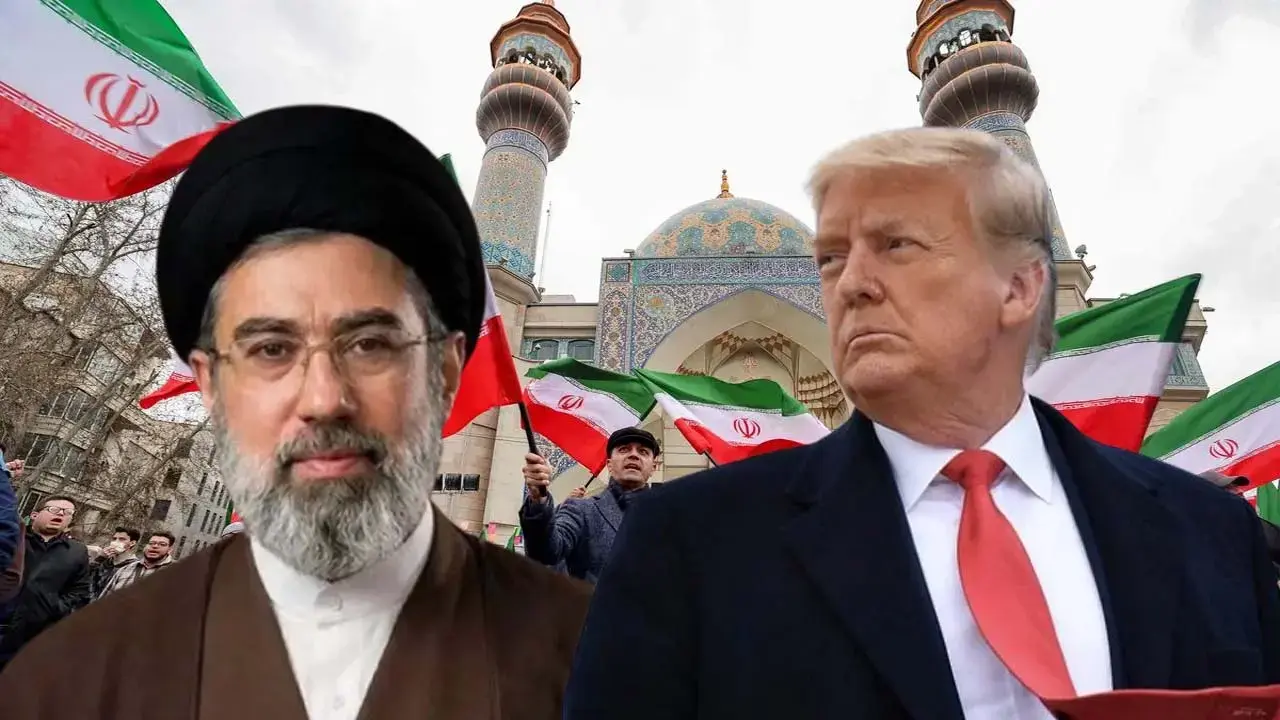
Washington/Tehran: Fresh geopolitical tensions between Iran and the United States have taken a new turn, with conflicting claims over possible ceasefire talks and mounting speculation that the ongoing conflict could end by April 9. US President Donald Trump has asserted that Iran is willing to end the conflict and that “productive discussions” are underway with senior Iranian leadership. However, Tehran has firmly denied these claims, calling them misleading and accusing Washington of attempting to manipulate global markets through such statements. Iran’s Two Key Conditions Iran has indicated that it is…
Read MoreUS Lawmaker Pushes Resolution to Recognize 1971 ‘Operation Searchlight’ as Genocide
Washington: A growing call in the United States seeks official recognition of atrocities committed during Pakistan’s 1971 “Operation Searchlight” as genocide. Democratic Congressman Greg Landsman of Ohio introduced a resolution in the House of Representatives urging that the Pakistani military and allied groups, including Jamaat-e-Islami, be held accountable for the mass killings of Bengali Hindus on March 25, 1971. The resolution has been referred to the House Foreign Affairs Committee for review. The proposal highlights that on the night of March 25, 1971, the Pakistani Army arrested Sheikh Mujibur Rahman…
Read MorePakistan Tops Global Terrorism Index, Declared World’s Most Terrorism-Affected Country
Islamabad: Pakistan has been ranked as the most terrorism-affected country in the world for the first time, according to the Global Terrorism Index published by the Institute for Economics and Peace. The 2025 report shows a 6% increase in terrorism-related deaths, reaching 1,139—the highest since 2013. A total of 1,045 terrorist incidents were recorded, marking the sixth consecutive year of rising fatalities. Pakistan scored 8.574, surpassing Burkina Faso to take the top spot. The report highlights that nearly 70% of global terrorism deaths occurred in just five countries: Pakistan, Burkina…
Read More