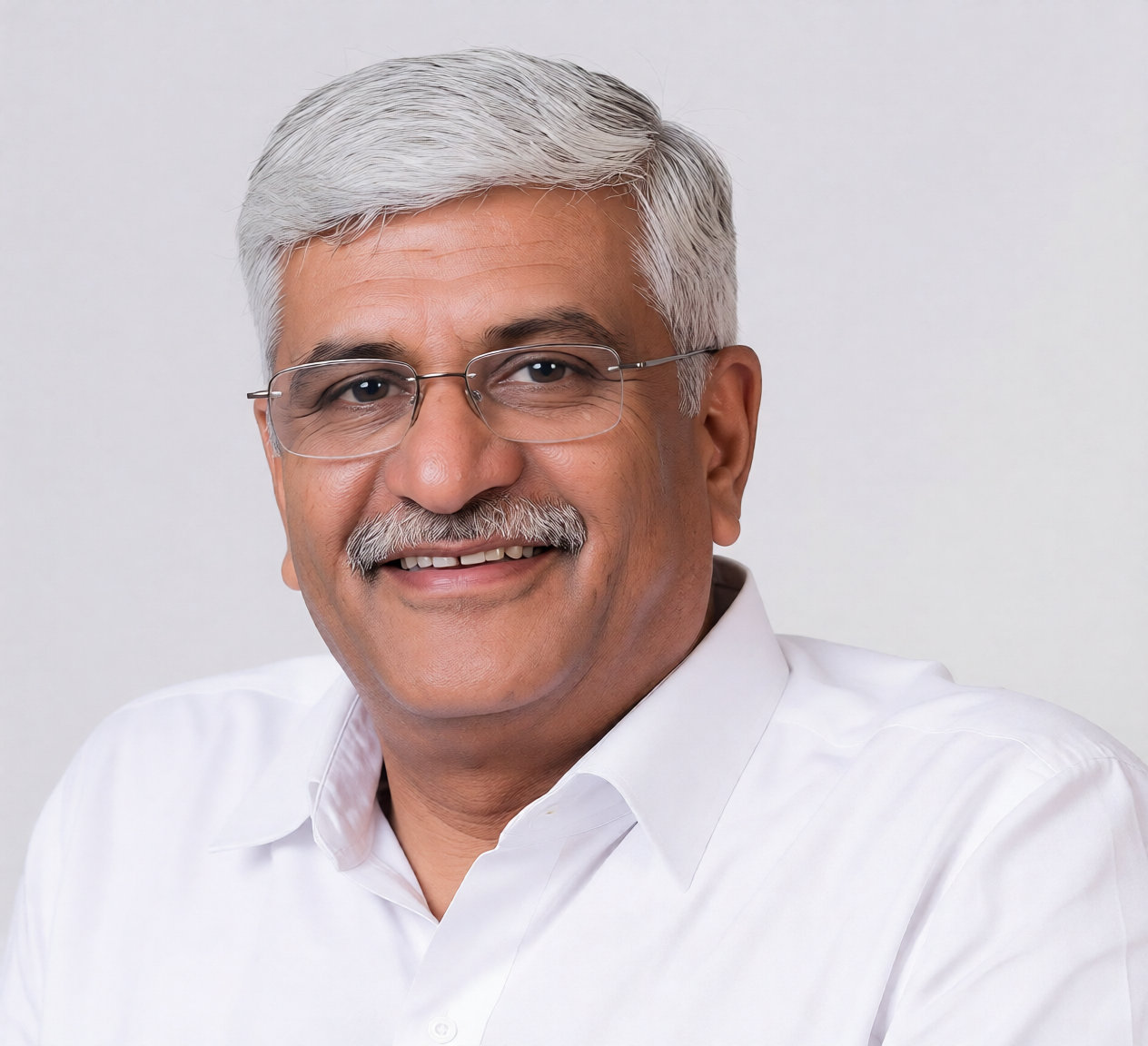
New Delhi: India’s next major leap in tourism must be driven by partnerships among the government, industry, technology companies, investors, creative professionals and local communities, Union Minister for Culture and Tourism Gajendra Singh Shekhawat has said, emphasising that the country must move beyond promoting destinations to creating immersive and inclusive travel experiences.
In an article outlining his vision for the sector, Shekhawat said India possessed an extraordinary cultural and natural heritage, ranging from ancient cities, living traditions and sacred landscapes to wildlife, architecture, crafts, cuisine, mountains and beaches. However, he argued that heritage alone could not make a destination successful. Roads, transport, hospitality, technology, storytelling and community participation were equally essential to building a sustainable tourism ecosystem.

He called for a shift from the traditional top-down model of tourism development towards a collaborative approach in which governments, businesses, technology platforms, state administrations, local bodies and communities jointly shape the visitor experience.
According to the minister, modern travellers increasingly seek meaningful experiences rather than sightseeing alone. They want to explore local food, understand traditions, meet artisans, visit homes and participate in the cultural life of the places they visit. This shift, he said, presents India with a significant opportunity, provided the various stakeholders work in coordination.
Shekhawat highlighted the Tourism Ministry’s growing engagement with industry, noting that 11 strategic memorandums of understanding had been finalised, five of which were exchanged on World Tourism Day 2026. These partnerships seek to bring together capabilities in technology, mobility, hospitality, content creation, digital outreach and local enterprise.
He cited collaboration with Netflix as an example of how films and streaming platforms can introduce Indian culture, wildlife and mountain landscapes to international audiences. Promotional initiatives showcasing Indian cuisine at ITB Berlin 2026 and campaigns in London and New York, he said, demonstrate the growing importance of storytelling in destination marketing.
The minister also highlighted the Varanasi Priceless initiative developed in partnership with Mastercard. The project seeks to offer bookable experiences that go beyond conventional sightseeing, including sunrise on the Ganga, classical music, literary conversations, encounters with Banarasi weaving communities and visits to heritage sites. Such initiatives, he said, can present Varanasi as a living civilisation rather than merely a photographic landmark.
Connectivity is another key component of the strategy. Partnerships with Alliance Air, Air India and IndiGo aim to expand the reach of the Incredible India brand across travel networks, digital platforms and international markets.
Shekhawat also pointed to the potential of data-driven tourism planning through collaboration with Google India. Efforts involving capacity building, global travel demand and visitor behaviour could help policymakers better understand emerging preferences and make evidence-based decisions.

Emphasising inclusive growth, the minister said villages and lesser-known destinations must receive greater attention in tourism planning. Homestay operators, artisans, women entrepreneurs and local businesses should have opportunities to benefit alongside large hospitality companies.
Partnerships involving Airbnb, Soul of India and MakeMyTrip seek to support this objective by strengthening the digital capabilities of homestay hosts, increasing the visibility of lesser-known destinations and connecting rural locations with content creators and bookable accommodation.
He stressed that the success of tourism should not be measured solely by visitor numbers. Policymakers must also consider whether artisans earn more, young people find local employment, women entrepreneurs gain access to markets and communities receive incentives to protect their cultural and natural heritage.
Highlighting community-led heritage tourism in the Himalayas, Shekhawat said documenting oral traditions, crafts and local knowledge could help tourism support conservation rather than undermine it.
The minister cautioned that signing agreements was only the beginning. Genuine partnerships must translate into viable tourism products, visitor arrivals, local income and stronger community ownership of development. Industry associations, travel businesses, state governments and local institutions all have important roles in turning aspirations into tangible outcomes.
Concluding his vision, Shekhawat said India needed not merely more tourists but a stronger tourism ecosystem in which public investment created the foundation, private investment expanded opportunities and community participation ensured that growth remained inclusive.
India’s competitive advantage, he argued, would depend not only on the grandeur of its destinations but also on its ability to bring together the people and institutions that sustain its civilisational heritage and transform it into meaningful experiences for visitors.
The author is Union Minister for Culture and Tourism.