Bareilly: Mahatma Jyotiba Phule Rohilkhand University is preparing to give its historic Media Lab and Media Centre a new identity by equipping them with modern technology, digital resources and industry-oriented practical training facilities.
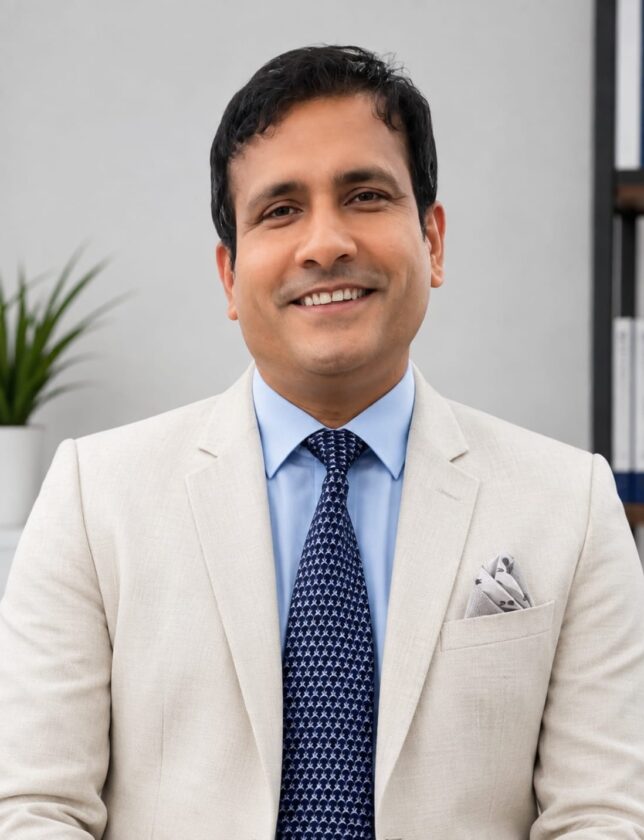
Newly appointed Vice-Chancellor Prof. Anil Kumar Rai recently inspected the Media Centre and reviewed the existing studio, laboratory and other resources. During the visit, he discussed with officials and faculty members ways to strengthen technology-based training for students of journalism and mass communication.

Prof. Rai emphasised that journalism education can no longer remain confined to classroom-based theoretical learning. Students, he said, need hands-on exposure to modern equipment and real-world production environments to prepare them for the rapidly changing media industry.
Under the proposed plan, the Media Centre will be equipped with modern camera systems, digital video recording and editing facilities. Students will receive practical training in video and news production, camera operations, video editing, graphics, audio production and digital content creation. The initiative is expected to help bridge the gap between classroom theory and practical studio and production work.
A modern podcast studio is also being planned in view of the growing influence of digital media. The facility is expected to include high-quality microphones, audio recording systems and digital production equipment, enabling students to produce podcasts, interviews, discussions and other audio programmes.
The upgraded Media Centre will also focus on multimedia skills, with video, audio, photography, graphics, social media content, mobile journalism and digital storytelling proposed as key components of practical training. Workshops and hands-on sessions by media professionals will give students an opportunity to understand newsroom operations as well as digital content production.

The initiative aims to make journalism education at the university more practical, employment-oriented and industry-ready. Along with reporting and news writing, students will be able to develop multidisciplinary skills in camera handling, editing, audio-video production, social media and digital platforms, potentially expanding opportunities for employment and entrepreneurship.
The university administration is also exploring ways to develop the Media Centre as a hub for research and innovation. Experimental work in areas such as digital journalism, artificial intelligence and fact-checking could form part of the proposed facilities.
Once implemented, the initiative could give journalism education at Rohilkhand University a significant boost and strengthen collaboration between the university and the media industry, while creating a modern training ecosystem for aspiring media professionals across the Rohilkhand region.
Report: Akhilesh Chandra Saxena, Bareilly







 ---------------------------------------------------------------------------------------------------