Gurugram: In the glittering sprawl of Gurugram, where glass-and-steel towers pierce the Haryana sky and IT professionals chase relentless corporate deadlines, a quieter cultural revolution hums beneath the surface. Jazz—once a niche luxury associated with smoky New York basements or colonial-era Bombay ballrooms—has found an unlikely, thriving home in Delhi National Capital Region’s premier satellite city. What began as sporadic performances in sterile hotel lounges has blossomed into a vibrant, dedicated circuit anchored by world-class venues, recurring music festivals, and a rapidly growing community of musicians and aficionados. Gurugram is no longer just a destination for corporate headquarters and high-rise apartments; it is emerging as a critical node in North India’s live music ecosystem.
This transformation speaks to a shift in how the city spends its leisure time. For years, Gurugram’s nightlife was synonymous with cavernous microbreweries and thumping electronic dance music. While those venues still dominate the weekend landscape, a growing demographic of residents is seeking something more intimate, cerebral, and authentic. The rise of jazz in the city reflects a maturing urban culture, where the pursuit of financial success is being balanced by a desire for sophisticated artistic expression.

From Delhi’s Shadow to Gurugram’s Spotlight
Delhi has long held a respectable, if conservative, jazz presence. Institutions like the India International Centre and legacy hotel bars hosted occasional gigs for visiting diplomats and older elites. Yet the capital’s sprawling geography, punitive commercial rents, and shifting nightlife regulations made running dedicated, independent music spaces notoriously challenging. Gurugram, with its affluent residential pockets, bustling corporate hubs like DLF Cyber Hub, and a younger, cosmopolitan crowd, offered far more fertile ground. Its proximity to Delhi allows for constant artistic cross-pollination while letting the satellite city carve out its own distinct nightlife identity.
The turning point for the local scene came with the strategic expansion of The Piano Man Jazz Club. Founded in 2015 by classically trained pianist and entrepreneur Arjun Sagar Gupta in Delhi’s Safdarjung Enclave, the club quickly earned a legendary reputation for serious jazz programming, brilliant acoustics, and a strictly enforced culture of respectful listening. The runaway success of the original venue led to the creation of a massive Gurugram outpost at 32nd Avenue in Sector 15, a purpose-built space designed specifically for musical intimacy.
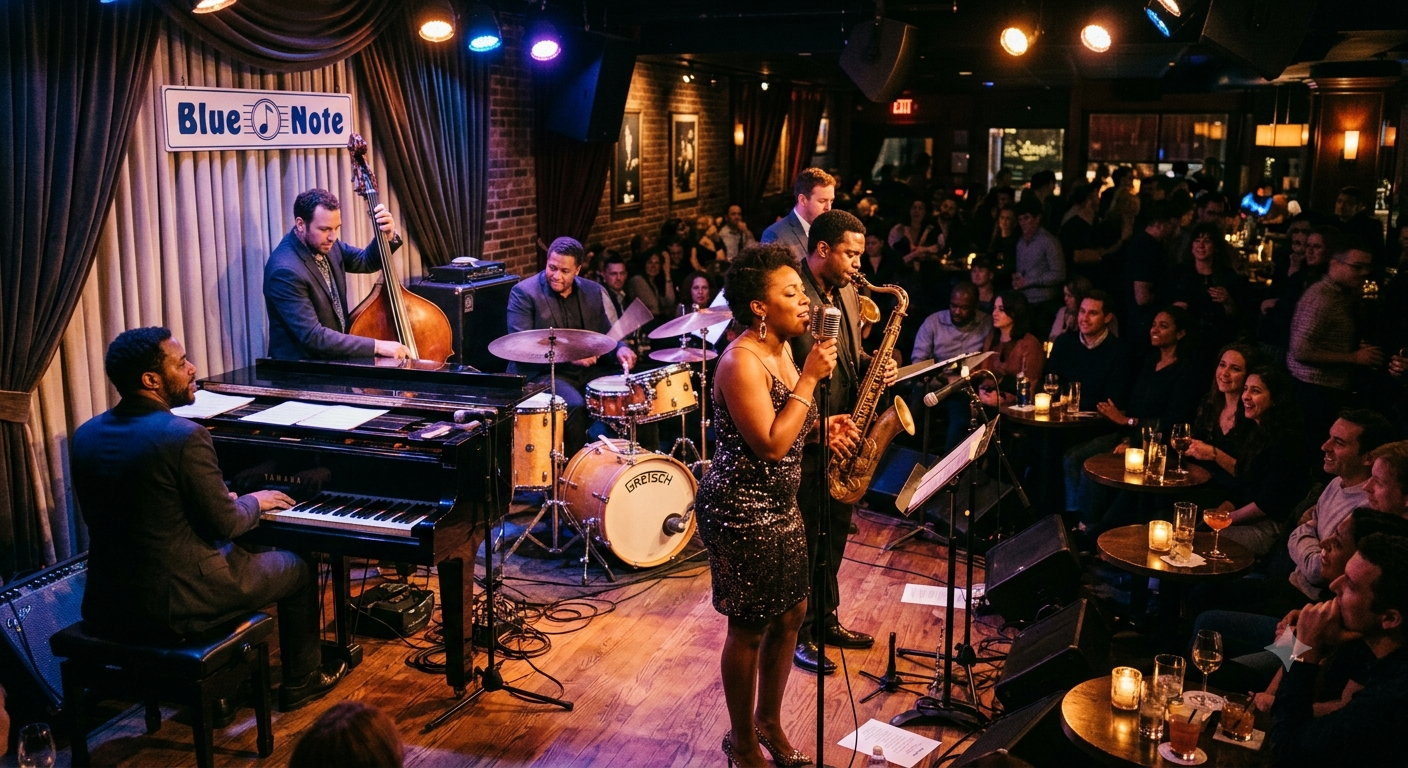
The venue’s oval-shaped layout wraps the audience close to the stage, creating the kind of cozy, interactive atmosphere that jazz demands. State-of-the-art sound systems ensure that every sonic nuance—the subtle brushwork on a snare drum, breathy saxophone phrases, or intricate, cascading piano improvisations—comes through with absolute clarity. This is explicitly not background music for casual dining; it is foreground art that demands attention. The venue hosts a relentless mix of local talent, fusion projects, and international acts, blending straight-ahead jazz with blues, funk, and world music influences. The programming is deep and ambitious, turning what was once a transient trend into a permanent cultural fixture.
Hidden Gems and Speakeasy Vibes
Complementing the big-stage energy of major clubs are the intimate, independent venues that provide the circuit with its grit and character. Chief among these is Cocktails & Dreams Speakeasy in Sector 15. Tucked away in a commercial market, this venue channels 1920s Prohibition-era aesthetics with its dim lighting, plush leather seating, and a distinct sense of underground discovery. Established by industry veterans Yangdup Lama and Minakshi Singh, it has built a fiercely loyal following for its weekly jazz nights, live roots bands, and a dedicated crowd that comes as much for the music as they do for the meticulously crafted cocktails. Its cozy feel and focus on jazz, soul, and funk make it a perfect counterpoint to the larger venues in the city.
Other spots across the city add upscale options to the expanding map. Premium spaces like the Rubicon Bar and Cigar Lounge at The Leela Ambience offer sophisticated settings for live jazz quartets, while high-end member clubs like The Quorum keep the scene dynamic with exclusive pop-up performances and curated musical evenings. Gurugram’s massive corporate and expatriate population provides a steady, reliable audience that appreciates this level of sophistication, choosing the nuanced rhythms of a live trio over the chaotic noise of standard club scenes.
Scaling the Scene with Regional Circuits
The most visible accelerator of Gurugram’s jazz moment is the Jazz India Circuit. Launched as a multi-city celebration of contemporary jazz, the Circuit tours world-class acts across Goa, Hyderabad, Mumbai, Bengaluru, Delhi, and crucially, Gurugram. High-profile events at massive commercial complexes like One Horizon Plaza have brought open-air jazz experiences directly to the steps of the city’s corporate elite, drawing large crowds under the stars for soulful solos and high-energy ensembles.

These large-scale events do more than merely entertain; they build crucial cultural infrastructure. By bringing in international artists, the Circuit raises the bar for local sound engineering, professional artist management, and cross-city collaborations that elevate Indian jazz musicians on a global stage. For Gurugram, hosting major editions of the Jazz India Circuit puts the city firmly on the national arts map, attracting music lovers from Delhi and neighboring states while giving local players invaluable exposure to global performance standards.
The Talent Pipeline and Cultural Fusion
India’s relationship with jazz has deep historical roots, tracing back to the 1920s in colonial Bombay and Calcutta, where African-American musicians performed long-term residencies and local Goan and Anglo-Indian bands brilliantly adapted the swing sound. Post-independence, the genre’s popularity ebbed and flowed, but the economic liberalization of the 1990s and 2000s brought a fresh wave of global influences and music education. Today’s Delhi NCR scene benefits from a highly trained generation of musicians—many coming from classical or rock backgrounds—who find jazz’s improvisational freedom incredibly liberating.
Gurugram’s circuit showcases these contemporary Indian artists reinterpreting classic standards alongside original compositions that weave in Hindustani ragas, Carnatic rhythms, or regional folk melodies. This Indo-jazz fusion is far from gimmicky; it feels entirely organic in a city where global professionals rub shoulders with deep cultural traditions daily. Venues across the NCR have hosted thousands of acts, acts that actively nurture both emerging talent and the audiences required to sustain them.
Despite the current momentum, significant challenges remain. The economics of running live music venues in India can be incredibly tough, characterized by high real estate costs, complex bureaucratic licensing hurdles, and fierce competition from mainstream, DJ-driven nightlife. Yet, the continued survival and expansion of these dedicated spaces prove that there is a sustainable demand for quality over volume. A younger generation of listeners, exposed to global sounds via digital streaming or international travel, is actively seeking out these authentic, human experiences. The implementation of strict listening policies and an emphasis on attentive crowds are clear signals of a maturing, serious cultural scene.
A Bustling Swinging Metropolis
Gurugram’s jazz circuit is still evolving, but its momentum is undeniable. The powerful combination of professional corporate infrastructure, intimate speakeasy alternatives, and touring festival platforms creates a self-reinforcing ecosystem. As more international artists include India on their global tours and local talent gains confidence, the musical depth of the city will only continue to improve.
For Delhi NCR residents tired of generic, predictable nightlife, Gurugram now offers an alternative that is sophisticated, soul-nourishing, and surprisingly accessible. Whether you are a seasoned jazz enthusiast or a curious newcomer looking to escape the daily grind, the city’s emerging circuit promises genuine musical discovery. In a metropolis defined by the corporate hustle, these venues have carved out a crucial, sacred space for improvisation, human connection, and pure musical joy. The horns are warming up, the bass lines are walking, and Gurugram is listening.