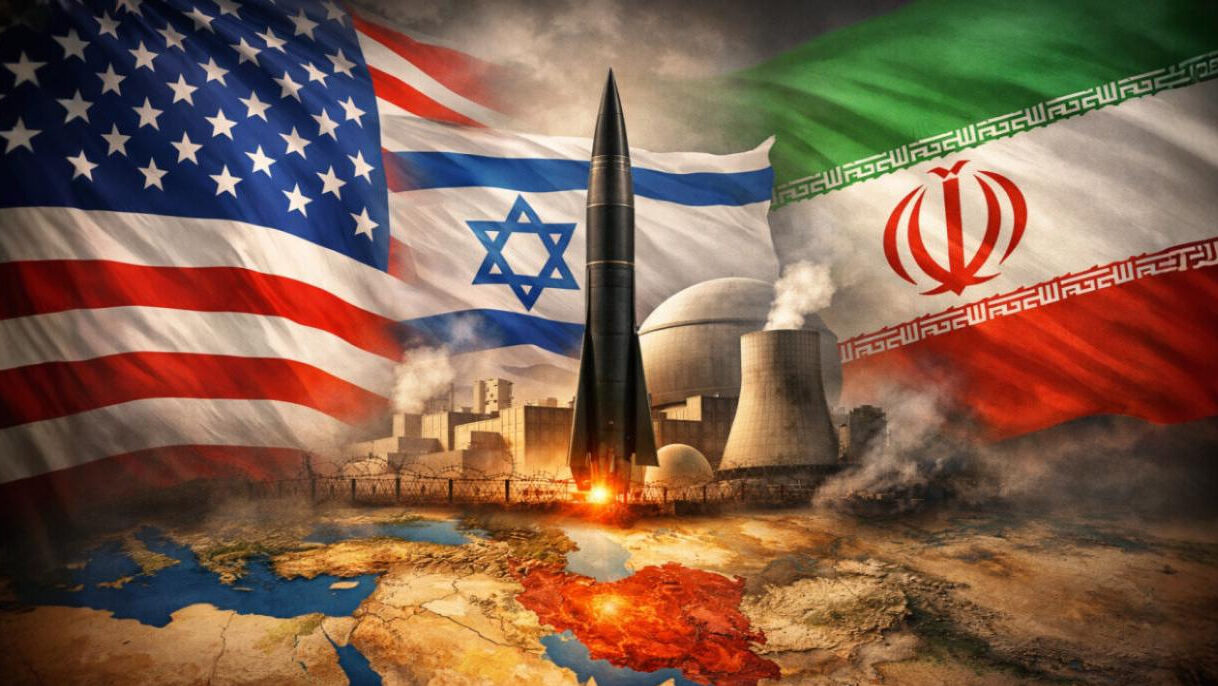
New Delhi: Amid prolonged geopolitical strain that has weighed heavily on global markets, energy supply chains, and international diplomacy, reports of a potential understanding between the United States and Iran are being viewed as a significant relief by the global community. While the details and durability of any such agreement remain subject to implementation and ground realities, early reactions from financial and strategic circles suggest cautious optimism for a return toward stability.
Global significance of easing US–Iran tensions
Tensions between Washington and Tehran have long extended far beyond bilateral relations, influencing energy markets, maritime security, and global trade flows. The Gulf region, a critical hub for global oil supply and shipping routes, has remained particularly sensitive to any escalation.

A reduction in hostilities is expected to ease pressure across multiple sectors. One of the most immediate potential impacts lies in global supply chains. Reduced maritime risk could streamline shipping routes, lower insurance costs, and improve the efficiency of international trade logistics.
Energy markets are also expected to respond positively. A decline in uncertainty around oil supply could contribute to greater price stability in crude oil, with ripple effects across global inflation trends and economic planning in both developed and emerging economies.
Why this development matters for India
For India, which imports a significant portion of its energy requirements, stability in the Gulf region carries direct economic implications. Any sustained easing of tensions could influence inflation, fiscal balance, and currency stability.
1. Relief on oil prices and inflation
If global crude oil prices stabilize or ease, India’s import bill could come under reduced pressure. This may help soften transportation costs and gradually ease prices of essential goods, offering broader relief to household budgets.
2. Boost in investor confidence and equity markets
Geopolitical uncertainty often leads to risk aversion among global investors. A calmer international environment could help restore foreign investor confidence, potentially reducing volatility in Indian equity markets and supporting sustained inflows.

3. Reduced pressure on the Indian rupee
Lower oil import costs typically translate into reduced demand for foreign exchange. This could help stabilize the Indian rupee and improve overall macroeconomic resilience, particularly in volatile global conditions.
How quickly can normalcy return?
Financial markets tend to react almost immediately to geopolitical developments, meaning short-term effects could be visible within days or weeks. However, broader normalization is likely to take longer.
Shipping insurance rates, maritime operations, energy supply adjustments, and trade logistics typically require several weeks to stabilize even after tensions ease. Additionally, any formal lifting or modification of sanctions would involve a phased diplomatic and regulatory process.
Beyond an agreement: rebuilding trust is key
Experts caution that the success of any US–Iran understanding cannot be measured solely by its announcement. The real test lies in sustained compliance, regional stability, and the rebuilding of international trust.
If implemented effectively, the impact of such a development could extend well beyond the Middle East, influencing global economic stability, energy security, and long-term investment sentiment worldwide.