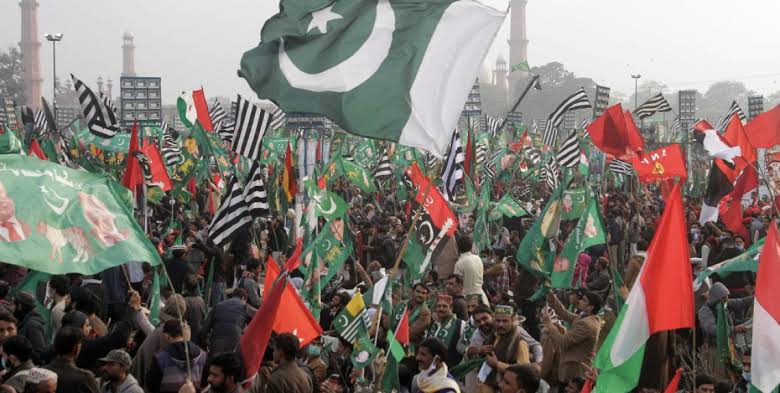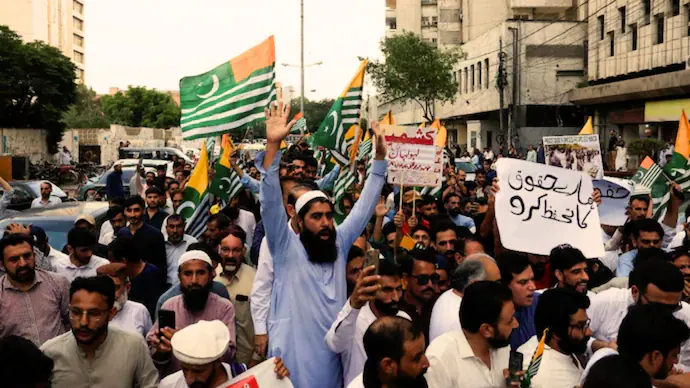
New Delhi: Widespread protests have erupted across Pakistan-occupied Kashmir (PoK), with thousands of residents taking to the streets against rising inflation, high electricity tariffs, and what they describe as denial of basic rights. Demonstrators were seen raising “Azadi” slogans and demanding greater political and economic freedoms, while accusing the administration and security forces of heavy-handed tactics.
The unrest has spread across multiple towns, including Muzaffarabad, Rawalakot, Kotli and Bhimber, where shutdowns brought daily life to a standstill. Markets, shops and businesses remained closed as protestors continued sit-ins and rallies throughout the region.

Clashes and allegations of force
According to local reports and viral videos circulating on social media, clashes have taken place between protesters and security forces in several areas. Demonstrators allege the use of tear gas, pellet guns and live fire to disperse crowds, leaving multiple people injured. Some unverified reports have also claimed fatalities, though official confirmation remains unavailable.
Footage from Rawalakot and other areas has triggered widespread reaction online, with activists calling for international attention to the situation and accountability for alleged rights violations.
Economic grievances at the core
A major focus of the protests is the rising cost of essential commodities, including flour, rice, and pulses, along with high electricity bills. Protesters argue that large hydropower projects in the region, including Mangla Dam, generate significant electricity, yet locals continue to face high tariffs and shortages.
Demonstrators are demanding reduced electricity prices and fairer distribution of resources, claiming that the region’s natural assets are being exploited without adequate benefit to the local population.
Political demands and disputed seats
Alongside economic concerns, protesters are also raising political demands, including the abolition of 12 reserved seats in the PoK Legislative Assembly allocated to refugees. Protesters argue that these seats distort local representation and are used to influence the political structure of the region.

They have also accused political and security institutions of exerting influence over electoral outcomes in the region, allegations that remain strongly disputed and unverified.
Security situation and shutdowns
Reports indicate that internet services have been disrupted in some areas, while heavy security deployments remain in place. Authorities have not released detailed statements on casualties or the scale of enforcement measures.
In several locations, including Dadyal and Sudhnoti, protests continued despite restrictions, with participants vowing to intensify their movement until demands are addressed.
Broader implications
Human rights groups have expressed concern over the reported use of force and restrictions on communication, urging restraint and dialogue. The situation has also drawn international attention, with calls for independent monitoring of developments in the region.
Analysts note that the unrest reflects long-standing economic and political grievances in PoK, which periodically erupt into large-scale protests when conditions worsen.
As tensions continue, the situation remains volatile, with both authorities and protest leaders maintaining firm positions and no immediate signs of resolution.