Tehran: The United States has announced a fresh round of sanctions targeting what it describes as a sophisticated international network involved in the movement of Iranian-origin liquefied petroleum gas (LPG), allegedly disguised to conceal its true source from global buyers.
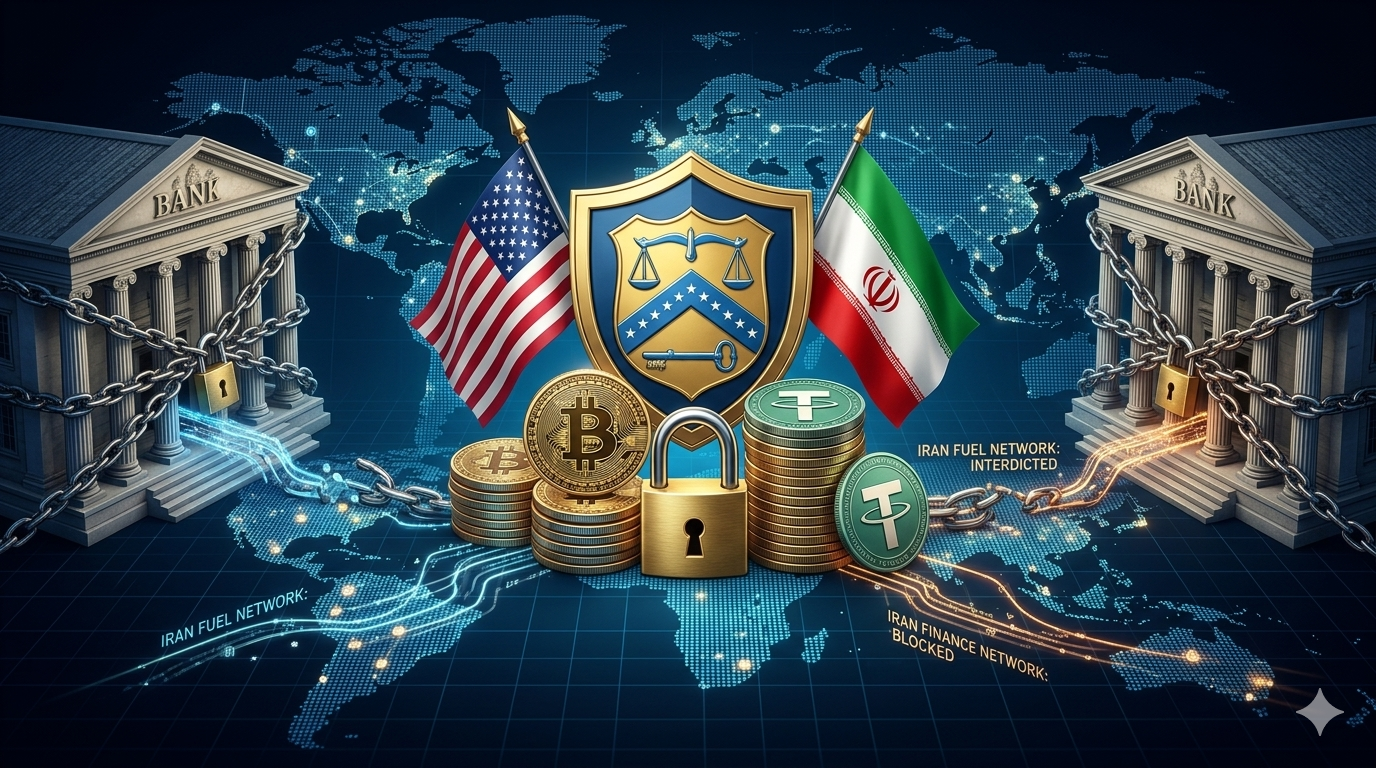
According to the US Department of the Treasury’s Office of Foreign Assets Control (OFAC), the network facilitated the shipment of hundreds of millions of dollars’ worth of LPG by falsely labeling it as originating from Oman. Authorities claim the operation involved multiple individuals, companies, and vessels connected to Iran’s wider “shadow fleet,” used to bypass international sanctions.

Complex Network Across Multiple Jurisdictions
US officials stated that the alleged scheme relied on a layered structure of front companies based in the United Arab Emirates and China, supported by intermediary financial channels and shipping operators. These entities, according to OFAC, enabled the transport of large volumes of petroleum products while obscuring their Iranian origin.
The Treasury Department said the objective of the sanctions is to disrupt financial and logistical systems that allow Iran to generate revenue through international trade despite existing restrictions.
Continued US Pressure on Tehran
US Treasury Secretary Scott Bessent reaffirmed Washington’s commitment to intensifying economic pressure on Iran. He stated that Iran’s economy has already been significantly weakened and emphasized that the United States would continue efforts to dismantle networks involved in sanction evasion.
Echoing this stance, State Department spokesperson Tommy Pigott said the administration remains focused on preventing entities from assisting Iran in accessing global markets through illicit trade practices, particularly in the energy sector.
Financial Institutions Also Targeted
In addition to energy-related entities, OFAC imposed sanctions on Iranian exchange house Mehrdad Geramian Nik and Partners Company, along with several of its senior officials. US authorities allege the firm processed large-scale foreign currency transactions on behalf of Iranian banks already under sanctions, facilitating access to international financial systems.
Officials argue that Iran’s foreign exchange network heavily depends on brokers and intermediary firms that use shell companies and overseas accounts to obscure financial links to the country. These mechanisms, they say, allow billions of dollars in transactions to move through global markets despite restrictions.

Broader Strategy Against Sanctions Evasion
The Treasury Department noted that Iranian exchange houses collectively handle billions of dollars in foreign currency operations annually. US officials contend that such systems play a critical role in sustaining Iran’s international trade and supporting state-linked economic activities.
Recent enforcement actions have increasingly targeted financial intermediaries believed to be enabling Iran’s access to global banking networks. The aim, according to US officials, is to limit Tehran’s ability to transfer and utilize revenue generated from energy exports and related industries.
Focus on Energy Revenues
US authorities continue to identify petroleum and petrochemical exports as key sources of income for the Iranian government. The latest sanctions, imposed under Executive Order 13902, are designed to restrict Iran’s ability to sell and distribute energy products in global markets.
Officials said the measures form part of a broader strategy to tighten restrictions on Iran’s trade channels and financial infrastructure, particularly those linked to oil and gas revenues.
Warning to International Partners
Washington also issued a warning to foreign companies, shipping operators, and financial institutions, cautioning that any involvement in facilitating prohibited Iranian transactions could result in secondary sanctions.
The administration said it remains prepared to take further action against entities found assisting Iran’s sanctioned sectors, including through traditional trade routes as well as emerging digital or alternative financial systems.
US officials added that ongoing monitoring and enforcement efforts will continue as part of a sustained campaign to curb sanction evasion and limit Iran’s access to international financial and energy markets.